Chinese Bramble Care (Rubus tricolor)

Chinese Bramble

About Chinese Bramble

Chinese bramble, Rubus tricolor, is a low, trailing shrub grown mainly as a tough evergreen groundcover. It forms dense mats of arching stems that root as they spread, quickly covering soil and slopes.

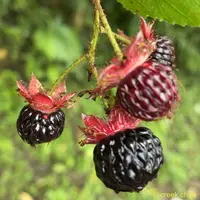
The plant is recognized by its three-part leaves, dark green above and whitish beneath, and small white flowers followed by edible red berries. It is native to central and western China, where it grows on hillsides and forest margins.

This species is generally easy to grow, as it tolerates cold, partial shade, and a range of soils, though it prefers moist, well-drained ground. Understanding how to care for Chinese Bramble mainly involves giving it space to spread and controlling its vigorous growth.

Main Plant Requirements

Care Difficulty

Easy Care

Light Preference

Partial Shade

Water Requirements

Moderate Water

Temperature Preference

Cold Hardy

Hardiness Zone

6–9

Soil Texture

Sandy, Loamy, Organic-rich

Soil pH

Acidic (5.5–6.5), Slightly acidic (6.5–7.0)

Soil Drainage

Moist but well-drained

Fertilization

Minimal (feed rarely)

Get Personalized Care Plan

Scan your plant to receive care tips personalized for your specific plant

Available on iOS and Android

How to Care for the Chinese Bramble

This low, scrambling bramble grows best with bright conditions but not harsh, all-day sun.

  • Provide 4–6 hours of sun daily, ideally morning or late-afternoon sun with light shade at midday to prevent leaf scorch.
  • Tolerates partial shade, especially in hotter regions, but very dense shade reduces vigor, weakens groundcover density, and limits flowering and fruiting.
  • When caring for Chinese Bramble in cooler climates, give more direct sun in spring and fall, then protect from intense midsummer afternoon sun with dappled or filtered shade.

This shallow-rooted groundcover prefers consistently moist but not waterlogged soil.

  • Allow the top 3–5 cm of soil to dry slightly between waterings, then water deeply so moisture reaches the full root zone.
  • In spring and summer, monitor more often during dry spells; in fall and winter, water only when soil feels dry and growth slows.
  • Rubus tricolor shows underwatering by dull, limp leaves and overwatering by yellowing foliage and soft stems, so ensure soil drains freely and never stays soggy.

This hardy bramble tolerates a wide temperature range but grows best in mild conditions.

  • Active growth is strongest around 60–75°F (16–24°C), typical of cool to mild outdoor climates.
  • Mature plants usually tolerate drops near 0°F (−18°C) with good mulch, but new plantings are safer above 15–20°F (−9 to −6°C).
  • Heat above 90°F (32°C) can stress plants; use organic mulch, maintain soil moisture, and provide afternoon shade during extended hot, dry periods.

This species tolerates a wide humidity range and usually does not need special humidity control outdoors.

Rubus tricolor prefers moist, well-drained, fertile soil that does not stay waterlogged.

  • Use a loamy, organic-rich soil with plenty of fine roots and pores, not heavy clay or pure sand.
  • Aim for slightly acidic to neutral pH, around 6.0–7.0, which supports nutrient uptake and healthy growth.
  • In heavy soils, improve structure by mixing in compost and coarse sand or fine gravel to enhance drainage and aeration.
  • Avoid compacted, waterlogged, or extremely alkaline soils, which increase root disease risk and nutrient deficiencies.

This species can be grown in containers if the pot is large and stable enough for its spreading habit.

  • Choose a wide, low container to accommodate trailing stems and reduce tipping in windy or exposed spots.
  • Use a heavy pot material such as ceramic or thick terracotta to add stability as the plant spreads outward.
  • Fill the container with a deep, free-draining mix so roots can anchor firmly and the substrate does not turn soggy after rain or watering.

Rubus tricolor benefits from modest feeding in poor or depleted soils but often needs little fertilizer in the ground.

  • Use a balanced slow-release fertilizer (around 10-10-10) or a thin layer of compost in early spring to support new growth.
  • Apply once in spring and, if growth is weak, once again in mid-summer; avoid feeding after late summer to prevent soft, frost-tender growth.
  • On container-grown Chinese Bramble, use a half-strength balanced liquid feed every 4–6 weeks during the growing season.
  • Do not fertilize in winter; allow the plant to rest and avoid salt buildup in the soil.

Pruning Rubus tricolor helps control spread and maintain a dense, healthy groundcover.

  • Carry out main pruning in late winter or very early spring before strong new growth starts.
  • Remove dead, damaged, or diseased stems first, then thin crowded or overly long runners to keep the mat even.
  • Shorten or redirect wayward stems with clean, sharp hand pruners to define edges along paths or beds.
  • Light trimming after flowering can tidy the plant without reducing next season’s coverage too much.

This groundcover bramble is usually grown in the ground, so transplanting is more common than repotting.

  • Transplant in early spring or early fall when temperatures are mild and soil is workable.
  • Move plants when spread is excessive, growth declines, or roots form dense mats at the soil surface or pot edge.
  • Lift with as much rootball as possible, keep roots shaded and moist, and replant at the same depth in well-drained soil.
  • Water thoroughly after planting, then keep soil slightly moist for several weeks to limit transplant shock and support new root growth.

Rubus tricolor is commonly propagated because its creeping stems root readily at the nodes.

  • Layering is the simplest method: pin a healthy stem to moist soil in spring or early summer and sever once roots form.
  • Stem cuttings taken in late spring to early summer root in a loose, well-drained mix kept evenly moist and in bright shade.
  • Division of rooted mats in early spring allows quick establishment; replant divisions promptly and water well.
  • Seeds are less common; if used, provide cold stratification and sow in a free-draining medium for best germination.

This bramble is generally cold hardy and needs only light winter care in most temperate climates.

  • Tolerates typical frosts, but very young or newly planted specimens benefit from extra attention.
  • Apply 5–8 cm of organic mulch around the root zone in late fall, keeping it slightly away from stems.
  • In colder regions or exposed sites, shelter container plants in an unheated greenhouse or against a sheltered wall.

Care Tips

Root-zone containment

Install a shallow root barrier or plant in a large bottomless container sunk into the ground to prevent the plant from spreading into lawn or beds where it is not wanted.

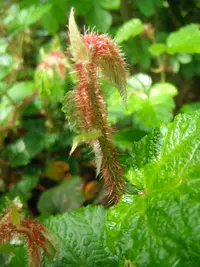
Layering for propagation

Pin a few healthy, flexible stems to the soil with U-shaped wire pegs and cover the pinned section with 2–3 cm of soil to create new, rooted plants within one season for easy renewal or controlled expansion.

Targeted weed suppression

Allow the plant to form a dense mat, then hand-remove any tall or woody weeds that emerge through it so the groundcover can act as a living mulch without becoming choked by more vigorous species.

Snow and ice management

In colder areas, gently lift and rest long stems onto low evergreen shrubs or a simple mesh support before heavy snow so that frozen, crusted snow does not tear stems away from the roots.

Slope stabilization use

On banks or slopes, plant in staggered rows and lightly pin down young runners so they root at intervals, which increases soil binding and improves erosion control when growing Chinese Bramble.

Common Pests and Diseases

Raspberry beetle

This pest damages young fruits, causing dry, misshapen drupelets and small brown larvae inside the berries. Symptoms include prematurely drying berries that crumble easily when handled.

Solution

Collect and destroy affected fruits to break the life cycle, and keep the groundcover thinned so fallen debris does not shelter larvae. For larger plantings, apply a targeted pyrethroid or spinosad product timed to adult flight and flowering, and encourage natural predators by avoiding broad-spectrum insecticides.

Aphids

These insects cluster on young shoots and undersides of leaves, sucking sap and causing leaf curling, distortion, and sticky honeydew that can lead to sooty mold. New growth may appear stunted and distorted in heavy infestations.

Solution

Spray shoots and leaf undersides with a strong stream of water to dislodge colonies, and prune out heavily infested tips on small patches. For persistent problems, use insecticidal soap or a horticultural oil, applied thoroughly in cool parts of the day, and reduce excess nitrogen fertilization that encourages very soft growth.

Cane blight

This disease infects stems (canes), producing dark, sunken lesions that may girdle the cane and cause sudden wilting of attached laterals. Symptoms include brittle, dead sections of stem and poor regrowth from affected areas.

Solution

Cut out and remove blighted canes to healthy tissue, disinfecting pruning tools between cuts, and avoid wounding stems when working in dense groundcover. Improve air movement by thinning overcrowded patches, keep irrigation at soil level instead of overhead, and if the problem is recurring, rotate plantings or replace severely affected mats.

Anthracnose

This disease causes small, round, sunken spots on stems and sometimes leaves, which can merge into larger cankers and weaken the plant. Symptoms include poor vigor, dieback of thin trailing stems, and reduced fruit quality where plants are fruited.

Solution

Remove and destroy affected stems and fallen leaves to reduce inoculum, and maintain good spacing or selective thinning so foliage dries quickly after rain. Avoid overhead watering, keep plants on balanced nutrition to reduce stress, and in production settings use a labeled fungicide during the main infection period if cultural measures are not sufficient.

Raspberry leaf spot

This disease produces small, pale to tan spots with darker margins on leaves, which may coalesce and cause premature leaf drop in dense groundcovers. Symptoms include a thinned, patchy canopy that exposes stems and soil.

Solution

Rake and remove fallen leaves, and trim back heavily affected foliage to encourage clean regrowth, disposing of all infected material away from the planting. Improve air circulation and sun exposure where possible, water at soil level in the morning, and if needed apply a labeled fungicide early in the season according to Rubus tricolor care instructions for disease prevention.

Interesting Facts

Living ground carpet

This species forms a dense, low mat that can smother light to the soil surface, which helps suppress many competing seedlings and stabilizes slopes in its native Chinese mountain habitats.

Trifoliate evergreen leaves

Its leaves are divided into three leaflets that stay on the plant through mild winters, with a dark green, glossy upper surface and a pale, felted underside that reduces water loss and reflects excess light.

Edible but modest fruit

The red berries are edible and raspberry-like but generally small and mild in flavor, so the plant is valued more for groundcover and erosion control than for fruit production in most gardens.

Botan icon

Did you know?

Rubus tricolor was introduced to Western horticulture in the early 20th century primarily as an ornamental and soil-binding groundcover, and in some mild, moist regions such as parts of the UK it has naturalized and is monitored for its potential to spread beyond cultivated areas.

FAQs about Chinese Bramble

This species forms long, trailing stems that root where they touch soil, so it can spread widely over time. In suitable climates it may become difficult to contain without edging, regular pruning, or physical barriers.

Grow Healthy Plants with Botan Care

Keep your plants happy and healthy with plant identification, disease detection, and easy care guidance.

Botan plant care app — identify plants on mobile

Explore More Plants