Rubus umbrosus Care

About Rubus umbrosus

Rubus umbrosus is a deciduous, scrambling bramble in the rose family, related to common blackberries. It forms arching, often prickly canes and produces compound leaves with serrated edges.

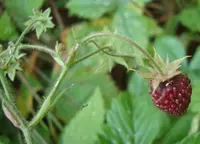
This species is typically found in shaded or semi-shaded woodland edges and hedgerows in its native range, often forming thickets over time. Small flowers are followed by aggregate fruits that resemble other wild Rubus berries.

It tends to be vigorous and can spread, so it is easier in larger naturalistic gardens than in tight, formal spaces. Those who want to care for Rubus umbrosus should note its preference for light shade, moderately moist soil, and good drainage.

Main Plant Requirements

Care Difficulty

Moderate Care

Light Preference

Partial Shade

Water Requirements

Moderate Water

Temperature Preference

Cool Climate

Hardiness Zone

6–9

Soil Texture

Loamy, Silty, Organic-rich

Soil pH

Acidic (5.5–6.5), Slightly acidic (6.5–7.0)

Soil Drainage

Moist but well-drained

Fertilization

Minimal (feed rarely)

Get Personalized Care Plan

Scan your plant to receive care tips personalized for your specific plant

Available on iOS and Android

How to Care for the Rubus umbrosus

This shade-tolerant bramble prefers bright, indirect light with only gentle direct sun.

  • Provide 2–4 hours of soft morning sun or dappled light under taller plants; avoid strong afternoon sun that can scorch leaves.
  • Plant Rubus umbrosus where it receives partial shade, especially in summer; woodland edges or north/east-facing aspects work well.
  • In hot climates, increase shade from midday onward; in cooler climates, allow a bit more morning sun to support flowering and fruiting.

This species prefers consistently moist but not waterlogged soil throughout the growing season.

  • Water when the top 2–4 cm of soil feels slightly dry, aiming to keep the root zone evenly damp during active growth.
  • Use well-drained, humus-rich soil; standing water around the crown or roots increases risk of root rot and weak, yellowing shoots.
  • In spring and summer, monitor more often during dry spells; in fall and winter, reduce watering as growth slows, but do not allow prolonged complete drought for Rubus umbrosus.

This bramble handles cool to temperate outdoor conditions with good cold tolerance.

  • Optimal growth occurs around 60–75°F (16–24°C), supporting steady shoot and root development in the growing season.
  • Established plants generally tolerate winter lows down to about 0°F (−18°C) with mulching over the root zone in colder regions.
  • During heat waves above 86°F (30°C), provide extra mulch and soil moisture, and avoid reflected heat from walls that can stress foliage and reduce fruit quality.

This bramble prefers moderate outdoor humidity but tolerates a fairly wide range.

  • Aim for 40–70% humidity; plants grown in very arid climates benefit from slight shelter from hot, drying winds.
  • Dry air stress appears as crisp leaf edges and slowed shoot growth, especially on young canes.
  • Increase humidity around plants by using organic mulch to keep near-surface air slightly moister without waterlogging the soil.

This species grows best in loose, moist, well‑drained, organic‑rich soil.

  • Use a loamy structure with plenty of organic matter, such as garden loam mixed with compost and leaf mold, to support deep rooting.
  • Ensure drainage by avoiding heavy, compacted clay; amend dense ground with coarse sand or fine grit plus compost to improve aeration.
  • Target a slightly acidic to neutral pH around 6.0–7.0, as strongly alkaline soil can reduce nutrient availability and weaken growth.
  • For practical Rubus umbrosus care instructions, avoid sites that puddle after rain or stay soggy, which promotes root and cane diseases.

This bramble can be grown in containers if the pot is large and stable enough for its vigorous canes.

  • Choose a deep, heavy container that resists tipping once canes arch and fruit develop weight on one side.
  • Select a potting mix that drains quickly yet holds moisture, then raise the pot on feet so drainage holes never sit in standing water.
  • Position the container where canes can be tied to a trellis or rail, which prevents leverage from wind from loosening the root ball.

This woodland bramble grows reasonably well in average soil but benefits from light feeding in managed gardens.

  • Use a balanced granular or slow-release fertilizer (around 10-10-10) or a thin layer of compost in early spring.
  • Apply fertilizer at half the label strength to avoid excessive, weak growth and nutrient runoff.
  • Feed once in early spring and again midseason during active growth, then stop feeding in late summer.
  • For caring for Rubus umbrosus in containers, use a diluted liquid balanced feed every 4–6 weeks in the growing season only.

Pruning helps keep Rubus umbrosus productive, accessible, and within bounds.

  • Prune in late winter or very early spring before new growth starts, when stems are easier to see and handle.
  • Remove dead, diseased, or damaged canes first, then thin out the weakest and most crowded stems at ground level.
  • Keep only strong, well-spaced canes to improve airflow, reduce disease risk, and support better flowering and fruiting.
  • Use sharp, clean bypass pruners and cut just above a healthy bud or branch junction to avoid crushing stems.

This species is usually grown in the ground; focus on thoughtful transplanting rather than frequent repotting.

  • Transplant in early spring or early autumn when temperatures are mild and soil is workable.
  • Look for signs such as restricted spread, poor vigor, or roots circling a container if Rubus umbrosus is pot grown.
  • Lift with a wide root ball, keep roots shaded and moist, and replant at the same depth in well-drained soil.
  • Water thoroughly after planting, then keep soil evenly moist for several weeks to limit transplant shock and encourage new roots.

Rubus umbrosus is commonly multiplied for landscape or restoration use through simple vegetative methods.

  • Use tip layering in spring or summer by pegging a flexible cane tip into moist soil until roots form, then sever.
  • Take semi-ripe stem cuttings in late spring to midsummer, using 10–15 cm pieces with several nodes in a humid, bright, shaded spot.
  • Divide vigorous clumps in early spring or autumn, keeping generous roots attached to each new section.
  • Sow fresh seed outdoors in fall to allow natural winter chilling, which improves germination in spring.

This bramble is generally cold hardy in temperate climates and needs only modest winter care in the ground.

  • Tolerates frost once established, but young or late-planted specimens benefit from extra protection.
  • Apply a 5–8 cm mulch layer over the root zone in late fall, keeping mulch slightly away from canes.
  • For container plants, move pots into an unheated shed or against a sheltered wall to prevent root freezing and thawing cycles.

Care Tips

Install sturdy support

Set durable posts and tensioned wires before planting so canes can be tied in a fan or two-wire system, which improves light penetration, air movement, and fruit quality when growing Rubus umbrosus.

Renewal cane management

Each late winter, remove at ground level the oldest, weak, or heavily fruited canes and keep only strong, well-spaced new canes to maintain high yields and reduce disease buildup.

Targeted mulch strategy

Apply a 5–8 cm layer of organic mulch around but not touching the crowns to keep roots cool, suppress weeds, and protect shallow feeder roots from mechanical damage during cultivation.

Prevent bird damage

Install bird netting over a simple frame just before fruits start to color, securing edges to the ground so birds cannot reach ripening berries while pollinators still access flowers earlier in the season.

Monitor for cane borers

Inspect canes monthly during the growing season for wilted tips or swelling at nodes, and promptly cut 5–10 cm below the damaged section and destroy the pruned material to limit borer spread.

Common Pests and Diseases

Raspberry beetle

This pest damages flower buds and developing berries, causing dry, misshapen fruits with brownish larvae inside. Symptoms include poor fruit set and crumbly, unappealing berries.

Solution

Collect and destroy affected fruits and spent flower clusters to reduce larvae. For small plantings, shake flowering canes over a sheet to dislodge adults, encourage birds and predatory insects, and, if pressure is high, use a targeted fruit and cane-safe insecticide timed to early flowering according to Rubus umbrosus care instructions from local extension services.

Raspberry cane borer

This pest tunnels into young canes, causing wilting shoot tips and characteristic double rows of punctures around the stem. Symptoms include drooping tops that eventually die back above the girdled area.

Solution

Prune out affected cane tips 5–8 cm below the lowest puncture marks and destroy the cut material to remove larvae. Maintain strong, well-spaced canes and avoid mechanical injury, and if infestations persist, use targeted contact insecticides on adults when new growth reaches 15–20 cm, following local guidelines.

Spur blight

This disease causes brown to purplish lesions on canes, usually around leaf joints, which can lead to reduced vigor and fewer healthy fruiting laterals. Symptoms include dead or weakened buds and short, sparse fruiting spurs on affected canes.

Solution

Cut out and dispose of infected canes after harvest or in late winter, and thin canes to improve airflow and faster drying after rain. Keep foliage dry by avoiding overhead irrigation and apply a labeled fungicide in wet seasons if the plant has a history of repeated infections.

Anthracnose

This disease produces small, sunken, grayish spots with dark margins on canes and sometimes on leaves and fruit, leading to cracking and dieback. Symptoms include rough, peeling bark and weakened canes that break easily or support fewer fruits.

Solution

Remove and destroy heavily infected canes at pruning time, and avoid high-density thickets that trap humidity. Use drip irrigation instead of overhead watering when possible, and in areas with frequent rainfall consider preventive fungicide sprays starting at early shoot growth, following label instructions for Rubus species.

Botrytis fruit rot

This disease affects flowers and ripening berries, leading to soft, water-soaked fruit that quickly develops gray, fuzzy mold. Symptoms include clusters of berries that fail to ripen evenly and collapse or dry on the cane.

Solution

Harvest fruit promptly and frequently, remove overripe or moldy berries from the plant and the ground, and avoid wetting flowers and fruit with overhead irrigation. Improve spacing and pruning to enhance airflow, and in persistently wet climates consider using a bloom-time fungicide labeled for caneberries to protect flowers and developing fruit.

Interesting Facts

Shade-loving bramble

This wild blackberry relative is typically found in shaded or semi-shaded woodland habitats rather than open sunny hedgerows, as suggested by its species name umbrosus, meaning shady.

European woodland native

It is native to parts of central and western Europe, where it grows in moist, humus-rich forest soils and contributes to the understorey structure by forming low, arching canes.

Modest fruit producer

Compared with domesticated blackberries, this species tends to produce smaller, less abundant fruits, which are still valuable as a food source for birds and small mammals in its natural range.

FAQs about Rubus umbrosus

This bramble spreads by arching canes and suckering roots, so it can form thickets over time. Use root barriers, regular pruning, and prompt removal of unwanted shoots to prevent it from overtaking nearby planting areas.

Grow Healthy Plants with Botan Care

Keep your plants happy and healthy with plant identification, disease detection, and easy care guidance.

Botan plant care app — identify plants on mobile

Explore More Plants