Early formative pruning
In the first 2–3 years, lightly tip-prune after flowering to encourage a strong, multi-stemmed framework that resists wind damage and supports heavier bloom loads later.

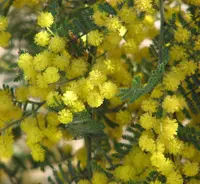
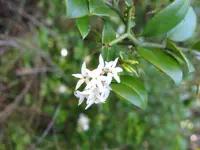
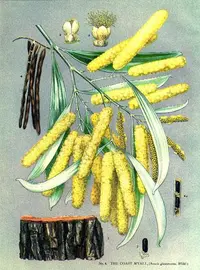
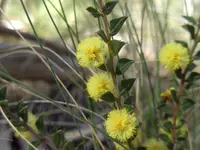
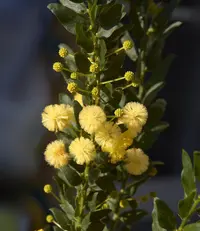
Wyalong wattle (Acacia cardiophylla) is a small to medium shrub or tree from inland New South Wales, Australia. It naturally grows in dry woodlands and rocky slopes. The plant has fine, feathery foliage and a rounded, bushy habit, with bright yellow, ball-shaped flower clusters in late winter or spring. It usually forms a light, airy canopy rather than dense shade. This species adapts well to low-water landscapes and poor, well-drained soils, which makes it relatively low-maintenance once established. Understanding how to care for wyalong wattle starts with providing plenty of sun, avoiding heavy or waterlogged soil, and protecting young plants from severe frost.

Care Difficulty
Easy Care

Light Preference
Full Sun

Water Requirements
Low Water

Temperature Preference
Warm Climate

Hardiness Zone
8–10

Soil Texture
Sandy, Loamy, Rocky

Soil pH
Slightly acidic (6.5–7.0), Neutral (7.0)

Soil Drainage
Well-drained

Fertilization
Minimal (feed rarely)
Scan your plant to receive care tips personalized for your specific plant
Available on iOS and Android
This Australian shrub prefers bright, open positions with strong light for best flowering.
This species prefers dry to moderately moist soil and is sensitive to prolonged wet conditions.
This shrub is adapted to warm, dry climates with mild winters and tolerates moderate heat once established.
This species tolerates dry air well, so humidity is rarely a limiting factor for wyalong wattle.
This shrub prefers freely draining, mineral soils that do not stay wet around the roots.
This shrub can be grown in containers for several years if the pot is chosen to match its root depth and dry-leaning needs.
Acacia cardiophylla is adapted to low-nutrient soils, so use light, infrequent feeding when grown in containers or poor ground.
Pruning Acacia cardiophylla is mainly done to maintain structure and remove problem wood rather than to control size.
This species is usually grown in the ground, so focus on careful transplanting rather than frequent repotting.
New Acacia cardiophylla plants are most commonly raised from seed, with some care needed for good germination.
In mild-winter regions this plant needs minimal winter care, but hard frosts can damage young growth.

Plant Health Check
Not sure what's wrong with your plant? Check your plant's health inside the app.
The species name cardiophylla refers to its small, heart-shaped leaf-like phyllodes, which are actually modified leaf stalks adapted to reduce water loss in its dry native habitats.
This wattle produces dense masses of bright yellow flower heads in late winter to spring in inland New South Wales, providing an important early-season pollen and nectar source for native insects.
Like other wattles, it forms root nodules that host nitrogen-fixing bacteria, allowing it to grow on low-fertility, rocky slopes and improve soil nitrogen for other nearby plants.

Wyalong wattle is naturally restricted to a relatively small area of inland New South Wales, making it a localized endemic species closely associated with dry sclerophyll woodland and open forest communities.
Growth is moderately fast in suitable conditions. Young plants often add 30–60 cm per year once established. Rate depends on light, drainage, soil fertility, and water. Good Acacia cardiophylla care includes avoiding heavy, waterlogged soils that slow roots.
Keep your plants happy and healthy with plant identification, disease detection, and easy care guidance.