kangaroo thorn Care (Acacia paradoxa)

Also known as: paradox acacia, Kangaroo Acacia, Hedge Wattle, Kangaroo Wattle
kangaroo thorn

About kangaroo thorn

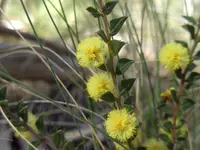
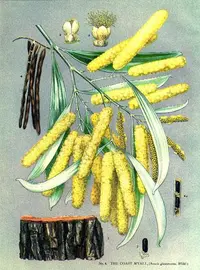
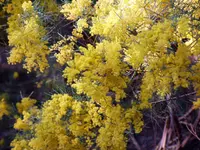
Kangaroo thorn, Acacia paradoxa, is a dense, thorny shrub from southeastern Australia, often used as a barrier or habitat plant in gardens and landscapes. It forms a tangled, bushy shape with small yellow puffball flowers and sharp spines along its stems, giving strong protection value but limiting close handling.

In its native range it grows in dry woodlands and coastal scrub, showing good tolerance to wind, poor soils, and short dry periods once established. It suits sunny, well-drained sites and needs minimal extra water after rooting. These tough traits make it fairly easy to grow, but the thorns require thoughtful placement and handling when you care for kangaroo thorn.

Main Plant Requirements

Care Difficulty

Easy Care

Light Preference

Full Sun

Water Requirements

Low Water

Temperature Preference

Warm Climate

Hardiness Zone

8–11

Soil Texture

Sandy, Loamy, Rocky

Soil pH

Slightly acidic (6.5–7.0), Slightly alkaline (7.0–7.5)

Soil Drainage

Well-drained

Fertilization

Minimal (feed rarely)

Get Personalized Care Plan

Scan your plant to receive care tips personalized for your specific plant

Available on iOS and Android

How to Care for the kangaroo thorn

This shrub thrives in open, sunny positions but tolerates some light shade in hot regions.

  • Provide 6–8 hours of direct sun daily; morning and early afternoon sun support dense growth and flowering in kangaroo thorn.
  • In very hot climates, give light afternoon shade or filtered light to reduce leaf scorch, especially on young plants.
  • Avoid deep shade, which leads to sparse, leggy stems and fewer blooms; choose a site with unobstructed sky exposure for most of the day.

This drought-tolerant shrub prefers infrequent, deep watering rather than frequent light applications.

  • Water only when the top 5–8 cm of soil feel completely dry, then soak the root zone thoroughly and allow full drainage.
  • Use sharply draining soil; prolonged puddling or a sour smell around the roots indicates poor drainage and risk of rot for Acacia paradoxa.
  • During the first 1–2 growing seasons, monitor for wilting or dull, curling leaves as signs of underwatering, especially in extended dry heat.

This hardy shrub is adapted to warm, dry climates but tolerates a modest range of cold.

  • Ideal growth occurs around 65–80°F (18–27°C), with good performance in mild, low-humidity conditions.
  • Established plants usually tolerate brief drops to about 20–25°F (-6 to -4°C), but young plants are more vulnerable and benefit from frost protection.
  • In hot spells above 95°F (35°C), ensure soil is not bone-dry and protect from reflected heat off walls or paving to limit stress.

Acacia paradoxa handles a wide humidity range and usually does not need special humidity management.

Acacia paradoxa grows best in lean, well-drained mineral soils rather than rich, moisture-retentive mixes.

  • Use a sandy or gravelly loam with coarse particles that allow rapid drainage and prevent water stagnation.
  • Aim for slightly acidic to neutral pH, around 6.0–7.0, avoiding strongly acidic or alkaline substrates.
  • Mix roughly 60–70% sandy loam with 30–40% sharp sand or fine gravel to boost aeration and root oxygen availability.
  • Avoid heavy clay, peat-heavy, or compacted mixes that stay wet for long periods, as these promote root rot in this species.

This species can be grown in containers, but long thorns and vigorous growth make it more suitable for experienced growers.

  • Choose a wide, heavy container that will not tip as the shrub becomes dense and wind-catching.
  • Use a deep pot to accommodate the strong taproot and prevent circling roots that reduce stability.
  • Select rigid materials like thick plastic or ceramic that resist distortion from the woody root system and keep the shrub securely anchored.

This hardy Australian shrub, commonly called kangaroo thorn, usually needs only modest feeding when grown in poor or depleted soils.

  • Use a light dressing of compost or a balanced slow-release fertilizer (around 10-10-10) in early spring to support new growth.
  • In containers or very sandy soils, repeat with a mild balanced NPK product once more in midsummer.
  • Apply at 1/2 strength of the manufacturer’s recommendation to avoid soft, weak growth.
  • Avoid fertilizing in late fall and winter when growth slows or stops.

Pruning Acacia paradoxa helps manage its dense, spiny form and maintain safe, workable size.

  • Carry out structural pruning in late winter or very early spring before strong new growth begins.
  • Remove dead, damaged, crossing, or inward-growing branches first to improve light and air within the canopy.
  • Shorten overly long shoots to shape the shrub and keep paths and access areas clear.
  • Use sharp bypass pruners or loppers and make clean cuts just above a bud or branch junction.

This species is more often planted in the ground than kept long term in containers, so focus on careful transplanting.

  • Transplant young plants in late winter or early spring when soil is workable and temperatures are mild.
  • Look for slowed top growth, roots circling inside the pot, or water running straight through as signs a container plant needs a larger space.
  • Move up only 1 pot size or into a well-drained garden site, keeping the root ball intact and at the same soil level.
  • Water thoroughly after planting, then keep soil evenly moist for several weeks to limit transplant shock.

Propagation of Acacia paradoxa is usually done from seed, with pretreatment improving germination success.

  • Collect ripe seed pods, then use hot-water treatment: pour just-boiled water over seeds, soak 12–24 hours, and discard floaters.
  • Sow in late winter to early spring in a free-draining mix, just barely covering the seeds.
  • Maintain bright light, good air circulation, and temperatures around 65–75°F for steady germination.
  • Keep the medium slightly moist, then pot on seedlings once roots fill small cells or plugs.

In mild climates this shrub is fairly tolerant of cool conditions but benefits from some winter attention in colder regions.

  • Expect best outdoor performance in climates with minimal hard frost; prolonged drops below about 20°F may damage foliage or young wood.
  • Apply a 5–8 cm mulch layer around the root zone in late fall, keeping mulch away from the trunk.
  • Grow container plants in a sheltered spot, and move them into a bright, frost-free area before severe cold arrives.
  • Avoid heavy winter watering; allow the top of the soil to dry slightly between light waterings.

Care Tips

Thorn‑aware placement

Site plants well away from paths, play areas, and high-traffic zones, and use sturdy gloves and long sleeves when working nearby to avoid injury from the dense spines.


Living barrier training

For hedge use, stagger plants in a zigzag row and tip-prune young shoots lightly to encourage dense branching that forms an effective, stock-proof barrier without heavy structural pruning later.

Wind hardening strategy

In windy sites, stake only during the first 1–2 years and gradually loosen ties so the trunk flexes and strengthens, then remove supports entirely once the plant stands firm on its own.

Regenerative coppicing

If an older shrub becomes woody or sparse, cut it back hard above a few healthy buds in late winter and allow strong new shoots to replace the old framework over the next 1–2 seasons.

Habitat and soil helpers

Leave a light mulch of fallen leaves and flowers under the plant to build organic matter and support beneficial insects, which improves soil structure and natural pest control when growing kangaroo thorn.

Common Pests and Diseases

Wattle leaf miner

This pest tunnels inside young leaves, causing blistered, distorted, or browning foliage that can make the plant look scorched.

Solution

Prune and destroy heavily mined shoots to remove larvae, then encourage new growth with good watering and light but avoid high-nitrogen fertiliser that promotes very soft foliage. For repeated problems, use horticultural oil or spinosad-based sprays targeted to young flushes of growth, following label directions and avoiding applications during peak bee activity.

Acacia psyllid

These insects feed on sap from young shoots and leaf-like phyllodes, leading to curling, yellowing, sticky honeydew, and sometimes sooty mold on the surface.

Solution

Spray infested foliage with a strong stream of water to dislodge nymphs, and prune out badly affected tips. If populations stay high, apply insecticidal soap or horticultural oil to the undersides of shoots at 7–10 day intervals until new growth appears clean, and reduce plant stress by avoiding drought or waterlogging.

Scale insects

This pest attaches to stems and leaf midribs as small bumps, sucking sap and producing honeydew that can attract ants and lead to black sooty mold.

Solution

Gently scrub accessible stems with a soft brush dipped in diluted soapy water, then rinse. For larger plants, use horticultural oil during mild weather to coat and suffocate the scale, and manage ant trails around the base so natural predators can reach the insects, which supports long-term Acacia paradoxa care.

Rust fungus

This disease causes yellow to orange powdery pustules on leaves and young stems, sometimes leading to premature leaf drop and thinning of the canopy.

Solution

Remove and dispose of infected leaves and any fallen debris to reduce spore levels, and avoid overhead watering that keeps foliage wet. Improve airflow by selective thinning, and in severe or repeated cases consider a registered copper or sulfur-based fungicide, applied according to label directions at the first signs of new pustules.

Interesting Facts

Dual life strategy

Acacia paradoxa grows as a dense, thorny shrub but can develop tree-like form in very sheltered, low-competition sites, showing strong phenotypic plasticity in response to light and disturbance.

Ant and bird partnership

The plant’s dense, spiny branches provide nesting and refuge sites for small birds, while its extrafloral nectar and seeds attract ants that can deter some herbivores and aid in seed dispersal.

Fire-adapted seed bank

Its hard-coated seeds can persist in the soil for many years and germinate in large numbers after fire, when heat and smoke help break seed dormancy and open space for rapid colonization.

Botan icon

Did you know?

In parts of southern Australia, dense thickets of Acacia paradoxa are sometimes used as a living barrier to exclude grazing animals, because the stiff, sharply pointed spines form a near-impenetrable hedge under low-maintenance conditions.

FAQs about kangaroo thorn

This species can spread aggressively through seed, especially in mild climates with well-drained soils. Birds disperse the pods. Regular pruning and prompt removal of seed pods help limit unwanted spread and keep plants contained.

Grow Healthy Plants with Botan Care

Keep your plants happy and healthy with plant identification, disease detection, and easy care guidance.

Botan plant care app — identify plants on mobile

Explore More Plants