Thorn-smart handling
Use thick gloves and long sleeves when repotting, transplanting, or shaping this very thorny shrub, and position it away from walkways so people and pets do not brush against the spines.

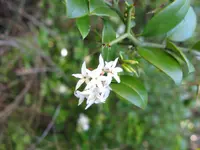
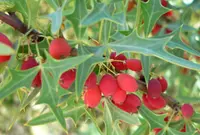
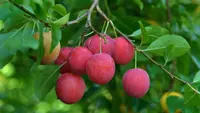
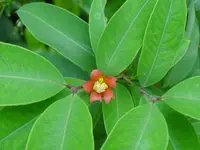
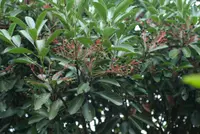
Red num num, Carissa bispinosa, is a dense, spiny evergreen shrub grown for its glossy foliage, fragrant white flowers, and red, plum-like fruits. It typically forms a compact, branching mound, making it useful as a hedge, barrier plant, or container specimen in mild climates.
This species is native to southern Africa, where it grows in scrub and woodland margins, tolerating sun, heat, and seasonal dryness. Its drought tolerance, slow to moderate growth, and natural pest resistance make it relatively low-maintenance once established, though the thorns require careful handling.
It prefers well-drained soil, moderate watering, and bright light, which makes it straightforward to care for Red Num Num in suitable conditions.

Care Difficulty
Moderate Care

Light Preference
Full Sun

Water Requirements
Moderate Water

Temperature Preference
Warm Climate

Hardiness Zone
9–11

Soil Texture
Sandy, Loamy, Rocky

Soil pH
Slightly acidic (6.5–7.0), Neutral (7.0)

Soil Drainage
Well-drained

Fertilization
Minimal (feed rarely)
Scan your plant to receive care tips personalized for your specific plant
Available on iOS and Android
Carissa bispinosa thrives in bright, mostly sunny positions similar to its native scrub and woodland edges.
Carissa bispinosa prefers evenly moist but never waterlogged soil once established.
This species grows best in warm, frost-free climates with only moderate temperature swings.
Carissa bispinosa handles a wide humidity range and rarely needs special humidity management indoors or outdoors.
Carissa bispinosa prefers lean, well-drained, slightly sandy soil that does not stay wet.
This species is well suited to container growing on patios, balconies, or in mild outdoor climates.
Carissa bispinosa benefits from modest feeding in containers or poor soils, while established in-ground plants need little fertilizer.
Carissa bispinosa responds well to light structural pruning that maintains shape and flowering wood.
This shrub is more often transplanted outdoors than repotted, but container plants still need occasional attention.
Carissa bispinosa is commonly propagated from semi-hardwood cuttings or seeds under warm, bright conditions.
This shrub is moderately frost tolerant but benefits from extra winter care in colder regions or exposed sites.

Plant Health Check
Not sure what's wrong with your plant? Check your plant's health inside the app.
Carissa bispinosa produces rigid forked spines on short side branches that also bear flowers and fruits, an adaptation that protects its berries from browsing animals while still allowing fruiting on the same structures.
Its white, star-shaped flowers open mainly in the late afternoon and evening and release a stronger fragrance at night, a pattern that suggests adaptation to crepuscular or nocturnal pollinators such as moths.
This species occurs naturally from dry inland bushveld to coastal scrub in southern Africa, showing notable tolerance to wind, seasonal drought, and mildly saline coastal conditions compared with many other shrubs from the region.

In parts of southern Africa, dense, spiny thickets of Carissa bispinosa are used as almost impenetrable living barriers around homesteads and fields, providing both security and an edible berry crop from the same plants.
The red, fully ripe fruits are edible and often used for jams, jellies, or snacking in small amounts. Unripe fruits, leaves, and stems contain irritating milky sap and should not be eaten.
Keep your plants happy and healthy with plant identification, disease detection, and easy care guidance.