Bulb division timing
Lift and divide crowded clumps every 3–4 years in late summer after the foliage has yellowed, replanting only firm, healthy bulbs at the same depth to maintain strong flowering.

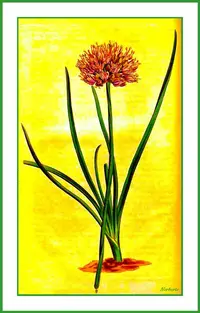
Mouse garlic (Allium angulosum) is a compact, bulb-forming perennial in the onion family, valued for its neat clumps and late-summer flowers. It usually forms upright, grassy foliage with rounded heads of soft pink to lilac star-shaped blooms.
This species is native to parts of Europe and western Asia, where it grows in open, sunny meadows and moist, well-drained soils. It is generally hardy and low-maintenance, which makes it straightforward to care for mouse garlic in temperate gardens.
The plant tolerates cold winters, moderate summer heat, and short dry spells once established. It typically prefers full sun, reasonably fertile soil, and steady but not excessive moisture.

Care Difficulty
Easy Care

Light Preference
Full Sun

Water Requirements
Moderate Water

Temperature Preference
Cold Hardy

Hardiness Zone
4–8

Soil Texture
Sandy, Loamy, Organic-rich

Soil pH
Slightly acidic (6.5–7.0), Slightly alkaline (7.0–7.5)

Soil Drainage
Well-drained

Fertilization
Minimal (feed rarely)
Scan your plant to receive care tips personalized for your specific plant
Available on iOS and Android
Allium angulosum prefers bright, open conditions similar to other sun-loving bulbous perennials.
Allium angulosum prefers moderately moist but never waterlogged soil, especially during active growth.
This hardy bulb tolerates a wide temperature range and is well suited to outdoor beds in temperate climates.
Humidity is not a critical factor for Allium angulosum, which thrives in typical outdoor air conditions around 30–60%.
Allium angulosum prefers mineral-rich, well-aerated soil that drains quickly after rain or watering.
This species adapts well to container growing when given sharp drainage and enough depth for bulbs and roots.
Allium angulosum benefits from modest feeding during active growth but does not require heavy fertilization.
Allium angulosum needs only light, targeted pruning to stay tidy and flower well.
Mouse garlic is usually grown in the ground and only occasionally needs dividing or transplanting.
Allium angulosum is most commonly propagated by bulb division, with seed used when increasing numbers more slowly.
Allium angulosum is cold hardy and generally needs minimal winter care in the ground.

Plant Health Check
Not sure what's wrong with your plant? Check your plant's health inside the app.
This species flowers relatively late for an ornamental allium, often in mid to late summer, providing nectar and pollen when many earlier alliums have finished and supporting bees, hoverflies, and other pollinators during a seasonal gap.
It naturally forms low, dense clumps with narrow, grass-like leaves and many upright flower stems, creating a uniform, edging-friendly habit that differs from taller, more architectural allium relatives.
Unlike many ornamental alliums that demand very light, sandy substrates, this species occurs in nature on periodically moist meadows and can handle moderately heavier, loamier soils if drainage is still adequate.

In parts of central and eastern Europe, this species is considered regionally rare and is listed in some local Red Data Books, mainly because drainage, conversion, and intensive use of its natural wet meadow habitats have reduced its wild populations.
Lack of flowers often results from insufficient sun, overcrowded or undivided clumps, or depleted soil. Bulbs typically need several years of undisturbed growth. After flowering, allow foliage to die back naturally so bulbs can recharge for next season.
Keep your plants happy and healthy with plant identification, disease detection, and easy care guidance.