Moquilea platypus Care

Moquilea platypus

About Moquilea platypus

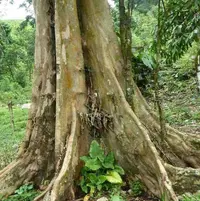
Moquilea platypus is a tropical evergreen tree known for its dense crown, glossy foliage, and rounded, often edible fruits. It typically develops a straight trunk with a well-formed canopy, giving it a neat, architectural look in suitable climates.

This species is native to humid tropical regions of Central and South America, where it grows in warm, moist forests. It tends to prefer consistently moist, well-drained soils and regular rainfall, which influences how to care for Moquilea platypus in cultivation.

The tree can be moderately demanding outside its natural climate, mainly due to its need for warmth, humidity, and space to reach its natural size. In appropriate outdoor conditions, it is generally robust and long-lived when basic environmental needs are met.

Main Plant Requirements

Care Difficulty

Moderate Care

Light Preference

Full Sun

Water Requirements

Moderate Water

Temperature Preference

Tropical / Frost Sensitive

Hardiness Zone

10–12

Soil Texture

Sandy, Loamy, Organic-rich

Soil pH

Acidic (5.5–6.5), Slightly acidic (6.5–7.0)

Soil Drainage

Moist but well-drained

Fertilization

Minimal (feed rarely)

Get Personalized Care Plan

Scan your plant to receive care tips personalized for your specific plant

Available on iOS and Android

How to Care for the Moquilea platypus

This species prefers bright, warm conditions similar to its native lowland tropical forests.

  • Provide 4–6 hours of bright, indirect sun daily, with gentle morning sun and protection from harsh afternoon rays in hot climates.
  • Allow light dappled shade under taller trees; dense shade reduces flowering and causes sparse, elongated shoots over time.
  • In hotter months, use filtered light or light shade cloth to limit leaf scorch, while in cooler seasons favor slightly more open exposure to maintain active growth.

This tree prefers evenly moist, well‑drained soil rather than extremes of drought or saturation.

  • Before deep watering, let the top 3–5 cm of soil lose surface sheen but not become dusty dry, then soak the root zone thoroughly.
  • During hot, dry seasons, increase frequency so fine feeder roots do not dry out; in cooler or rainy periods, extend intervals to avoid persistent sogginess.
  • Watch for yellowing, soft leaves as a sign of overwatering and dry, curling foliage or premature leaf drop as indicators of underwatering, and improve drainage if puddling occurs.

This tropical tree thrives in warm, frost‑free conditions year‑round.

  • Aim for 70–86°F (21–30°C) for strong growth, with consistent warmth supporting flowering and fruiting.
  • Protect from temperatures below 50°F (10°C); brief drops near this level may slow growth, while exposure near 40°F (4°C) can damage foliage and young shoots.
  • Avoid frost entirely and shelter young trees from hot, dry winds when temperatures exceed 95°F (35°C), using mulch to buffer soil temperature swings around the root zone.

This species prefers moderately humid air but tolerates brief drier periods if soil moisture is stable.

  • Aim for 50–70% humidity, especially for young foliage and actively growing plants.
  • Crisp leaf edges, tip browning, and slow new growth indicate humidity stress or prolonged dry air exposure.
  • Group plants, use a nearby humidifier, or place containers over a pebble tray with water to raise local humidity without waterlogging roots.

Moquilea platypus grows best in deep, well‑structured, free‑draining soil that still retains steady moisture.

  • Use a loamy mix with 40–60% organic matter such as compost plus mineral material like coarse sand or fine gravel for structure.
  • Ensure rapid drainage by avoiding heavy clay; incorporate coarse sand or 10–20% perlite to improve aeration around the root zone.
  • Target a slightly acidic to neutral pH of 6.0–7.0, avoiding strongly alkaline sites that can limit nutrient availability and cause chlorosis.
  • Avoid compacted or waterlogged ground; raised beds or mounded planting rows help excess water move away from deeper roots.

This tree can be grown in large containers for some years, provided the pot is managed for stability and drainage.

  • Select a heavy, wide‑based container to reduce tipping risk as the woody canopy becomes top‑heavy in wind.
  • Choose a pot at least 45–60 cm deep so structural roots can anchor securely and resist rocking.
  • Use a fast‑draining mix and keep containers slightly elevated on feet or blocks so drainage holes never sit in standing water.

This species grows on relatively poor soils, so Moquilea platypus benefits from modest, not heavy, feeding in cultivation.

  • Use a balanced, slow-release fertilizer (around 10-10-10) or well-rotted compost at the start of the warm growing season.
  • Apply granular slow-release once per season, or liquid feed every 4–6 weeks at 1/2 strength for container-grown plants.
  • Avoid fertilizing in late fall and winter to prevent soft, frost-sensitive growth and to match the tree’s lower metabolic activity.
  • Water before and after feeding to reduce root burn and keep nutrients moving into the root zone.

Pruning is mainly used to maintain structure and remove defective growth on Moquilea platypus rather than to control size severely.

  • Carry out structural pruning in late winter or very early spring before active growth starts.
  • Remove dead, diseased, crossing, or inward-growing branches to open the canopy and improve air flow.
  • Shorten overly long or unbalanced limbs to maintain a strong central framework and stable tree form.
  • Use clean, sharp bypass pruners or a pruning saw, making smooth cuts just outside the branch collar to support proper healing.

This tree is usually grown in the ground; management focuses on transplanting young Moquilea platypus rather than long-term container culture.

  • Look for roots circling the pot, water running straight through, or stalled growth as signs a nursery plant needs a larger container or planting out.
  • Plan transplanting for late winter to early spring, when temperatures are mild and new root growth will soon resume.
  • Move young trees every 2–3 years at most, shifting to a slightly larger pot or into open ground to avoid chronic root binding.
  • Reduce root stress by watering deeply before and after planting, keeping the root ball intact, and shading the crown for the first 1–2 weeks if conditions are hot.

Propagation of this species is typically done from seed and is slower than many ornamental shrubs or houseplants.

  • Collect ripe seeds from healthy Moquilea platypus fruits and clean away all pulp to limit fungal problems.
  • Sow seeds in spring into a free-draining, slightly acidic mix, covering them lightly and keeping the medium evenly moist, not waterlogged.
  • Maintain warm conditions around 70–80°F and bright, indirect light to support germination and early seedling growth.
  • Transplant seedlings carefully once they have several true leaves, disturbing the roots as little as possible to avoid setback.

This is a warmth-loving tree that prefers frost-free conditions and benefits from thoughtful winter management in cooler regions.

  • In climates with light frost, add a 5–8 cm mulch layer around the root zone, keeping it a few cm away from the trunk.
  • Wrap young trunks with breathable tree wrap or horticultural fleece during cold snaps to reduce bark damage from freezing.
  • Grow container specimens in large pots and move them indoors or into a heated greenhouse before temperatures fall near 32°F.

Care Tips

Early structural training

In the first 3–5 years, select 3–5 strong scaffold branches spaced around the trunk and remove competing leaders to build a stable framework that can carry heavy fruit loads later.

Fruit load management

Thin young fruits so that clusters are spaced 10–15 cm apart on each branch to reduce limb breakage, improve individual fruit size, and support long-term tree vigor.

Wind and weight support

In windy sites, install sturdy stakes or a low, broad tree tie system for young trees and remove or shorten overly long lateral branches before they harden to prevent splitting when the canopy becomes heavy with fruit.

Mulch for root stability

Apply a 5–8 cm layer of coarse organic mulch in a wide ring, keeping it 5–8 cm away from the trunk, to buffer soil temperature, stabilize moisture, and encourage a deep, wide-spreading root system.

Routine canopy inspection

Inspect the canopy every 4–6 weeks during the growing season for crossing branches, small cracks, or dead wood and remove minor problems early, which simplifies caring for Moquilea platypus as the tree matures.

Common Pests and Diseases

Fruit borer

This pest tunnels into the developing fruits, causing premature fruit drop and internal decay of the seeds and pulp.

Solution

Collect and destroy infested and fallen fruits promptly, prune to open the canopy, and use fine mesh bags around maturing fruits where practical; in orchard settings, apply targeted Bacillus thuringiensis or other registered fruit-borer biological products timed to flowering and early fruit set.

Fruit fly

These insects lay eggs in ripening fruits, leading to soft spots, internal maggots, and rapid fruit breakdown.

Solution

Use baited traps to monitor and reduce adult populations, remove and destroy infested fruits, keep the area clean of fallen fruit, and where pressure is high, use fruit bagging or approved protein-bait sprays following local extension guidelines.

Anthracnose

This disease produces dark, sunken lesions on young leaves, twigs, and sometimes fruits, leading to deformation and dieback of tender growth.

Solution

Prune out and dispose of affected shoots, avoid overhead watering, improve airflow by thinning dense branches, and in humid or rainy regions apply a copper-based or other registered fungicide at the start of new flush and before prolonged wet periods as part of broader Moquilea platypus care instructions.

Sooty mold

This disease appears as a black, soot-like coating on leaves and twigs, growing on honeydew excreted by sap-sucking insects such as scale or aphids.

Solution

Control the underlying sap-sucking insects with targeted treatments like horticultural oil or insecticidal soap, then gently wash leaves with water to remove the mold and improve light exposure and photosynthesis.

Scale insects

These insects attach to stems and leaf undersides, sucking sap and weakening the tree while producing sticky honeydew that can lead to sooty mold growth.

Solution

Inspect branches regularly, scrape or prune heavily infested twigs, encourage natural predators, and use horticultural oil sprays during cooler parts of the day, repeating as needed to cover the full life cycle.

Interesting Facts

Chicozapote relative

Moquilea platypus, often still cited under its synonym Chrysophyllum cainito subsp. platypus in older literature, belongs to the Sapotaceae family and is closely related to sapodilla and caimito, sharing similar latex-bearing tissues and star-patterned wood anatomy.

Large edible drupe

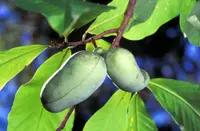
The species produces a large, flattened, yellow to orange drupe with a fleshy, sweet pulp and 1–4 hard, glossy seeds, and it is eaten locally fresh or processed into juices in parts of Central and South America.

Moist lowland specialist

This tree naturally occurs in humid lowland to premontane forests from Mexico through Central America into parts of South America, where it grows best along rivers and in other moist sites with high rainfall and fertile soils.

FAQs about Moquilea platypus

This species is moderately fast-growing in warm, frost-free climates, often adding 30–60 cm of height per year once established. Growth slows in poor soil, cool conditions, or when moisture is inconsistent, especially during its early establishment phase.

Grow Healthy Plants with Botan Care

Keep your plants happy and healthy with plant identification, disease detection, and easy care guidance.


Botan plant care app — identify plants on mobile

Explore More Plants