Fruitful cane renewal
After fruiting, remove older woody stems at the base and keep vigorous 1–2-year-old canes, as these produce the best hips and maintain an open, healthy framework.

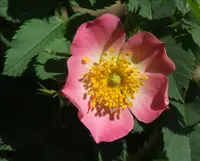
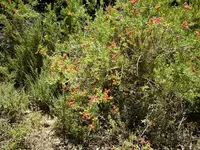
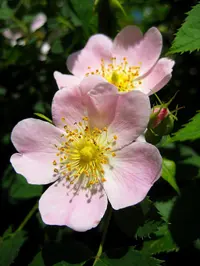
Apple rose, Rosa villosa, is a hardy deciduous shrub rose valued for its rounded, colorful hips and simple, pink flowers. It forms a bushy, upright habit with prickly stems and matte green leaves that turn slightly yellow in autumn.
This species is native to parts of Europe and western Asia, often found in sunny, open woodlands and scrub. It is generally easy to grow if given sun, well-drained soil, and moderate moisture.
Straightforward structure, good cold tolerance, and low disease pressure make it suitable for beginners who want to learn how to care for Apple Rose without complex maintenance needs.

Care Difficulty
Easy Care

Light Preference
Full Sun

Water Requirements
Moderate Water

Temperature Preference
Cold Hardy

Hardiness Zone
3–7

Soil Texture
Loamy, Sandy, Organic-rich

Soil pH
Acidic (5.5–6.5), Slightly acidic (6.5–7.0)

Soil Drainage
Well-drained

Fertilization
Minimal (feed rarely)
Scan your plant to receive care tips personalized for your specific plant
Available on iOS and Android
Rosa villosa grows best in open, bright conditions with consistent direct sun.
Rosa villosa prefers evenly moist but not saturated soil, with adjustments for season and rainfall.
This species is a hardy shrub rose that tolerates cold winters and moderate summer heat.
Rosa villosa handles a wide humidity range but grows best in moderately dry air.
Rosa villosa prefers moderately fertile, well‑structured mineral soil with reliable drainage.
This species can be grown in containers if the pot is large, stable, and drains very efficiently.
Rosa villosa generally needs modest feeding, especially when grown in poorer soils or containers.
Rosa villosa benefits from light, structured pruning to maintain health and flowering.
This species is usually grown in the ground, so focus on thoughtful transplanting rather than frequent repotting.
Rosa villosa is commonly propagated by seed, hardwood cuttings, or by lifting rooted suckers.
This wild rose is cold hardy and usually requires only minimal winter care in most temperate climates.

Plant Health Check
Not sure what's wrong with your plant? Check your plant's health inside the app.
The round red hips of this species are unusually rich in vitamin C compared to many other wild roses, which is why they have been traditionally used in parts of Europe for teas and preserves as a nutritional supplement.
This rose naturally occurs in higher-altitude and submontane regions across central and southern Europe, where it grows in sunny forest edges, scrub, and rocky slopes and tolerates colder conditions than many garden roses.
Its stems and hips often carry numerous fine bristles in addition to spines, a feature that helps distinguish it from related wild roses in the same habitats and is useful for accurate Rosa villosa plant care and identification in the field.

Rosa villosa was one of the wild rose species historically used in European breeding and selection work to improve winter hardiness and fruit traits in some cultivated rose lines, linking a modest mountain shrub to modern horticultural development.
Poor flowering usually comes from too little sun, heavy pruning at the wrong time, or nutrient imbalance. Avoid cutting stems late summer to spring, ensure full sun, and use a balanced, low-nitrogen fertilizer to support bud formation.
Keep your plants happy and healthy with plant identification, disease detection, and easy care guidance.