Wind-hardy training
Allow young trees to experience moderate, unsheltered wind so they develop a strong, tapered trunk, but use a single low, flexible stake in very exposed sites and remove it after 1–2 years to avoid weak, stake-dependent growth.

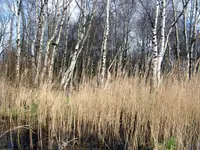
Downy birch, Betula pubescens, is a hardy deciduous tree native to cool regions of Europe and parts of northern Asia. It often forms light, airy woodlands and wetlands. The tree has a slender trunk with pale bark, fine twiggy branches, and soft, slightly hairy leaves that give it a delicate look at close range. It typically grows upright with a narrow, graceful crown. This species tolerates cold, wind, and poor, damp soils, which makes it relatively undemanding in suitable climates. It prefers full sun, consistent moisture, and acidic to neutral soil. These traits make it easier to care for Downy Birch in outdoor landscapes than many more sensitive ornamental trees.

Care Difficulty
Moderate Care

Light Preference
Full Sun

Water Requirements
Regular Water

Temperature Preference
Cold Hardy

Hardiness Zone
2–6

Soil Texture
Loamy, Silty, Peaty

Soil pH
Strongly acidic (4.5–5.5), Acidic (5.5–6.5)

Soil Drainage
Moist but well-drained

Fertilization
Minimal (feed rarely)
Scan your plant to receive care tips personalized for your specific plant
Available on iOS and Android
This species prefers cool climates with consistent light but not intense heat.
This birch prefers evenly moist, cool soil and does not tolerate prolonged dryness.
This hardy birch is adapted to cool, temperate climates with cold winters.
This species prefers evenly moist air but usually adapts to typical outdoor humidity in temperate regions.
Betula pubescens prefers cool, moist, well‑aerated soil with consistent structure.
This tree is only moderately suitable for short- to medium-term container growing due to its eventual size and root vigor.
This species is adapted to poor soils, so mature Downy Birch usually needs minimal fertilization.
Pruning Betula pubescens focuses on safety, structure, and removal of unhealthy wood rather than heavy shaping.
Betula pubescens is usually grown in the ground, so care focuses on correct transplanting of young trees.
Seed propagation is the most common method for Betula pubescens, while vegetative methods are less used in home settings.
This species is naturally cold hardy and usually needs little specialized winter care in temperate climates.

Plant Health Check
Not sure what's wrong with your plant? Check your plant's health inside the app.
This species is naturally dominant in subarctic and cool temperate regions of northern Europe, where it tolerates long, cold winters and short growing seasons better than many other broadleaf trees.
Downy birch is one of the few native European trees that thrives on waterlogged, acidic peat and bog soils, where its shallow, fibrous roots and tolerance of low oxygen conditions allow it to colonize ground that excludes many competitors.
The name pubescens refers to the fine hairs on young twigs and leaf undersides, which distinguish it from the closely related silver birch and may slightly reduce water loss and protect tender tissues from cold and wind.

Downy birch is a key pioneer species in many northern European landscapes, often being one of the first trees to establish on glacial deposits, cutover peatlands, and disturbed ground, where its leaf litter and fine roots help develop soil structure that later supports more demanding forest species.
This species is generally fast-growing, often adding 30–60 cm of height per year in favorable conditions. Growth is quicker in cool, moist climates with deep, well-drained soil and slows on dry, compacted, or nutrient-poor sites.
Keep your plants happy and healthy with plant identification, disease detection, and easy care guidance.