Cathay Quince Care (Chaenomeles cathayensis)

Cathay Quince

About Cathay Quince

Cathay quince, Chaenomeles cathayensis, is a deciduous shrub or small tree valued for its spring flowers and decorative, aromatic fruits. It typically forms an open, thorny framework with arching branches and can reach several meters in height in suitable conditions.

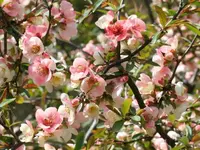
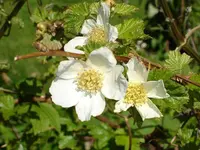
The plant is native to central and western China, where it grows in hillsides and woodland edges. Its showy pink to white blossoms appear before or with the leaves, followed by hard, yellowish fruits used mainly for flavoring or preserves.

Chaenomeles cathayensis is generally hardy and tolerant of cold, making it manageable for many temperate gardens. It prefers sun, moderately moist but well-drained soil, and benefits from basic pruning to care for Cathay Quince.


Main Plant Requirements

Care Difficulty

Moderate Care

Light Preference

Full Sun

Water Requirements

Moderate Water

Temperature Preference

Cold Hardy

Hardiness Zone

6–9

Soil Texture

Sandy, Loamy, Clay

Soil pH

Acidic (5.5–6.5), Slightly acidic (6.5–7.0)

Soil Drainage

Well-drained

Fertilization

Minimal (feed rarely)

Get Personalized Care Plan

Scan your plant to receive care tips personalized for your specific plant

Available on iOS and Android

How to Care for the Cathay Quince

This deciduous shrub thrives in full sun but adapts to light shade in many gardens.

  • Provide 6–8 hours of direct sun daily for strongest flowering and dense growth, ideally with morning sun and some afternoon shade in hotter regions.
  • It tolerates partial shade (3–4 hours sun), but Cathay Quince may bloom less and produce fewer fruits in lower light.
  • In hot summers, protect from intense late-afternoon sun to reduce leaf scorch, and ensure sites remain unshaded by trees or buildings as they leaf out through spring and summer.

This shrub prefers evenly moist, well-drained soil and becomes more drought-tolerant as it matures.

  • Allow the top 3–5 cm of soil to dry before deep watering, then soak the root zone rather than giving frequent light splashes.
  • In the first 1–2 growing seasons, monitor closely during dry spells; wilting new leaves or curling edges indicate thirst, while yellowing leaves and soft stems suggest overwatering.
  • Plant in soil that drains freely; avoid standing water around the crown, and reduce watering in fall and winter when growth slows and rainfall is higher.

This hardy shrub tolerates cold winters and warm summers when temperature changes are gradual.

  • Optimal growth occurs around 60–75°F (16–24°C) during the growing season, once danger of hard frost has passed in spring.
  • Established plants usually tolerate down to about -10°F (-23°C) with good drainage, but young shrubs benefit from mulch to buffer freeze-thaw cycles.
  • In hot regions, it copes with short periods near 90–95°F (32–35°C) if soil moisture is maintained; prolonged extreme heat with dry soil can cause leaf scorch and reduced flowering next season.

Humidity is not a critical factor for Chaenomeles cathayensis, which adapts well to typical outdoor conditions in most temperate regions.

Chaenomeles cathayensis prefers moderately fertile, well-structured soil that stays moist yet drains freely.

  • Use a loamy soil with a mix of mineral particles and organic matter to support both moisture retention and aeration.
  • Aim for a slightly acidic to neutral pH around 6.0–7.0; add garden lime only if soil tests show strong acidity.
  • In heavy clay, improve structure by incorporating coarse sand and well-rotted compost to reduce compaction and surface puddling.
  • Avoid waterlogged, poorly drained, or extremely sandy soils, which can lead to weak growth and increased stress during dry periods.

This species can be grown in containers, but it performs best in large, stable outdoor pots due to its eventual size and vigor.

  • Choose a deep, heavy container that resists tipping, since tall, vigorous shoots can make the plant top-heavy in wind.
  • Select a potting mix that drains quickly yet holds some moisture, such as a bark-based mix with added coarse sand or fine gravel.
  • Raise the container slightly on pot feet or bricks so drainage holes stay clear and excess water exits quickly after rain or watering.

This shrub responds well to modest feeding but does not need heavy fertilization for healthy growth and flowering.

  • Apply a balanced slow-release fertilizer (around 10-10-10) once in early spring as new growth starts for Cathay Quince.
  • Use a light application rate or half-strength compared to heavy-feeding shrubs to avoid excessive leafy growth at the expense of flowers.
  • Supplement with a thin layer of compost around the drip line each spring to improve soil structure and nutrient availability.
  • Skip additional feeding from late summer through winter so growth hardens properly before cold weather.

Thoughtful pruning helps Chaenomeles cathayensis maintain a strong framework and good flowering.

  • Schedule main pruning just after flowering in late spring, when bloom display has finished.
  • Remove dead, diseased, or crossing wood first, then thin the oldest, most congested stems near the base.
  • Shorten overly long shoots to shape the shrub and improve light and air penetration into the canopy.
  • Use sharp bypass pruners or loppers, making clean cuts just above outward-facing buds or at branch junctions.

This species is usually grown in the ground, so focus on careful transplanting rather than frequent repotting.

  • Look for signs such as roots circling the pot, water running off quickly, or slowed growth to judge when a young plant needs a larger container or planting site.
  • Transplant in early spring or early fall, aiming for a cool, moist period that allows root establishment before heat or hard frost.
  • Plan on moving container-grown plants only every 2–3 years, stepping up 1 pot size or shifting to a permanent in-ground position.
  • Water thoroughly before and after moving, keep the root ball intact, and mulch lightly to reduce moisture loss and transplant shock.

Propagation of this shrub is commonly done by seed and semi-ripe cuttings for reliable establishment.

  • Collect ripe fruits in autumn, clean the seeds, and sow them outdoors or in pots; natural winter chilling improves germination.
  • Take semi-ripe cuttings in mid to late summer, 8–10 cm long, from non-flowering shoots.
  • Insert cuttings into a free-draining medium, keep evenly moist, and maintain high humidity with bright, indirect light.
  • Simple layering of low, flexible shoots in spring or early summer can also root well where stems contact moist soil.

Mature plants are fairly cold hardy, so winter care focuses on young or container-grown specimens in harsher climates.

  • Chaenomeles cathayensis tolerates typical temperate frosts once established, especially in well-drained soil.
  • Apply a 5–8 cm mulch layer around the root zone in late fall, keeping it slightly away from the base of stems.
  • For container plants, move pots to a sheltered, unheated spot such as a cold frame, garage, or against a protected wall.

Care Tips

Establish thorn-free access

When planting, orient the shrub so that the most frequently accessed side (path, gate, or work area) has fewer main thorny shoots, and gradually remove or shorten outer-facing thorny branches to maintain a safer working zone for pruning and harvesting fruit.

Train on support

Install a sturdy wire or espalier frame early and loosely tie young shoots with soft ties, guiding 2–4 main branches horizontally to improve light penetration, flower bud formation, and ease of fruit thinning and picking.

Fruit load management

In years of heavy flowering, thin developing fruits so they are spaced about 10–15 cm apart along branches to reduce limb breakage and encourage larger, better-quality fruit.

Winter pest sanitation

In late winter, remove and dispose of mummified fruits, dead twig tips, and leaf litter from under the shrub to reduce overwintering fungal spores and insect eggs before new growth starts, which is an important part of caring for Cathay Quince.

Protect trunk base

Keep grass and mulches pulled 5–8 cm back from the main stems and avoid bumping the base with lawn tools to prevent bark damage that can become an entry point for canker diseases and borers.

Common Pests and Diseases

Fire blight

This disease causes blackened, wilted shoots and blossoms that look scorched, often starting during warm, wet spring weather.

Solution

Prune out infected shoots 20–30 cm below visible damage during dry weather, disinfecting tools between cuts, and remove all blighted flowers and fruit mummies from around the plant; avoid high-nitrogen fertilization and overhead watering, and in areas with a known history of fire blight, discuss preventive spring copper or streptomycin sprays with a local extension service as part of broader Chaenomeles cathayensis care instructions.

Quince rust

This disease produces orange to rusty-brown lesions on leaves, young shoots, and fruit, sometimes with swollen, distorted tissues.

Solution

Remove and destroy infected fruit and twigs, thin dense growth to improve airflow, and avoid wetting foliage when watering; in regions with frequent rust issues, apply a labeled rust-control fungicide at bud break and repeat per product directions, especially if nearby junipers are present as alternate hosts.

Apple scab

This disease causes dark, velvety to corky spots on leaves and fruit, which may lead to premature leaf drop and blemished fruit.

Solution

Collect and discard fallen leaves and affected fruit in autumn to reduce overwintering spores, prune to open the canopy and speed drying after rain, and where scab is persistent, use a registered fungicide beginning at leaf emergence and continuing through the main infection period as directed.

Scale insects

These insects appear as small, immobile bumps on stems and sometimes leaves, feeding on sap and leading to weakened growth and sticky honeydew deposits.

Solution

Scrape off light infestations by hand or with a soft brush, then wash stems with a mild soap solution; for heavier infestations, use horticultural oil during the dormant season or summer oil sprays on actively growing plants, coating all stem surfaces thoroughly.

Aphids

These insects cluster on young shoots and undersides of leaves, sucking sap and causing leaf curling, distortion, and sticky honeydew that can lead to sooty mold growth.

Solution

Spray infested shoots with a strong stream of water to dislodge aphids, then follow with insecticidal soap or horticultural oil, ensuring full coverage of new growth; encourage natural predators like lady beetles by minimizing broad-spectrum insecticide use nearby.

Interesting Facts

Large spiny shrub

This species forms a vigorous, upright shrub that can exceed 3–4 m in height and carries stout, sharp thorns along its branches, which likely provide protection from browsing animals in its native habitats of central and western China.

Aromatic, hard fruits

It produces large, oval to pear-shaped fruits with a very hard, acidic flesh and a strong, pleasant fragrance; in East Asia these aromatic fruits are often used cooked, candied, or for flavoring beverages rather than eaten raw.

Early spring blossoms

The pale pink to white flowers appear on bare or nearly leafless shoots in early spring, providing nectar and pollen for early-season pollinators before many other woody plants have started to bloom.

Botan icon

Did you know?

Genetic and morphological studies suggest that this species, along with a few related taxa, has been important for breeding ornamental and fruiting quince hybrids, contributing its large fruit size and vigorous growth habit to modern cultivated forms.

FAQs about Cathay Quince

Poor flowering is often linked to heavy pruning at the wrong time, lack of winter chill, or excess shade. Prune just after flowering, avoid strong nitrogen feeds, and ensure the shrub receives a cool dormant period outdoors.

Grow Healthy Plants with Botan Care

Keep your plants happy and healthy with plant identification, disease detection, and easy care guidance.

Botan plant care app — identify plants on mobile

Explore More Plants