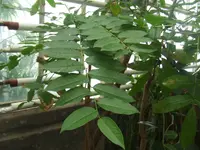
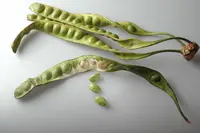
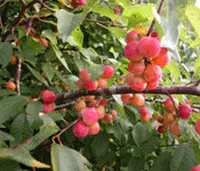
red stopper Care (Eugenia rhombea)

red stopper

About red stopper

Red stopper, Eugenia rhombea, is a small evergreen tree or large shrub from coastal forests and thickets in Florida, the Caribbean, and parts of Central America. It belongs to the myrtle family and is related to many ornamental and fruiting Eugenia species.

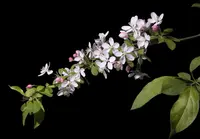
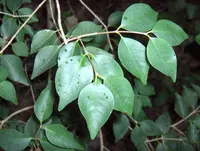
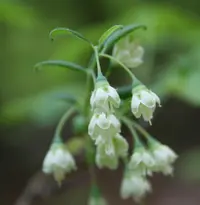
Plants form dense, rounded crowns with stiff, opposite leaves that are typically rhombus-shaped, and small white flowers followed by red to purple berries. The foliage and branching habit make it suitable for screening, hedging, or training as a specimen.

Its moderate growth rate and tolerance of pruning make it manageable for home landscapes, though it prefers bright light, regular moisture, and well-drained soil. These traits generally make it straightforward to care for red stopper in suitable warm climates.

Main Plant Requirements

Care Difficulty

Moderate Care

Light Preference

Partial Shade

Water Requirements

Moderate Water

Temperature Preference

Tropical / Frost Sensitive

Hardiness Zone

10–11

Soil Texture

Sandy, Loamy, Organic-rich

Soil pH

Acidic (5.5–6.5), Slightly acidic (6.5–7.0)

Soil Drainage

Moist but well-drained

Fertilization

Minimal (feed rarely)

Get Personalized Care Plan

Scan your plant to receive care tips personalized for your specific plant

Available on iOS and Android

How to Care for the red stopper

Eugenia rhombea prefers bright, stable light similar to its native coastal thickets.

  • Provide 4–6 hours of direct morning sun with light afternoon shade; strong late-day sun in hot climates can scorch young foliage on red stopper.
  • Plant in a position with partial shade (about 30–50% filtered light) if summers are intense, especially inland or in USDA zones 9–10.
  • Monitor growth: sparse foliage and long, weak shoots indicate too little light, while crisp leaf edges and yellow patches signal excess sun exposure.

This species prefers evenly moist but not waterlogged soil, especially while establishing.

  • Allow the top 3–5 cm of soil to dry slightly before deep watering, then moisten the root zone rather than giving light, frequent sprinkles.
  • In hot, dry periods, expect to water more often as leaves may soften or curl slightly when the plant needs moisture; reduce frequency in cool or rainy seasons.
  • Use well-drained, slightly sandy soil so water moves through within a few seconds; persistent puddling, sour odor, or blackened roots indicate overwatering in Eugenia rhombea.

This coastal shrub prefers warm, frost-free conditions for reliable growth and flowering.

  • Aim for 65–85°F (18–29°C) for active growth, with best performance near the middle of this range in mild, maritime climates.
  • Protect from cold: growth slows below 55°F (13°C), foliage can be damaged near 32°F (0°C), and hard frost may kill young shoots or tips.
  • The plant tolerates brief heat up to about 95°F (35°C) if soil moisture is stable and roots are mulched, but prolonged extreme heat increases stress and water demand.

This species prefers moderately humid air and reacts if conditions become very dry.

  • Aim for 50–70% humidity, as prolonged air below 40% can slow growth and cause leaf issues.
  • Tolerates short dry spells indoors, but expect leaf-edge browning and tip dieback if air stays very dry.
  • For red stopper, group plants, use a pebble tray, or run a small humidifier near the plant rather than misting leaves heavily.

Eugenia rhombea grows best in evenly moist, well-aerated, slightly acidic to neutral soil.

  • Use a loamy mix combining roughly 40% peat or coco coir, 40% compost, and 20% perlite or coarse sand for structure and drainage.
  • Aim for pH 6.0–7.0; overly alkaline soil can reduce nutrient uptake and cause pale, chlorotic leaves.
  • Ensure brisk drainage so water does not pool around roots, which are sensitive to waterlogging and low oxygen.
  • Improve aeration in heavy garden soil by incorporating pine bark fines, coarse sand, or additional perlite before planting.

This species adapts well to container growing when root space and drainage are managed carefully.

  • Choose a deep, heavy pot so the woody canopy does not tip in wind and the root system can anchor securely.
  • Select a container material that matches the climate; terracotta dries faster in humid regions, while plastic retains moisture longer in hot, dry areas.
  • Raise the pot slightly on feet or bricks so drainage holes stay clear and excess water exits quickly after rain or irrigation.

This coastal native needs only light feeding, but responds to modest nutrition in poor soils.

  • Use a balanced slow-release fertilizer (around 10-10-10 NPK) or thin compost layer in spring for caring for red stopper.
  • Apply once at the start of the warm growing season; a second light dose in mid-summer is enough for containers.
  • Dilute liquid fertilizer to 1/2–1/4 strength if using instead of granular products, especially for young plants.
  • Stop feeding in late summer so Eugenia rhombea can harden off before cooler weather.

Pruning helps maintain a dense, healthy framework and encourages good branching.

  • Best time to prune Eugenia rhombea is late winter to early spring, before vigorous new growth starts.
  • Remove dead, diseased, rubbing, or crossing branches first, cutting back to a healthy outward-facing bud or branch union.
  • Shorten overly long shoots to shape the canopy and improve light and air penetration into the interior.
  • Use clean, sharp bypass pruners or loppers and disinfect blades between cuts on suspect diseased wood.

This species is most often grown in the ground, but young or container plants sometimes need transplanting.

  • Plan major transplanting or any pot up in late winter to early spring, before the main flush of growth.
  • Look for roots circling the pot, slow growth, or rapid drying of the soil as signs it needs more space, usually every 2–3 years in containers.
  • Water thoroughly 1–2 days before moving, then slide the root ball out gently and loosen only the outer circling roots.
  • Replant at the same depth, firm soil lightly, water well, then shade and shelter for 1–2 weeks to reduce transplant shock.

New Eugenia rhombea plants are usually started from semi-ripe cuttings or seeds under warm, stable conditions.

  • Take semi-ripe stem cuttings in late spring to mid-summer, 8–12 cm long, with 2–3 leaf pairs.
  • Remove lower leaves, dip the base in rooting hormone, and place in a moist, well-draining mix under bright, indirect light.
  • Maintain 70–80°F, high humidity, and barely moist substrate until roots form, often in several weeks.
  • Sow fresh seed in a similar mix, cover lightly, keep warm and evenly moist, and expect slower, variable germination.

This subtropical species dislikes hard frost and benefits from simple winter precautions in cooler regions.

  • In USDA zones colder than 9, grow in containers and move plants indoors or into a bright, frost-free shelter before nights drop near 32°F.
  • In the ground, apply a 5–8 cm mulch layer around the root zone, keeping it slightly away from the trunk.
  • Avoid heavy pruning or high-nitrogen feeding late in the season, which can leave new growth more vulnerable to freezing.

Care Tips

Salt-spray management

In coastal gardens, hose the foliage with fresh water every 2–4 weeks during dry, windy periods to wash off salt deposits that can scorch new growth and reduce vigor.

Wildlife browsing control

In deer- or rabbit-prone areas, use a sturdy wire mesh cylinder around young plants for the first 2–3 years to protect the lower framework from being repeatedly eaten back.

Screen and hedge shaping

For dense privacy hedges, lightly tip-prune the outer 2–4 cm of new shoots 2–3 times per growing season instead of making heavy cuts once a year, which encourages a tight, wind-resistant structure.

Root-zone cooling

In hot, reflective sites near pavement or walls, apply a 5–8 cm layer of organic mulch over the root zone, leaving a 5 cm gap from the trunk, to keep roots cooler and reduce heat stress on the canopy.

Storm-readiness pruning

In hurricane- or cyclone-prone regions, thin out crossing and overly long branches every 1–2 years to reduce wind resistance and lower the risk of major limb breakage when growing red stopper outdoors.

Common Pests and Diseases

Myrtle rust

This disease causes bright yellow powdery pustules on young leaves, shoots, and sometimes fruit, leading to leaf distortion and dieback in tender growth. Symptoms include premature leaf drop and sparse, thinning canopies on stressed plants.

Solution

Remove and dispose of infected shoots promptly, avoiding composting, and disinfect pruning tools after each cut. Improve air circulation, avoid overhead watering, and where myrtle rust is established, use a myrtle-safe systemic fungicide according to label directions as part of careful Eugenia rhombea care instructions.

Cercospora leaf spot

This disease produces small, dark, circular leaf spots often with light centers, which can merge to create larger blotches and general yellowing. Symptoms include gradual defoliation from the lower branches upward under warm, humid conditions.

Solution

Prune out heavily affected twigs, collect and discard fallen leaves, and irrigate at soil level to keep foliage dry. In recurrent cases, apply a copper-based or other labeled foliar fungicide during warm, wet periods and ensure good spacing and airflow around the plant.

Scale insects

These insects appear as small, dome-shaped or flat bumps on stems and leaf midribs, often producing sticky honeydew that attracts sooty mold. This pest can cause yellowing leaves, stunted growth, and branch dieback in severe infestations.

Solution

Wipe or gently scrub accessible stems with a cloth or soft brush dipped in water with a small amount of mild soap, then rinse foliage. For persistent colonies, use horticultural oil or a labeled systemic insecticide, making sure to repeat treatments to target newly hatched crawlers.

Myrtle psyllid

This pest causes cupped, distorted, or blistered young leaves and can leave sugary droplets on foliage. These insects feed on new growth and may slow extension growth when populations are high.

Solution

Prune and discard heavily distorted shoot tips to remove many nymphs, then monitor new flushes closely. Encourage natural predators, avoid high-nitrogen fertilization that promotes very soft growth, and use insecticidal soap or horticultural oil on young infestations, ensuring thorough coverage of leaf undersides.

Interesting Facts

Native island shrub

This species is naturally found in coastal thickets and dry forests of the northern Caribbean, including the Bahamas, Cayman Islands, and parts of Cuba and Jamaica, where it forms dense, shrubby stands.

Key deer food source

On Big Pine Key in Florida, its fruits and foliage are an important natural food for the endangered Key deer (Odocoileus virginianus clavium), contributing to both browse and seasonal fruit in their diet.

Coastal wind tolerance

The plant is adapted to exposed coastal conditions and can tolerate salt-laden winds, which allows it to persist in shoreline habitats where less tolerant woody species cannot compete.

FAQs about red stopper

Growth is moderate. In warm climates with regular moisture and pruning, this shrub often extends 20–40 cm per year, sometimes more when young, then slows as it matures and forms a denser canopy.

Grow Healthy Plants with Botan Care

Keep your plants happy and healthy with plant identification, disease detection, and easy care guidance.

Botan plant care app — identify plants on mobile

Explore More Plants