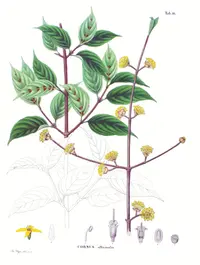
Silver Wattle Care (Acacia dealbata)

Also known as: Blue Wattle, golden mimosa
Silver Wattle

About Silver Wattle

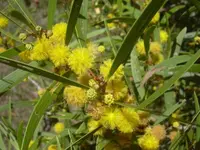
Silver wattle, Acacia dealbata, is a fast-growing evergreen tree from southeastern Australia, often used as an ornamental or shelter tree in mild climates. It forms a graceful, rounded crown with finely divided, silvery-blue foliage and produces fragrant, golden-yellow pompom flowers in late winter or early spring.

In its native range it often colonizes disturbed, sunny sites and can form thickets. This vigorous growth makes it relatively easy to establish but also potentially invasive in suitable climates.

It prefers full sun, well-drained soil, and moderate moisture, and dislikes heavy, waterlogged ground. Understanding these habits helps gardeners learn how to care for Silver Wattle in home landscapes.

Main Plant Requirements

Care Difficulty

Moderate Care

Light Preference

Full Sun

Water Requirements

Moderate Water

Temperature Preference

Warm Climate

Hardiness Zone

8–11

Soil Texture

Sandy, Loamy, Rocky

Soil pH

Acidic (5.5–6.5), Slightly acidic (6.5–7.0)

Soil Drainage

Well-drained

Fertilization

Minimal (feed rarely)

Get Personalized Care Plan

Scan your plant to receive care tips personalized for your specific plant

Available on iOS and Android

How to Care for the Silver Wattle

Acacia dealbata grows best in bright, open conditions with several hours of direct sun each day.

  • Provide 6–8 hours of direct sun daily, ideally with morning sun and some light afternoon shade in very hot, dry climates.
  • Tolerates light or high bright partial shade, but flowering and dense growth decline if it receives less than about 4 hours of direct light.
  • In summer, protect young trees from intense, reflected afternoon sun to reduce leaf scorch; in winter, ensure unshaded exposure to maximize low-angle light.

Acacia dealbata prefers moderately dry conditions and is sensitive to poor drainage.

  • Water deeply only when the top 5–8 cm of soil are dry, allowing moisture to penetrate the root zone, then let the soil dry again.
  • Reduce watering in autumn and winter, especially in cooler or rainy climates, to prevent root rot in this drought-tolerant species.
  • Signs of overwatering include yellowing, soft foliage and dieback, while persistent leaf drop and brittle, dry twigs suggest extended underwatering.

This species is adapted to mild, Mediterranean-type climates with cool winters and warm, dry summers.

  • Optimal growth occurs around 60–77°F (16–25°C), with stable, moderate temperatures supporting strong vegetative growth and flowering.
  • Mature trees tolerate brief drops to about 20–23°F (-6 to -5°C), but young plants are damaged by light frosts; use frost cloth during cold snaps.
  • Handles dry heat up to 95°F (35°C) if roots are established and soil is not waterlogged, but prolonged extremes above this can stress foliage and buds.

This species tolerates a wide humidity range and rarely needs special humidity management.

  • Acacia dealbata grows well at 30–60% humidity and adapts to typical indoor and outdoor air levels.
  • It copes with dry air but prolonged very low humidity can cause browning leaf tips and increased leaf drop on younger plants.
  • If air is extremely dry, modestly increase humidity with nearby water trays or grouped plants, but prioritize light and watering over humidity adjustments when caring for Silver Wattle.

Acacia dealbata prefers free-draining, moderately fertile soil with plenty of air around the roots.

  • Use a sandy or loamy base with about 60–70% mineral material and 30–40% organic matter such as composted bark or well-aged compost.
  • Ensure very sharp drainage by blending coarse sand or fine gravel plus a small amount of perlite to prevent waterlogging.
  • Aim for slightly acidic to neutral pH, roughly pH 6.0–7.0, avoiding strongly alkaline or saline soils that restrict nutrient uptake.
  • Avoid compacted clay, peat-heavy mixes that stay wet, or any soil that forms puddles, as this species is prone to root problems in saturated conditions.

This species can be grown in containers, but only with careful management to support its size and fast growth.

  • Choose a wide, heavy container to reduce the risk of tipping because the tall canopy can make the plant top-heavy in wind.
  • Select a potting mix formulated for shrubs or trees and lighten it with 20–30% coarse sand or grit to keep drainage very fast.
  • Raise the container slightly on pot feet or bricks so drainage holes stay clear and excess water exits quickly after rain or watering.

Acacia dealbata grows acceptably in poor soils but benefits from light, targeted feeding in containers or lean garden beds.

  • Use a balanced, slow-release fertilizer (around 10-10-10) or well-rotted compost at the start of spring growth.
  • Feed container plants every 6–8 weeks during the growing season at half the label strength.
  • Avoid high-nitrogen lawn fertilizers, which can cause weak, lush growth and fewer flowers.
  • Stop feeding in late summer so Silver Wattle hardens growth before winter.

Thoughtful pruning helps Acacia dealbata maintain a stable framework and reliable flowering.

  • Carry out main pruning just after flowering in late winter or very early spring.
  • Remove dead, damaged, crossing, or congested branches first to improve airflow and light penetration.
  • Shorten overly long shoots to shape the crown and keep height manageable without heavy stubbing cuts.
  • Use clean, sharp bypass pruners or a pruning saw, cutting just above a bud or branch junction.

This species is usually grown in the ground, so focus on careful transplanting of young trees rather than frequent repotting.

  • Transplant in late winter to early spring when growth is just restarting and stress is lower.
  • Look for root circling in containers, poor drainage, or slowed growth as signs a move is needed.
  • Shift into the ground or a container only 1–2 sizes larger, keeping the root ball intact and slightly moist.
  • Water deeply after planting, shade lightly for 1–2 weeks, and avoid heavy pruning at the same time to reduce shock.

New Acacia dealbata plants are most commonly raised from seed, with cuttings used less often.

  • Sow seed in late winter or early spring after scarifying and briefly soaking in hot (not boiling) water to break hard coats.
  • Use a free-draining, sandy mix, keep at 65–75°F, and maintain even moisture without waterlogging.
  • Provide bright light and good air movement to limit damping-off and encourage sturdy seedlings.
  • Semi-ripe cuttings in late summer can root in a warm, humid propagator using a well-drained medium.

In mild climates this tree is moderately frost tolerant, but extra winter care is needed in colder areas for reliable survival.

  • Young or marginally hardy plants benefit from a 5–8 cm mulch layer around the root zone, kept away from the trunk.
  • In regions below about 20°F, grow Acacia dealbata in large containers that can be moved into a cool, bright, frost-free space.
  • Use breathable fleece or burlap around young stems during severe cold snaps to limit bark and bud damage.

Care Tips

Wind‑firm training

In the first 2–3 years, stake young trees on the windward side and gradually loosen ties every 6–12 months so the trunk flexes and thickens, reducing the risk of storm damage later.


Root‑zone protection

Keep a clear, unplanted ring of 30–60 cm around the trunk, using a light mulch layer instead of turf or heavy groundcovers, to limit root disturbance and trunk damage from mowing or edging.

Nitrogen‑smart planting

Avoid planting other nitrogen‑fixing species right beside it and choose companions that prefer slightly lean, free‑draining soil so the tree’s own nitrogen fixation does not push nearby plants into overly lush, weak growth.

Flowering wood management

After flowering, selectively thin out some of the oldest, leggy branches rather than shearing the canopy, which encourages strong new shoots that carry more flower buds the following season.

Self‑seeding control

In regions where growing Silver Wattle can become invasive, remove spent flower heads before seed pods mature and promptly pull any unwanted seedlings in surrounding beds or paths.

Common Pests and Diseases

Acacia psyllids

These insects feed on young shoots and foliage, causing yellowing, cupping, and distortion, and may produce sticky honeydew that encourages sooty mold growth. This pest is particularly common on ornamental silver wattle in mild climates.

Solution

Prune out heavily infested shoot tips and dispose of them, then hose down foliage with a strong stream of water to remove nymphs. If needed, apply a horticultural oil or insecticidal soap targeting the undersides of leaves, and avoid high-nitrogen fertilization that pushes very soft new growth.

Gall wasps

These insects induce swollen, woody galls on stems and branches, which can distort growth and, when abundant, weaken sections of the canopy. Symptoms include knobbly swellings and occasional dieback beyond the gall.

Solution

Prune off and destroy galled twigs and branches during dry weather, cutting back to healthy wood. Maintain overall tree vigor with proper watering and mulching so the plant can compartmentalize damaged tissue and better tolerate minor infestations.

Armillaria root disease

This disease is caused by Armillaria fungi, which attack roots and lower stems, leading to gradual decline, sparse foliage, yellowing, and dieback. Symptoms include white fungal sheets under the bark at the root collar and, in some regions, clusters of honey-colored mushrooms near the base.

Solution

Remove severely affected trees including as much root material as possible, since the fungus persists in woody debris. Replant with non-susceptible species in contaminated sites and avoid overwatering or planting Acacia dealbata in poorly drained, previously infected soil.

Phytophthora collar rot

This disease affects the root collar and lower stem in poorly drained or overwatered sites, causing bark discoloration, oozing lesions, wilting, and rapid decline in young trees. Symptoms include browning of inner bark at the soil line when the outer bark is scraped.

Solution

Improve drainage, avoid water pooling around the trunk, and remove soil or mulch piled against the stem to keep the collar dry. In early cases, reducing irrigation and improving aeration may slow progression; severely affected plants are best removed and destroyed, and the site should not be replanted with another susceptible acacia.

Leaf spot fungi

This disease group includes several fungi that cause small brown, tan, or purplish spots on leaves, sometimes with yellow halos and premature leaf drop, especially in humid or crowded plantings. Symptoms include cosmetic spotting at first, which can progress to thinning foliage on stressed trees.

Solution

Rake and remove fallen leaves, thin crowded branches to improve airflow, and avoid overhead irrigation that keeps foliage wet. For valuable specimens with recurring issues, a targeted fungicide labeled for ornamental trees can be applied at the start of wet periods, following product instructions as part of broader Acacia dealbata care.

Interesting Facts

Late winter flowering

In its native southeastern Australia, this species flowers in late winter to early spring, producing dense clusters of small, fragrant, bright yellow flower heads when many other plants are still dormant.

Sensitive to frost

Although often marketed as relatively hardy, this species is notably vulnerable to prolonged frost and cold winds, which can damage young growth and flower buds.

Nitrogen-fixing partner

Like many legumes, this tree forms root nodules containing symbiotic bacteria that convert atmospheric nitrogen into plant-available forms, helping it colonize poor soils and subtly improve soil fertility around its root zone.

Botan icon

Did you know?

In several European countries, especially France and Italy, this species has become a notable cut flower crop; its fragrant, golden flower sprays are harvested in winter and early spring and are widely used for seasonal festivals and as a symbol of the arrival of spring.

FAQs about Silver Wattle

This species is notably fast-growing. In suitable outdoor conditions it can add 60–90 cm of height per year, sometimes more when young. Growth slows as it matures and in restricted or poor sites.

Grow Healthy Plants with Botan Care

Keep your plants happy and healthy with plant identification, disease detection, and easy care guidance.


Botan plant care app — identify plants on mobile

Explore More Plants