Rotate For Symmetry
Turn the pot 90° every 1–2 weeks so all sides receive similar light, which encourages even branching and prevents the plant from leaning heavily to one side when growing Red Leea.

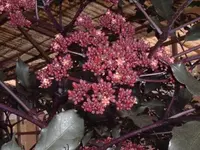
Red leea (Leea rubra) is a tropical shrub grown for its deep red to bronze foliage and clusters of small, bright berries. It is usually compact to medium-sized, with a bushy habit and divided leaves that give it a fine, almost fern-like texture.
This species is native to parts of Southeast Asia and the Pacific, where it grows in warm, humid forest edges and understories. It can be moderately demanding, as it prefers consistent moisture, well-drained soil, and protection from harsh, direct sun.
Once its needs are understood, it becomes easier to care for Red Leea and maintain strong color and healthy growth in suitable indoor or sheltered outdoor conditions.

Care Difficulty
Moderate Care

Light Preference
Partial Shade

Water Requirements
Keep Soil Moist

Temperature Preference
Tropical / Frost Sensitive

Hardiness Zone
10–11

Soil Texture
Loamy, Sandy, Organic-rich

Soil pH
Acidic (5.5–6.5), Slightly acidic (6.5–7.0)

Soil Drainage
Moist but well-drained

Fertilization
Light (every 4–6 weeks)
Scan your plant to receive care tips personalized for your specific plant
Available on iOS and Android
Leea rubra grows best with bright, indirect light and some gentle direct sun.
Leea rubra prefers consistently moist but not waterlogged soil.
This species thrives in warm, frost-free conditions typical of subtropical gardens.
This species benefits from moderately high humidity, especially in heated or air-conditioned homes.
Leea rubra prefers a loose, organic-rich, well-drained mix that stays evenly moist without becoming waterlogged.
This species is well suited to container growing when the pot supports its upright, shrubby habit.
Balanced feeding supports compact growth and rich leaf color in Red Leea.
Thoughtful pruning keeps Leea rubra dense, bushy, and healthy.
Container-grown plants appreciate occasional repotting to maintain vigorous Leea rubra growth.
Leea rubra is most often propagated from semi-ripe stem cuttings.
Cold-sensitive plants need thoughtful winter care in regions with frost or prolonged cool periods.

Plant Health Check
Not sure what's wrong with your plant? Check your plant's health inside the app.
Young leaves often emerge bright red and gradually turn deep green as they mature, a change linked to protective pigments called anthocyanins that shield tender tissues from strong light and herbivores.
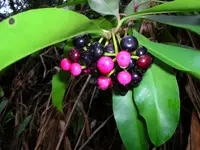
After flowering, it produces dense clusters of small, red to purplish berries that are eaten by many fruit-eating birds, helping disperse its seeds through surrounding forests.
This species naturally occurs in the shaded understory of tropical and subtropical forests in South and Southeast Asia, where it grows as a multi-stemmed shrub along forest margins and stream edges.

Genetic and morphological studies have led botanists to place this species in the small family Vitaceae, making it a close relative of grapes and other vining relatives despite its shrub-like growth form.
Brown leaf edges usually indicate low humidity, underwatering, or excess fertilizer salts. Check soil moisture, flush the pot with clean water if fertilizer buildup is suspected, and raise humidity slightly with a tray of damp pebbles nearby.
Keep your plants happy and healthy with plant identification, disease detection, and easy care guidance.