Rotate For Symmetry
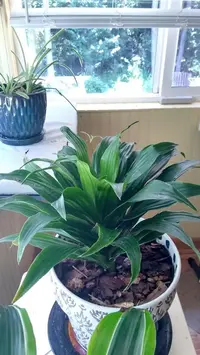
Turn the pot 90° every 1–2 weeks so the rosette stays balanced and does not lean toward the light, which keeps flowering stems upright and reduces the risk of breakage.

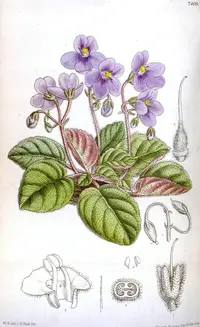
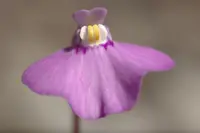
Streptocarpus ionanthus, commonly known as African violet, is a compact flowering houseplant grown mainly for its colorful, velvety blooms and soft, rounded leaves. It typically forms a low rosette and suits windowsills and small indoor spaces.
In nature it occurs in parts of eastern Africa, often in shaded, humid habitats such as rocky ledges and forest edges. These origins explain its preference for bright, indirect light, even moisture, and a freely draining, airy potting mix.
It is considered moderately easy to grow once its basic needs are understood, making it popular for both beginners and collectors learning how to care for African Violet.

Care Difficulty
Moderate Care

Light Preference
Bright Indirect Light

Water Requirements
Moderate Water

Temperature Preference
Tropical / Frost Sensitive

Hardiness Zone
11–12

Soil Texture
Loamy, Peaty, Organic-rich

Soil pH
Acidic (5.5–6.5), Slightly acidic (6.5–7.0)

Soil Drainage
Moist but well-drained

Fertilization
Moderate (every 2–4 weeks)
Scan your plant to receive care tips personalized for your specific plant
Available on iOS and Android
Streptocarpus ionanthus prefers bright, gentle light that mimics an east-facing windowsill or lightly shaded outdoor spot.
Streptocarpus ionanthus needs evenly moist but never soggy soil, with careful adjustment across seasons.
This species prefers mild, stable temperatures similar to a warm, shaded understory environment.
This species prefers moderate, stable humidity and reacts quickly to very dry air.
This plant needs a light, porous, organic-rich medium that drains quickly yet retains some moisture.
This species is well suited to container growing due to its compact root system.
Streptocarpus ionanthus benefits from light, consistent feeding during active growth for steady flowering.
Pruning Streptocarpus ionanthus is light and mainly focused on cleanliness and encouraging new blooms.
This species prefers slightly snug pots and only needs repotting when clearly rootbound or declining.
Streptocarpus ionanthus is commonly propagated from leaf cuttings for true-to-type new plants.
This tropical species is not frost hardy and needs mild, stable indoor conditions in winter.

Plant Health Check
Not sure what's wrong with your plant? Check your plant's health inside the app.
This species was long treated under the African violet genus Saintpaulia, but molecular studies showed that Saintpaulia was nested within Streptocarpus, so it is now classified as Streptocarpus ionanthus while retaining its familiar African violet identity in cultivation.
In the wild, this plant grows on shaded, humid rock faces and leaf litter in Tanzanian montane and cloud forests, where cool, stable temperatures and filtered light shape its compact rosette growth and preference for even moisture.
Under suitable conditions, individual rosettes can produce flushes of violet to bluish flowers repeatedly through the year rather than in a single short blooming season, which is one reason it became a classic windowsill ornamental.

Streptocarpus ionanthus has been the parent species for hundreds of modern African violet cultivars, making it one of the most influential wild plants in ornamental breeding despite its relatively small and localized natural range in Tanzania.
Lack of blooms usually comes from insufficient light, depleted fertilizer, or a crowded root system. Old flowers left in place and very old outer leaves also reduce flowering, so regular deadheading and leaf thinning help restore bloom cycles.
Keep your plants happy and healthy with plant identification, disease detection, and easy care guidance.