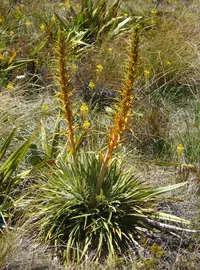
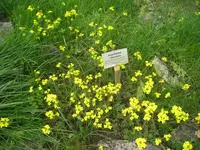
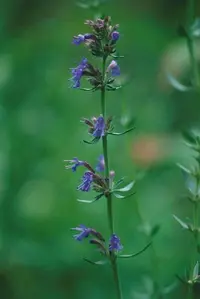
pakaha Care (Lepechinia hastata)

Also known as: Baja Pitcher Sage, False Salvia, Cape Pitcher Sage, Island Pitcher Sage
pakaha

About pakaha

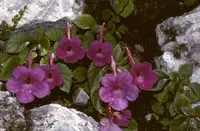
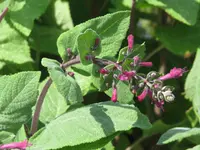
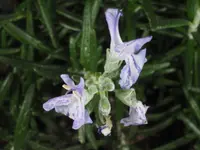
Lepechinia hastata, often called pakaha or Mexican pitcher sage, is a woody perennial from the mint family with aromatic foliage and upright stems. It forms a shrubby clump with felted, gray-green, triangular leaves and tall spikes of tubular purple to lavender flowers that attract bees and hummingbirds.

This species is native to dry, rocky slopes in Mexico and parts of the southwestern United States, so it copes well with heat and seasonal drought. It is generally considered easy to grow in mild climates, as long as it has good drainage and is not overwatered.

Those learning how to care for pakaha should note that it prefers full sun, lean soil, and low to moderate moisture once established.

Main Plant Requirements

Care Difficulty

Moderate Care

Light Preference

Full Sun

Water Requirements

Low Water

Temperature Preference

Warm Climate

Hardiness Zone

9–11

Soil Texture

Sandy, Loamy, Rocky

Soil pH

Slightly acidic (6.5–7.0), Neutral (7.0)

Soil Drainage

Well-drained

Fertilization

Minimal (feed rarely)

Get Personalized Care Plan

Scan your plant to receive care tips personalized for your specific plant

Available on iOS and Android

How to Care for the pakaha

Lepechinia hastata prefers bright, open conditions similar to dry, sunny slopes in its native range.

  • Provide 6–8 hours of direct sun, ideally strong morning to early afternoon sun, with some light afternoon shade in very hot, dry climates.
  • Pakaha tolerates light or dappled shade for part of the day, but dense shade leads to leggy growth, weak stems, and reduced flowering.
  • In summer, monitor for leaf scorch or curling in intense heat; in winter, ensure at least 4–5 hours of sun to maintain compact growth.

This species prefers dry to moderately moist soil and is sensitive to prolonged saturation.

  • Allow the top 5–7 cm of soil to dry before watering; in the ground, water deeply but infrequently so moisture reaches 15–20 cm down.
  • Reduce watering in cool seasons; in hot, dry periods, increase frequency only if leaves droop and soil is dry well below the surface.
  • Ensure sharply drained soil; signs of overwatering include yellowing lower leaves and soft stems, while crisp leaf edges and wilting in dry soil indicate underwatering in Lepechinia hastata.

This plant thrives in mild, dry climates with warm days and cool, but not freezing, nights.

  • Optimal growth occurs around 65–80°F (18–27°C), with best flowering and foliage quality under stable, moderate warmth.
  • It tolerates brief drops to about 25–28°F (-4 to -2°C), but repeated hard frosts can damage stems and kill new growth buds.
  • In hot regions, it handles up to 95°F (35°C) if soil is not waterlogged and roots are mulched; protect from cold winter winds and heavy frost pockets.

This species tolerates relatively dry air and usually does not need special humidity management indoors or outdoors.

  • Aim for 30–50% humidity, which is typical of most heated or air-conditioned homes.
  • Leaves may curl or develop dry, crisp edges under very hot, extremely dry conditions for extended periods.
  • If air is exceptionally dry, group pakaha with other plants or place the pot on a wide pebble tray with water below the pot base.

Lepechinia hastata prefers sharply drained, moderately fertile soil that mimics a dry, rocky habitat.

  • Use a sandy or gritty loam with 30–50% mineral material such as coarse sand, small gravel, or pumice for strong drainage.
  • In containers, mix roughly 2 parts all-purpose potting mix with 1 part perlite or pumice and 1 part coarse sand to increase aeration.
  • Keep soil slightly on the alkaline to neutral side (about pH 6.8–7.5); avoid strongly acidic, peat-heavy mixes that stay wet.
  • Do not plant in low, water-collecting spots or heavy clay; standing water and prolonged saturation quickly lead to root decline.

This species adapts well to container growing where climates are cold or soil drainage is poor.

  • Choose a wide, heavy container that resists tipping, as the mature top growth can be tall and wind-sensitive.
  • Select a pot at least 30–40 cm deep to accommodate the root system and reduce midday wilting stress.
  • Use a fast-draining mix and elevate the pot on feet so drainage holes stay clear and water cannot pool under the base.

Lepechinia hastata usually grows well in lean soils, but light feeding improves container and garden performance when caring for pakaha.

  • Use a balanced, slow-release fertilizer (for example, 10-10-10) or a thin layer of compost in spring as new growth starts.
  • Feed every 6–8 weeks during the growing season, avoiding heavy nitrogen that encourages weak, leafy growth.
  • Apply at half the label rate or further diluted for containers to prevent root burn and salt buildup.
  • Stop fertilizing in late summer so growth can harden before winter dormancy.

Lepechinia hastata responds well to light, periodic pruning that maintains shape and flowering wood.

  • Prune in late winter or very early spring before vigorous new growth begins.
  • Remove dead, damaged, crossing, or congested stems to open the center and improve airflow.
  • Lightly shorten leggy shoots after flowering to keep a compact, bushy form and encourage more blooms next season.
  • Use clean, sharp hand pruners and make cuts just above a leaf node to reduce dieback.

This shrub is more often transplanted in the landscape than repotted, but container plants still need periodic size upgrades.

  • Check for roots circling the pot, crowded drainage holes, or slowed growth as signs it needs more space.
  • Plan transplanting or repotting for early spring or early fall when temperatures are mild and soil is workable.
  • Repot outdoor containers every 2–3 years into a pot 2–5 cm wider, using a well-drained, gritty mix.
  • Water thoroughly before and after moving, keep roots shaded, and trim only lightly to limit transplant shock.

New Lepechinia hastata plants are most often produced from semi-ripe cuttings or seeds.

  • Take 7–10 cm semi-ripe stem cuttings in late spring or summer, removing lower leaves and any flower buds.
  • Insert cuttings into a free-draining mix, keep slightly moist, and maintain bright, indirect light and high humidity.
  • Use a rooting hormone on cuttings to improve success and reduce rot risk.
  • Sow fresh seeds on the surface of a well-drained mix, keep lightly moist, and provide warmth for even germination.

This species is somewhat frost tolerant in mild climates but benefits from basic winter precautions in colder regions.

  • In-ground plants usually handle light frost but may be damaged below about 25°F, especially when young.
  • Apply a 5–8 cm mulch layer around the root zone in late fall, keeping it slightly away from the stems.
  • In areas with hard freezes, grow in containers and move plants to a bright, cool, frost-free space for winter.

Care Tips

Encourage Compact Habit

Pinch back soft shoot tips in late spring to encourage a denser, more wind‑resistant shrub form and reduce the risk of stems snapping under their own weight when in full flower.

Strategic Wind Protection

Site plants where they receive some protection from prevailing winds or use low, permeable windbreaks so tall, brittle stems do not lodge or break during storms.

Seasonal Woody Renewal

Every 2–3 years, remove 1–3 of the oldest woody stems at the base in late winter to maintain vigorous new growth and consistent flowering on younger shoots.

Pollinator-Friendly Placement

Plant near other long-blooming nectar sources and avoid broad-spectrum insecticides nearby to support pollinators that in turn improve seed set for future propagation when growing pakaha.

Low-Water Root Training

In the first year, water deeply but infrequently rather than little and often to encourage deep root development that improves long-term drought resilience in dry gardens.

Common Pests and Diseases

Spider mites

This pest thrives in hot, dry conditions and can cause stippled, dull foliage and fine webbing on leaves and stems.

Solution

Rinse foliage thoroughly with a strong but controlled stream of water, then increase humidity around the plant and improve airflow; if mites persist, apply insecticidal soap or horticultural oil to the undersides of leaves, repeating every 7–10 days until activity stops.

Leafhoppers

These insects feed on young shoots and leaves, causing pale speckling, leaf curling, and sometimes a general decline in vigor.

Solution

Reduce weed hosts near the plant, avoid overhead watering that keeps foliage lush and tender, and use a strong water spray to dislodge insects; for persistent infestations, apply a targeted insecticidal soap or neem oil in the evening to minimize stress on the plant and beneficial insects.

Powdery mildew

This disease appears as white or grayish powdery patches on leaves, especially when warm days combine with cool, humid nights.

Solution

Improve air circulation by spacing and selective pruning, avoid overhead irrigation, and remove the most affected leaves; if needed, apply a sulfur or potassium bicarbonate fungicide labeled for ornamental herbs as part of broader Lepechinia hastata plant care in mild, dry climates.

Botrytis blight

This disease causes soft, water-soaked spots on leaves and stems that turn brown or gray and may develop fuzzy gray mold, especially in cool, damp conditions.

Solution

Remove and discard all affected plant material, reduce crowding, and water at the base in the morning so foliage dries quickly; in persistent moist conditions, consider a preventive fungicide labeled for gray mold and ensure the plant is grown in a well-ventilated, relatively dry site.

Interesting Facts

Island endemism

This sage relative is naturally restricted to a few Hawaiian Islands, where it grows on dry to mesic slopes and ridges, making it an example of island endemism, a species confined to a very limited geographic area.

Distinctive leaf shape

Its leaves are broadly triangular to hastate (spear- or arrow-shaped) with a silvery underside, a combination that makes it easy to distinguish from most other native Hawaiian mints.

Aromatic glandular foliage

The foliage carries a strong resinous scent due to numerous glandular trichomes, specialized hairs that secrete aromatic compounds typical of the mint family but especially pronounced in this species.

Botan icon

Did you know?

Molecular phylogenetic studies show that this Hawaiian species belongs to a unique radiation of mints derived from a single colonization event, meaning many of Hawaii’s native mints, including this one, trace back to one ancestral arrival to the islands.

FAQs about pakaha

Flowering often declines if the plant is pruned too hard at the wrong time, lacks sunlight, or is overfertilized with high nitrogen. Light, timely pruning after flowering and balanced fertilizer usually restore bloom performance.

Grow Healthy Plants with Botan Care

Keep your plants happy and healthy with plant identification, disease detection, and easy care guidance.

Botan plant care app — identify plants on mobile

Explore More Plants