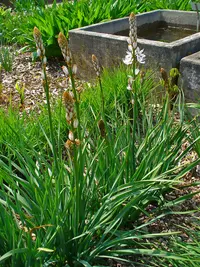
Andalusian Rosemary Care (Salvia × lavandulacea)

About Andalusian Rosemary

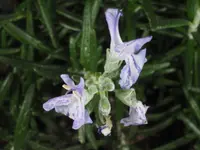
Andalusian rosemary, Salvia × lavandulacea, is a woody, evergreen shrub from the Mediterranean region, especially southern Spain. It belongs to the sage group rather than true rosemary but has a similar aromatic character. Plants form compact, branching mounds with narrow, grey-green leaves and small purple-blue flower spikes that attract bees and other pollinators. Foliage is highly scented when brushed or lightly crushed. This hybrid is adapted to hot, dry summers and mild, wetter winters, so it suits coastal or Mediterranean-style gardens. It stays relatively low-maintenance if given sun, sharp drainage, and low to moderate watering. Understanding how to care for Andalusian Rosemary mainly involves avoiding heavy, waterlogged soils and providing good light and air movement.


Main Plant Requirements

Care Difficulty

Easy Care

Light Preference

Full Sun

Water Requirements

Low Water

Temperature Preference

Warm Climate

Hardiness Zone

8–10

Soil Texture

Sandy, Loamy, Rocky

Soil pH

Slightly acidic (6.5–7.0), Slightly alkaline (7.0–7.5)

Soil Drainage

Well-drained

Fertilization

Minimal (feed rarely)

Get Personalized Care Plan

Scan your plant to receive care tips personalized for your specific plant

Available on iOS and Android

How to Care for the Andalusian Rosemary

This sun-loving Mediterranean shrub needs strong light to flower well and stay compact.

  • Provide 6–8 hours of direct sun daily, with morning sun and light afternoon shade preferred in hot inland climates.
  • Tolerates light partial shade (3–4 hours sun) but flowering and foliage density decline as shade increases, especially in summer.
  • In very hot regions, protect Andalusian Rosemary from intense late-afternoon sun to reduce leaf scorch and drying winds that stress the plant.

This drought-tolerant shrub prefers infrequent, deep watering and fast-draining soil.

  • Allow the top 5–8 cm of soil to dry fully before watering; established in-ground plants often need water only after prolonged dry spells.
  • Use sharply drained, gritty soil so water runs through quickly; avoid spots where water pools or clay stays wet after rain.
  • Watch foliage for cues: yellowing, soft leaves and blackened stems suggest overwatering, while dull, wilting leaves that do not perk up overnight indicate underwatering in Salvia × lavandulacea.

This plant thrives in mild, dry climates and handles heat better than prolonged cold or wet.

  • Ideal growing temperatures are 65–80°F (18–27°C); growth slows noticeably below 55°F (13°C).
  • Mature plants usually tolerate short dips to about 15–20°F (-9 to -6°C) if soil is well drained, but repeated hard frosts can damage young growth.
  • In summer, it copes with 90–100°F (32–38°C) if roots stay mulched and soil is not soggy, though extreme heat with high humidity increases disease risk.

This Mediterranean shrub prefers dry air and thrives in low-humidity environments.

  • Aim for 30–50% humidity, similar to typical indoor levels in heated homes.
  • Andalusian Rosemary tolerates very dry air but may suffer in persistently damp, stagnant rooms.
  • Humidity stress shows as blackened leaf bases or mildew; improve air movement rather than adding moisture.
  • Increase spacing around plants and use a small fan to keep foliage dry and reduce fungal issues.

Salvia × lavandulacea needs lean, fast-draining soil that mimics its Mediterranean origins.

  • Use a sandy or gritty loam with coarse structure so water passes through within seconds, not minutes.
  • Aim for slightly alkaline to neutral pH around 6.8–7.5, which supports root health and aromatic oil production.
  • Mix roughly 50–60% cactus mix or sandy garden soil with 30–40% coarse sand or fine gravel plus 10–20% compost.
  • Avoid heavy clay, peat-heavy, or compacted mixes that stay wet; improve drainage by raising beds or planting on mounded soil.

This species is well suited to container growing when drainage and stability are carefully managed.

  • Choose a wide, moderately deep pot to support its woody, spreading base and reduce tipping in strong wind.
  • Use a very free-draining mix and leave a drainage layer gap above the rim so runoff cannot pool against stems.
  • Select terracotta or other porous materials in wet climates to speed moisture loss and prevent root-zone stagnation.

Salvia × lavandulacea grows best in lean, well-drained soil and needs only light feeding for steady growth.

  • Apply a light dressing of compost or a balanced slow-release fertilizer (around 10-10-10) in early spring to support new growth.
  • Use a low to moderate rate, at about half the label recommendation, to avoid lush, weak shoots and reduced essential oil content in Andalusian Rosemary.
  • In containers, supplement once in mid-summer with a diluted balanced liquid feed at 1/2 strength if growth appears pale or weak.
  • Stop feeding in late summer to early fall so new growth hardens before winter, and avoid fertilizing during winter dormancy.

Pruning Salvia × lavandulacea maintains a compact shape and promotes strong flowering.

  • In late winter to early spring, cut back the previous year’s stems by about 1/3, leaving a low framework of woody growth.
  • Remove dead, damaged, or crossing stems at the base to improve air flow and reduce disease risk.
  • After main flowering flushes, lightly shear spent flower spikes to encourage a tidier form and possible repeat bloom.
  • Use clean, sharp hand pruners, making angled cuts just above healthy leaf nodes to limit dieback.

This shrub is more often grown in the ground, but container plants or young Salvia × lavandulacea may need occasional transplanting.

  • Transplant or repot in early spring or early fall when temperatures are mild and the plant is not in peak bloom.
  • Look for roots circling the pot drainage holes, slow growth, or quick drying soil as signs a larger container or in-ground position is needed.
  • Move up only 1–2 pot sizes, gently loosen circling roots, and plant into sharply drained, sandy or gritty mix to reduce transplant shock.
  • Water thoroughly after planting, then allow the soil to dry slightly between waterings; shade the plant lightly for a few days to help roots re-establish.

Salvia × lavandulacea is commonly propagated from semi-ripe cuttings and by division of established clumps.

  • Take 7–10 cm semi-ripe stem cuttings in late spring to mid-summer from non-flowering shoots with firm but still flexible growth.
  • Remove lower leaves, dip the cut base in rooting hormone if available, and insert into a free-draining mix of perlite and compost or coarse sand.
  • Keep cuttings in bright, indirect light at 65–75°F with consistently slightly moist but not waterlogged substrate until roots form.
  • For older plants, divide woody clumps in early spring, replanting well-rooted sections into sharply drained soil and watering in carefully.

Salvia × lavandulacea is fairly hardy in mild climates but benefits from simple winter precautions in colder areas.

  • In regions with frost, apply a 5–8 cm layer of dry mulch around the root zone in late fall, keeping it away from the woody crown.
  • Avoid waterlogged soil in winter by ensuring sharp drainage; excess moisture combined with cold is more damaging than dry cold.
  • For container-grown plants in colder zones, move pots to a sheltered, unheated but frost-free spot and reduce watering.

Care Tips

Promote Woody Framework

In the second and third year, lightly thin crowded interior stems in late summer to leave 5–7 well-spaced main branches, which improves air flow and helps the plant maintain a stable, woody structure that resists flopping and breakage.

Shear For Repeat Bloom

Right after the first major flowering flush, use shears to remove 5–8 cm from all spent flower stems, which encourages a compact habit and a second, lighter wave of blooms later in the season.

Use Mineral Mulch

Instead of organic bark, apply a 2–3 cm layer of small gravel around the crown, keeping it 3–5 cm away from stems, to reflect heat, keep the base dry, and reduce rot risk in this Mediterranean-type shrub.

Plant On A Slope

In heavy or compacted soils, position the plant on a slight mound or gentle slope so excess water can drain away from the crown, a key technique for growing Andalusian Rosemary in regions with wet winters.

Monitor Woody Aging

Every 3–4 years, mark and gradually remove 1–2 of the oldest, thickest stems at the base in early spring to slow the plant’s tendency to become leggy and to stimulate new, vigorous shoots from lower down.

Common Pests and Diseases

Aphids

This pest feeds on young shoots and flower stems, sucking sap and causing distortion, sticky honeydew, and sooty mold on foliage. Symptoms include clustered soft-bodied insects on tender growth and reduced flowering.

Solution

Spray affected shoots with a strong stream of water to dislodge colonies, then treat remaining insects with insecticidal soap or a ready-to-use neem oil spray, covering stems and leaf undersides. Promote beneficial insects by avoiding broad-spectrum insecticides and remove heavily infested shoot tips to reduce populations quickly when caring for Andalusian Rosemary.

Spider mites

These insects favor hot, dry conditions and feed on the undersides of leaves, causing fine stippling, dulling of foliage color, and delicate webbing between stems. Symptoms include dusty-looking leaves and premature leaf drop when infestations are heavy.

Solution

Increase humidity around the plant and hose down foliage thoroughly, including leaf undersides, to physically remove mites. For persistent issues, apply insecticidal soap or a horticultural oil labeled for mites at 7–10 day intervals, and keep plants out of hot, reflected heat that stresses foliage.

Powdery mildew

This disease appears as a white or gray powdery coating on leaves and young stems, often starting on shaded or crowded parts of the plant. Symptoms include distorted new growth, reduced vigor, and leaves that yellow and drop prematurely.

Solution

Improve air circulation by thinning crowded stems and avoiding overhead watering, especially late in the day. Remove and discard the most affected leaves, then apply a sulfur-based or potassium bicarbonate fungicide according to label directions if conditions remain warm and dry but foliage stays crowded.

Leaf spot

This disease causes small brown, tan, or purplish spots on leaves that may enlarge, coalesce, and lead to partial defoliation, especially in damp, poorly ventilated sites. Symptoms include speckled foliage and older leaves yellowing and dropping earlier than normal.

Solution

Remove and discard affected leaves from the plant and ground to reduce inoculum, and avoid wetting the foliage when watering. Improve spacing and airflow, and if the problem persists, use a copper-based fungicide during prolonged wet periods, following label safety and timing guidelines.

Whiteflies

These insects are tiny white, moth-like pests that fly up in a cloud when stems are disturbed and feed on sap, causing leaf yellowing, stunting, and honeydew buildup. Symptoms include sticky foliage, reduced vigor, and fine white insects resting on leaf undersides.

Solution

Use yellow sticky traps to monitor and reduce adult numbers, and regularly shake or hose plants to disturb and remove insects from leaf undersides. For continued infestations, apply insecticidal soap or neem oil thoroughly to the underside of leaves every 5–7 days until new growth appears clean, taking care to spray in cooler parts of the day.

Interesting Facts

Hybrid rosemary sage

This plant is an artificial hybrid between a rosemary-like Salvia and another Salvia species, selected for its fragrant foliage and long-blooming habit rather than for culinary use.

Rosmarinic acid producer

Its leaves contain rosmarinic acid, a phenolic compound also found in culinary rosemary and some mints, which contributes to its aromatic, resinous scent and helps protect the plant from herbivores and UV stress.

Extended flowering season

In mild climates it can flower from late spring well into autumn, providing a long nectar season for bees and other pollinators compared with many other ornamental shrubs.

Botan icon

Did you know?

This hybrid was developed in Mediterranean Europe as an ornamental alternative to true rosemary, combining the needle-like foliage and scent reminiscient of Rosmarinus officinalis with the heavier flowering performance and adaptability typical of ornamental Salvias, which makes it particularly useful in low-water, pollinator-friendly landscape design.

FAQs about Andalusian Rosemary

Lack of blooms often relates to excessive nitrogen fertiliser, pruning too late in the season, or insufficient seasonal temperature contrast. Older, woody growth may flower less; light renewal pruning after flowering helps maintain productive, flowering shoots.

Grow Healthy Plants with Botan Care

Keep your plants happy and healthy with plant identification, disease detection, and easy care guidance.

Botan plant care app — identify plants on mobile

Explore More Plants