


Pinch young shoots
Pinch out the soft tips of young stems in late spring to encourage a bushier plant with more flowering points instead of a few tall, floppy stalks.

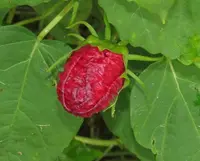
Hibiscus Luna Red is a compact, herbaceous perennial hibiscus grown mainly as a striking ornamental for gardens and containers. It produces large, deep red flowers that stand out against dense, green foliage and a bushy, upright habit.
This plant was bred for decorative use rather than collected from the wild, but it descends from hibiscus species native to warm, swampy regions of North America. It is valued for strong flowering performance, relatively fast growth, and a manageable size, which makes it approachable for beginners.
Plants prefer plenty of sun, regular moisture, and well-drained soil, so learning how to care for Hibiscus Luna Red mostly centers on providing consistent light and water without waterlogging the roots.

Care Difficulty
Moderate Care

Light Preference
Full Sun

Water Requirements
Regular Water

Temperature Preference
Warm Climate

Hardiness Zone
5–9

Soil Texture
Loamy, Silty, Organic-rich

Soil pH
Acidic (5.5–6.5), Slightly acidic (6.5–7.0)

Soil Drainage
Moist but well-drained

Fertilization
Moderate (every 2–4 weeks)
Scan your plant to receive care tips personalized for your specific plant
Available on iOS and Android
This compact hardy hibiscus thrives in strong light but benefits from some protection at peak heat.
This perennial prefers consistently moist, not soggy, soil during active growth.
This hardy hibiscus handles summer heat but is sensitive to hard frost during active growth.
This plant prefers moderately moist air but usually adapts to typical home and patio conditions.
This plant performs best in deep, evenly moist, well-drained soil with plenty of organic matter.
This species is suitable for container growing when the pot is matched to its vigorous root system and tall foliage.
Consistent feeding supports compact growth and abundant blooms on Hibiscus Luna Red in containers and garden beds.
Thoughtful pruning helps maintain shape, encourage branching, and support strong flowering.
Container-grown plants benefit from periodic repotting, while garden specimens handle transplanting best during dormancy.
Propagation is usually done by stem cuttings or division, since named cultivars do not grow true from seed.
This hardy perennial hibiscus tolerates typical cold in many regions but still benefits from simple winter preparation.

Plant Health Check
Not sure what's wrong with your plant? Check your plant's health inside the app.
Unlike many tropical hibiscus, this plant is a compact herbaceous perennial bred from hardy Hibiscus moscheutos, so in suitable climates it dies back to the ground each winter and regrows from the crown in spring.
Individual flowers can reach roughly dinner-plate proportions relative to the plant’s compact frame, a trait selected from its swamp hibiscus ancestry where large blooms help attract pollinators over long distances in open, wet habitats.
Its breeding from North American hardy hibiscus lines gives it much stronger cold tolerance than typical Hibiscus rosa-sinensis cultivars, allowing it to overwinter outdoors in many temperate regions when grown in the ground.

Luna-series hibiscus, including the red form, were specifically developed through selective breeding to produce true dwarf, freely branching plants that concentrate their energy into unusually large, showy flowers on short, sturdy stems, making them suitable for modern small gardens and patio containers.
Poor flowering usually comes from insufficient light, low nutrients, or old, woody stems. Regular feeding, removal of spent blooms, and light pruning of older growth encourages more buds and supports growing Hibiscus Luna Red successfully in summer.
Keep your plants happy and healthy with plant identification, disease detection, and easy care guidance.

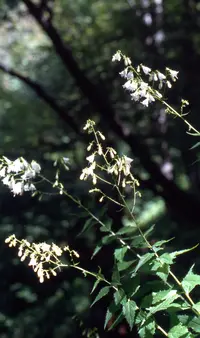
Lilyleaf Ladybells
Adenophora liliifolia
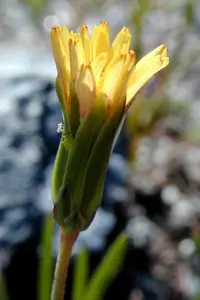
Douglas' silverpuffs
Microseris douglasii
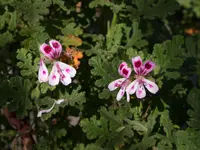
oakleaf geranium
Pelargonium quercifolium
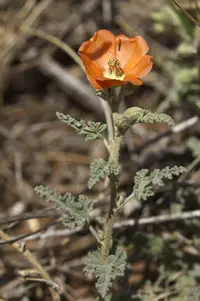
spear globemallow
Sphaeralcea hastulata
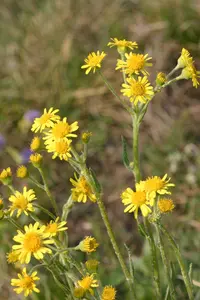
field fleawort
Tephroseris integrifolia
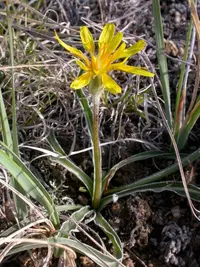
prairie false dandelion
Microseris cuspidata
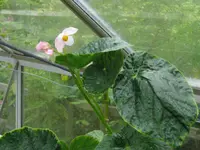
hardy Taiwan begonia
Begonia chitoensis
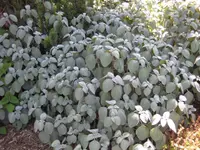
Silver spurflower
Coleus argentatus