fewleaf sunflower Care (Helianthus occidentalis)

Also known as: western sunflower, Mcdowell's sunflower
fewleaf sunflower

About fewleaf sunflower

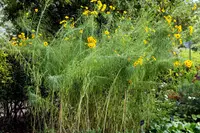
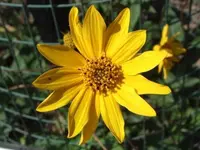
The fewleaf sunflower, Helianthus occidentalis, is a compact, clump-forming perennial native to prairies and open woods in central and eastern North America. It produces bright yellow daisy-like flowers on tall, mostly leafless stems above a low rosette of sparse foliage.

This species has a deep root system and good drought tolerance once established, which makes it relatively low-maintenance in suitable conditions. It prefers full sun, well-drained soil, and moderate to low moisture. For gardeners who want to care for fewleaf sunflower successfully, it is important to provide enough light and avoid consistently wet soil.

Main Plant Requirements

Care Difficulty

Easy Care

Light Preference

Full Sun

Water Requirements

Low Water

Temperature Preference

Cold Hardy

Hardiness Zone

4–9

Soil Texture

Sandy, Loamy, Rocky

Soil pH

Acidic (5.5–6.5), Slightly acidic (6.5–7.0)

Soil Drainage

Well-drained

Fertilization

Minimal (feed rarely)

Get Personalized Care Plan

Scan your plant to receive care tips personalized for your specific plant

Available on iOS and Android

How to Care for the fewleaf sunflower

This prairie perennial thrives in open, bright conditions similar to its native grassland habitat.

  • Provide 6–8 hours of direct sun daily; full sun promotes sturdy stems and abundant blooms in fewleaf sunflower.
  • Tolerates light afternoon shade, especially in hotter regions, but flowering and height may decrease with less than 4–5 hours of sun.
  • In early spring and late fall, reduce concern about intense exposure; in midsummer, monitor for leaf scorch in extremely reflective, dry sites.

This species prefers consistently dry to moderately moist soil rather than frequent, heavy watering.

  • Allow the top 5–7 cm of soil to dry before watering; established plants in the ground often manage on natural rainfall except in prolonged drought.
  • During hot, dry spells, water deeply but infrequently, ensuring soil drains freely to prevent root rot and yellowing, limp foliage from saturation.
  • Signs of underwatering include drooping, dull leaves and slow bud development; persistent wilting with soft stems after rain suggests poor drainage for Helianthus occidentalis.

This hardy perennial is adapted to continental climates with warm summers and cold winters.

  • Optimal growing temperatures are 70–85°F (21–29°C), when stems elongate well and flowering is most vigorous.
  • Mature plants tolerate down to about -20°F (-29°C) in the ground with mulching, but new growth is sensitive to late spring frost.
  • Handles summer heat up to 95°F (35°C) if soil is not waterlogged; in extreme heat waves, slight afternoon shade and maintained soil moisture reduce stress.

This species is adapted to outdoor conditions and does not have special humidity requirements.

This prairie perennial prefers lean, well‑drained soil that does not stay wet after rain or watering.

  • Use sandy or sandy‑loam soil with moderate organic matter, avoiding heavy peat‑based mixes that hold prolonged moisture.
  • Aim for slightly acidic to neutral pH around 6.0–7.0, which supports nutrient availability for Helianthus occidentalis.
  • Improve drainage and aeration by blending native soil or commercial mix with coarse sand and a small amount of fine gravel or perlite.
  • Avoid compacted clay, low spots where water collects, or containers without drainage, as persistent saturation encourages root and crown rot.

This plant can be grown in containers outdoors, but the container must prevent waterlogging and support its tall stems.

  • Choose a deep, relatively narrow pot to encourage downward root growth while limiting excessive top spread that can topple the container in wind.
  • Use a heavier pot material such as ceramic or clay to add stability for tall flower stalks in exposed sites.
  • Raise the pot slightly on feet or bricks so drainage holes stay clear and excess water escapes quickly after storms or heavy irrigation.

Helianthus occidentalis grows well in average garden soil and usually needs only light feeding.

  • Apply a thin layer of compost or well-rotted manure around plants in early spring to support flowering.
  • Optionally use a balanced slow-release fertilizer (around 10-10-10) at half label rate once in spring for caring for fewleaf sunflower.
  • Avoid additional fertilizer in poor-draining or very rich soils to reduce risk of floppy growth.
  • Stop feeding by late summer and do not fertilize during winter dormancy.

Pruning Helianthus occidentalis is simple and mainly focuses on tidiness and sustaining bloom quality.

  • In late winter or very early spring, cut back old stems to just above ground level using clean hand pruners.
  • Deadhead spent flower stalks during summer to extend blooming and keep plants compact.
  • Remove dead, damaged, or crowded stems at the base to improve air flow and reduce disease pressure.
  • Leave a few seedheads in fall if wildlife value and self-seeding are desired.

This prairie perennial is more often transplanted in the ground than repotted in containers.

  • Transplant in early spring or early fall when temperatures are mild and soil is workable.
  • Move plants only when clumps become crowded, flowering declines, or growth slows despite good care, typically every 3–5 years.
  • Dig widely around the clump to keep a solid root ball, then replant at the same depth in well-drained soil.
  • Water thoroughly after transplanting, then keep soil evenly moist for 1–2 weeks to limit root stress.

Helianthus occidentalis is commonly multiplied by seed and division.

  • Sow seeds outdoors in fall or very early spring, as natural cold exposure improves germination.
  • For indoor sowing, chill moist seeds in the refrigerator for 4–6 weeks, then germinate at 65–70°F under bright light.
  • Divide mature clumps in early spring as new growth emerges, keeping several shoots and roots per division.
  • Replant divisions promptly into loose, well-drained soil and water consistently until established.

This species is cold hardy in much of the US and usually needs minimal winter care.

  • After hard frost, allow stems to die back naturally, then cut to ground level in late fall or early spring.
  • In colder regions or exposed sites, add a 5–7 cm layer of mulch around the crown to buffer freeze–thaw cycles.
  • Container-grown plants benefit from moving to a sheltered, unheated but frost-free spot or heavy mulching around the pot.

Care Tips

Rhizome Division

Lift and divide congested clumps every 3–4 years in early spring or fall, replanting healthy rhizome sections 30–45 cm apart to maintain vigor and flowering density.

Lean-Support Strategy

Plant in groups and allow neighboring perennials or low, open staking to provide light support, which reduces wind lodging without shading the flower stems.

Targeted Deadheading

Remove spent flower heads before seed set on most stems to extend bloom, but leave some seed heads to support wildlife and allow limited self-sowing in suitable sites.

Late-Winter Cleanup

Delay cutting back dry stems until late winter, then remove them at ground level to protect overwintering insects and expose new shoots just before spring growth resumes.

Drought-Hardening Establishment

During the first growing season, water deeply but infrequently to encourage deeper roots, then gradually lengthen intervals between waterings so the plant develops the drought tolerance expected when growing fewleaf sunflower in mature plantings.

Common Pests and Diseases

Sunflower moth

This pest targets flower heads, where larvae tunnel into developing seeds and create frass-filled galleries that reduce seed set and overall vigor. Symptoms include browning, webbing, and crumbly seed tissue in the heads.

Solution

Hand-pick and destroy affected flower heads where feasible and remove plant debris after flowering to reduce overwintering sites. In larger plantings, monitor for adult moths and apply a Bacillus thuringiensis (Bt) product to flower heads at early bloom according to label directions, focusing on evening applications when adults are active.

Sunflower bud moth

This pest bores into stems, leaf petioles, and developing buds, causing distorted growth, hollow stems, and flagging or wilting of upper portions of the plant. Symptoms include small entry holes with frass around buds or in stems.

Solution

Prune out and destroy infested shoots and buds as soon as damage is noticed to remove larvae before they complete development. Maintain good sanitation by clearing plant residues at season’s end and avoid dense plantings, which can favor hidden larval development.

Rust

This disease produces orange to brown powdery pustules on the undersides of leaves, often with yellow spots on the upper surface and premature leaf drop. Symptoms include reduced vigor and a gradual decline in photosynthetic leaf area.

Solution

Remove and dispose of heavily infected leaves and volunteer sunflowers nearby to reduce the source of spores. Improve air circulation, avoid overhead watering, and if rust is persistent, use a labeled sulfur or copper fungicide applied preventively or at first signs, following the product instructions carefully.

Powdery mildew

This disease appears as white to gray, powdery patches on upper leaf surfaces and sometimes stems, leading to leaf yellowing and reduced flowering if severe. Symptoms include a dusty coating that may spread quickly in dry conditions with high humidity.

Solution

Increase spacing and airflow, water at soil level, and remove badly affected leaves to limit spread. For recurring issues, apply a labeled horticultural oil, neem oil, or potassium bicarbonate product in the evening, ensuring thorough coverage but avoiding applications during high heat to prevent leaf burn.

Aphids

These insects cluster on stems, buds, and leaf undersides, sucking sap and causing curling or distorted new growth, along with sticky honeydew that can attract sooty mold. This pest can also transmit plant viruses between sunflower plants.

Solution

Dislodge aphids with a firm stream of water and encourage natural predators such as lady beetles by minimizing broad-spectrum insecticide use. For persistent colonies, treat colonies directly with insecticidal soap or a light horticultural oil, repeating as needed and coating the undersides of leaves where aphids concentrate.

Interesting Facts

Almost leafless stems

This species often produces flower stalks with very few small leaves, so the yellow flower heads appear to rise almost directly from a low basal rosette of broader leaves, which helps distinguish it from many other sunflowers.

Dry prairie specialist

It is naturally adapted to dry, open habitats such as sand prairies, glades, and open oak woodlands in central and eastern North America, tolerating drought and nutrient-poor soils better than many taller sunflower relatives.

Late-season pollinator resource

Flowering typically occurs in mid to late summer, sometimes into early fall, providing nectar and pollen for native bees, butterflies, and other insects when many spring-blooming prairie plants are already finished.

Botan icon

Did you know?

Helianthus occidentalis is considered an indicator species for high-quality remnant prairies in parts of its range, so its presence can signal relatively undisturbed native grassland habitat.

FAQs about fewleaf sunflower

This species forms clumps and slowly expands by short rhizomes and self-seeding. It usually stays manageable in garden settings. Deadhead spent flowers and thin crowded clumps every few years if you want to limit spread.

Grow Healthy Plants with Botan Care

Keep your plants happy and healthy with plant identification, disease detection, and easy care guidance.

Botan plant care app — identify plants on mobile

Explore More Plants