hardy Taiwan begonia Care (Begonia chitoensis)

hardy Taiwan begonia

About hardy Taiwan begonia

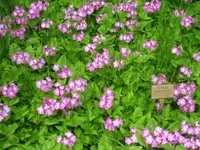
Hardy Taiwan begonia, Begonia chitoensis, is a compact, rhizomatous perennial grown mainly for its textured foliage and delicate seasonal flowers. It forms low clumps that slowly spread, creating a soft groundcover effect.

This species is native to shaded, humid habitats in Taiwan, where it grows on forest floors and rocky slopes. In gardens it is valued for tolerance of cool conditions compared with many tropical begonias.

Its main needs are consistent moisture, good drainage, and shelter from strong sun and drying wind. Understanding these traits makes it easier to care for hardy Taiwan begonia in temperate gardens or protected containers.

Main Plant Requirements

Care Difficulty

Moderate Care

Light Preference

Partial Shade

Water Requirements

Keep Soil Moist

Temperature Preference

Warm Climate

Hardiness Zone

7–9

Soil Texture

Loamy, Peaty, Organic-rich

Soil pH

Acidic (5.5–6.5)

Soil Drainage

Moist but well-drained

Fertilization

Light (every 4–6 weeks)

Get Personalized Care Plan

Scan your plant to receive care tips personalized for your specific plant

Available on iOS and Android

How to Care for the hardy Taiwan begonia

This woodland begonia prefers soft, filtered light rather than direct, intense sun.

  • Provide bright shade or dappled light with 1–3 hours of gentle morning sun, then shade for the rest of the day to protect the foliage of hardy Taiwan begonia.
  • Allow only brief early sun in hot regions and avoid direct midday or afternoon sun, which can scorch leaves and cause brown patches.
  • In cooler seasons, place it where it receives brighter indirect light for 6–8 hours to prevent leggy, weak growth.

This species prefers evenly moist but never waterlogged soil.

  • Water when the top 2–3 cm of soil feel dry, using enough water to moisten the root zone while allowing excess to drain away fully.
  • Use loose, well-drained soil rich in organic matter so roots receive air; persistent sogginess, yellowing leaves, or mushy stems indicate overwatering.
  • In active growth, expect more frequent watering, then reduce when growth slows and watch for drooping or crisp leaf edges as signs of underwatering.

This begonia grows best in mild, frost-free conditions.

  • Aim for 60–75°F (16–24°C) during the growing season, when Begonia chitoensis produces steady foliage and root growth.
  • Protect from temperatures below 40°F (4°C); prolonged exposure near freezing or any frost can damage leaves and crowns.
  • In hot weather above 85°F (29°C), provide extra shade and airflow, and avoid heat buildup near walls or paving that can stress the plant.

This species prefers moderately moist air and benefits from slightly raised humidity in most homes.

  • Aim for 50–70% humidity for Begonia chitoensis, using a hygrometer to check levels near the plant.
  • It tolerates brief dips to 40%, but prolonged dry air can cause crisp leaf edges and curling.
  • Increase humidity with a pebble tray or nearby humidifier, rather than misting which can promote leaf spots.

Begonia chitoensis grows best in loose, airy, organic-rich soil that drains quickly but retains some moisture.

  • Use a mix of roughly 50% fine bark or coco coir, 30% compost, and 20% perlite for structure and airflow.
  • Aim for slightly acidic to neutral pH around 6.0–7.0, avoiding strongly alkaline substrates that reduce nutrient availability.
  • Ensure water drains through the mix within seconds; if it lingers, increase perlite or bark to improve aeration.
  • Avoid heavy garden clay, compacted potting mix, or soils that stay saturated, which encourage root and stem rot.

This species is well suited to container growing when drainage and stability are managed carefully.

  • Choose a shallow to medium-depth pot that matches the spread of the root system, preventing unused, soggy mix at the edges.
  • Select a stable, slightly heavier container if the top growth becomes one-sided, limiting the risk of tipping in wind or handling.
  • Use a potting mix that stays just moist and monitor how long the container takes to dry, adjusting watering to the specific pot size and material.

Begonia chitoensis benefits from light, consistent feeding during its active growing season but reacts poorly to strong fertilizer.

  • Use a balanced, water‑soluble fertilizer (for example 10‑10‑10 or 20‑20‑20) at 1⁄4–1⁄2 the label strength.
  • Apply every 4–6 weeks in spring and summer, on already moist soil to avoid root burn.
  • Pause feeding in winter or dormancy, resuming only when new growth appears.
  • For growing hardy Taiwan begonia in the ground, a thin top‑dressing of compost in spring is usually enough.

Pruning is light but useful for maintaining a compact, healthy Begonia chitoensis clump.

  • Best time is late winter to early spring, just before strong new growth starts.
  • Remove dead, yellowing, or damaged leaves and any rotting or weak stems with clean, sharp scissors or snips.
  • Thin crowded stems at the base to improve air flow and reduce fungal problems.
  • Pinch soft tips lightly if a bushier shape and denser foliage are desired.

Container plants and new divisions of Begonia chitoensis benefit from careful, infrequent repotting or transplanting.

  • Plan repotting or outdoor transplanting for early spring, as new growth begins and temperatures are mild.
  • Look for roots circling the pot, water running straight through, or slowing growth as signs a larger container or new site is needed.
  • Repot every 2–3 years into a slightly larger pot with airy, humus‑rich mix, keeping the crown at the same depth.
  • Handle roots gently, tease them apart minimally, water thoroughly, then keep in bright shade and stable moisture for 1–2 weeks to limit stress.

This species is most often multiplied by division and stem cuttings rather than by seed.

  • Divide mature clumps in early spring, ensuring each piece has healthy roots and at least one growing point.
  • Replant divisions immediately into moist, well‑drained, humus‑rich soil and keep shaded until established.
  • Take 5–8 cm semi‑ripe stem cuttings in late spring or early summer and remove lower leaves.
  • Root cuttings in a very light mix under high humidity and gentle bottom warmth, ventilating to prevent rot.

In mild climates Begonia chitoensis is reasonably hardy but still benefits from simple winter protection outdoors.

  • Tolerates light frost but foliage may be damaged below about 25–28°F; roots are more cold resilient than leaves.
  • Apply a 5–8 cm mulch layer of leaves or bark over the root zone after the first hard frost, keeping mulch off the crown.
  • In colder regions, grow in containers and move plants into a cool, frost‑free, bright place for winter.
  • Water sparingly in winter, keeping soil just barely moist so resting roots do not rot.

Care Tips

Slope planting

Plant rhizomes on a slight slope or mound so water drains away from the crown, which reduces rot risk in wet climates.

Mulch with gravel

Use a thin layer of fine gravel or small stones around, but not touching, the stems to keep soil splash off leaves and lower fungal spotting in rainy periods.

Gentle clump division

Divide mature clumps in early spring by cutting rhizomes into sections with at least 2–3 growth buds, then replant promptly at the same depth to expand your planting or refresh crowded areas.

Frost protection setup

In regions with marginal hardiness, mark clump locations and prepare low wire hoops in fall so a breathable frost cloth can be quickly added during hard freezes.

Summer container rotation

If grown in pots outdoors, rotate containers every 2–3 weeks so all sides receive similar light and airflow, which helps maintain even, compact growth when growing hardy Taiwan begonia.

Common Pests and Diseases

Powdery mildew

This disease often appears in humid, shaded conditions and on plants with poor air movement. Symptoms include white, powdery patches on the upper leaf surface that can lead to distortion and reduced vigor.

Solution

Increase air circulation around the plant, avoid overhead watering, and remove heavily affected leaves. For ongoing issues, use a sulfur or potassium bicarbonate fungicide labeled for ornamentals, applying in the evening and keeping foliage dry afterward.

Botrytis blight

This disease is favored by cool, damp conditions common in woodland or shaded plantings. Symptoms include tan or brown water-soaked spots on leaves and flowers that quickly develop gray, fuzzy mold.

Solution

Remove and discard all affected leaves, flowers, and debris, and improve airflow by thinning crowded growth. Reduce leaf wetness, water at soil level, and in persistent cases apply a labeled fungicide for botrytis, rotating products to reduce resistance risk.

Foliar nematodes

These microscopic worms move in surface water on leaves and are more common in collections of hardy begonias in moist shade. Symptoms include angular, water-soaked or brown lesions confined between leaf veins, often starting on lower foliage.

Solution

Promptly remove and destroy affected leaves, avoid overhead watering, and keep foliage as dry as possible. Severely infested clumps are best divided, discarding the worst sections, and replanting only healthy crowns in well-drained soil while keeping tools disinfected between plants.

Spider mites

These insects become problematic in warm, dry indoor or sheltered conditions and can affect hardy Taiwan begonia when grown in containers. This pest causes fine stippling, dull leaves, and delicate webbing on the undersides of foliage.

Solution

Rinse foliage thoroughly with a strong but gentle stream of water, targeting leaf undersides, and repeat every few days. If populations persist, use insecticidal soap or horticultural oil, applied in the early evening and never on water-stressed plants.

Slugs and snails

These pests are especially common on shade-grown hardy begonias in moist garden beds. Symptoms include irregular holes in leaves, shredded leaf margins, and slime trails on or around the plant.

Solution

Hand-pick slugs and snails in the evening, use traps or barriers such as copper tape around containers, and reduce hiding spots like dense mulch near the crowns. For heavy infestations, apply iron phosphate bait around but not directly on the crowns, following label directions.

Interesting Facts

Taiwan limestone specialist

This species is naturally restricted to shady, moist limestone cliffs and rock faces in northern Taiwan, where thin, alkaline soils and constant seepage water shape its compact growth and thickened rhizomes.

Distinctive leaf undersides

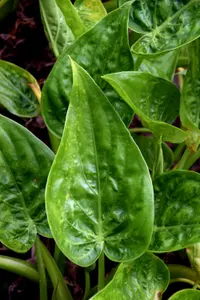
The leaves have green to bronzy upper surfaces but often show a reddish to purplish underside with prominent, pale veins, a contrast that helps distinguish it from many other small Asian begonias.

Cold-tolerant for a begonia

Unlike many tropical begonias, this species tolerates brief light frosts in the ground when kept well-drained, which is why some growers focus on Begonia chitoensis care for shaded rock gardens in mild climates.

FAQs about hardy Taiwan begonia

Brown leaf edges usually result from low humidity, underwatering, or fertilizer burn from excess salts. Sun scorch can also cause crisp brown patches. Remove damaged leaves, adjust moisture gradually, and flush the potting mix if overfertilized.

Grow Healthy Plants with Botan Care

Keep your plants happy and healthy with plant identification, disease detection, and easy care guidance.

Botan plant care app — identify plants on mobile

Explore More Plants