Ceylon spinach Care (Basella alba)

Also known as: Malabar Spinach, climbing spinach, creeping spinach, vine spinach, buffalo spinach
Ceylon spinach

About Ceylon spinach

Ceylon spinach, Basella alba, is a fast-growing leafy vine valued as an edible green in warm and humid climates. It is not related to true spinach, but its tender leaves are used in similar ways.

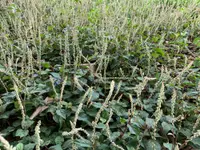
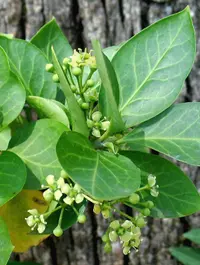
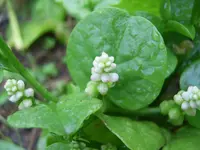
The plant climbs or trails with thick, fleshy stems and glossy, succulent leaves that stay lush in heat. Small pinkish-white flowers and dark berries appear in clusters along the stems.

Basella alba is native to tropical Asia and thrives in long, warm seasons where it can grow vigorously with support. It prefers consistently moist, fertile soil and regular warmth, which makes it easy to grow in suitable climates.

Gardeners who learn how to care for Ceylon spinach usually find it a productive and forgiving leafy crop.

Main Plant Requirements

Care Difficulty

Easy Care

Light Preference

Full Sun

Water Requirements

Keep Soil Moist

Temperature Preference

Tropical / Frost Sensitive

Hardiness Zone

10–11

Soil Texture

Loamy, Sandy, Organic-rich

Soil pH

Acidic (5.5–6.5), Slightly acidic (6.5–7.0)

Soil Drainage

Moist but well-drained

Fertilization

Moderate (every 2–4 weeks)

Get Personalized Care Plan

Scan your plant to receive care tips personalized for your specific plant

Available on iOS and Android

How to Care for the Ceylon spinach

Basella alba grows best with ample warmth and consistent light for strong, leafy growth.

  • Provide 4–6 hours of direct morning sun plus bright, filtered light the rest of the day for best yields when growing Ceylon spinach outdoors.
  • Plant where it receives full sun in cooler climates, but give light afternoon shade in hot regions to prevent leaf scorch and wilting.
  • If stems elongate with small, pale leaves, light is too low; shift to a brighter site, especially from spring through early fall.

Basella alba prefers evenly moist, never waterlogged soil to support fast, leafy growth.

  • Water when the top 2–3 cm of soil feels dry, soaking the root zone thoroughly, then allow excess to drain away.
  • In hot, dry weather, expect to water more often, while in cooler or rainy periods, extend intervals and rely more on soil feel than a fixed schedule.
  • Wilting leaves that recover after watering suggest underwatering; yellowing, soft stems and a sour smell indicate overwatering or poor drainage.

This warm-season vine needs consistently high temperatures to grow vigorously and produce tender leaves.

  • Aim for an ideal growing range of 75–90°F (24–32°C), where growth is fastest and foliage stays lush.
  • Protect plants whenever temperatures drop near 55°F (13°C); growth slows below this and tissue damage occurs at or just above 40°F (4°C).
  • Basella alba tolerates short spikes to about 95°F (35°C) if soil moisture is stable, but any frost or prolonged cold will kill the vines.

Basella alba prefers moderately humid conditions but usually adapts to typical household air if soil moisture is consistent.

  • Aim for 40–60% humidity, keeping the substrate evenly moist to offset slightly dry indoor air.
  • Ceylon spinach may show curled, slightly thickened leaves and slowed growth when humidity stays very low, especially with heat or strong sun.
  • Increase humidity by grouping plants, placing trays of water and stones nearby, or using a small humidifier in very dry rooms.

Basella alba grows best in loose, rich, well-drained soil that stays evenly moist without becoming waterlogged.

  • Use a loamy mix with 40–60% compost plus garden soil or potting mix, with enough sand or perlite to prevent compaction.
  • Aim for slightly acidic to neutral pH around 6.0–7.0, which supports nutrient availability and strong vegetative growth.
  • Improve aeration by blending coarse sand or perlite so roots receive oxygen even when the soil is kept consistently moist.
  • Avoid heavy clay, poorly drained, or compacted substrates, which encourage root rot and stunt growth in this fast-growing vine.

This species is very suitable for container growing when the pot supports its vining, top-heavy habit.

  • Choose a wide, heavy container or secure it in place so the plant and its support structure do not tip in wind or when wet.
  • Select a pot at least 25–30 cm deep to give roots vertical space, which helps maintain steady moisture and nutrient access.
  • Support the vine with a stake, trellis, or rail fixed directly in the pot to guide upward growth and prevent stems from dragging over the rim.

Basella alba responds well to modest, consistent feeding during warm, active growth.

  • Use a balanced liquid fertilizer (for example 10-10-10) at 1/2 strength every 2–3 weeks in spring and summer for caring for Ceylon spinach.
  • Alternatively, mix in mature compost around the root zone once per month during peak growth.
  • For container plants, a slow-release balanced fertilizer at label rate supports steady leafy growth.
  • Reduce or stop feeding in fall and winter when growth slows, especially in cooler conditions.

Basella alba benefits from light, directed pruning to manage vigor and encourage leafy growth.

  • Best time for pruning is during active growth in late spring through summer.
  • Pinch or trim soft shoot tips with clean scissors to keep vines compact and bushy.
  • Remove any yellowing, damaged, or crowded stems to improve airflow and reduce disease risk.
  • Harvesting stems regularly functions as pruning and maintains a productive, well-shaped plant.

Basella alba is usually grown as a seasonal vine, so focus on timely transplanting rather than frequent repotting.

  • Transplant seedlings outdoors after frost when nights stay above 55°F and plants have 3–4 true leaves.
  • Treat pot-bound plants with circling roots by gently teasing roots loose before planting into the ground or a larger pot.
  • Choose a slightly larger container with drainage or a well-prepared bed, and water thoroughly to settle soil around roots.
  • Shade newly moved plants for a few days and keep soil evenly moist to reduce transplant shock.

Basella alba is commonly propagated from both seeds and soft stem cuttings.

  • Sow seeds indoors 4–6 weeks before last frost or outdoors after soil warms above 65°F.
  • Soak seeds 12–24 hours before sowing and keep soil lightly moist for faster germination.
  • For cuttings, take 10–15 cm non-flowering shoots in late spring, remove lower leaves, and place in water or moist mix.
  • Provide bright, indirect light and warmth until roots form, then pot up or plant into the garden.

Basella alba is a frost-sensitive warm-season vine that usually dies back in cold climates.

  • Tolerates only light chill; frost will kill foliage and often the entire plant.
  • In mild climates, add 5–7 cm of mulch around the base to buffer brief cool spells.
  • Grow it in containers in colder regions and move plants indoors to a bright, warm spot before first frost.
  • Collect seeds from mature berries before hard frost to replant next warm season.

Care Tips

Vertical trellis training

Install a sturdy trellis or netting 1.5–2 m high and start loosely tying young vines with soft ties early, which increases leaf exposure to light and keeps foliage clean and easy to harvest.

Successive stem pinching

Pinch out the soft shoot tips every 2–3 weeks once vines reach 30–40 cm to encourage multiple side branches, resulting in a denser canopy and higher total leaf yield.

Heat-wave harvest management

During very hot spells, harvest more frequently and remove any older, tougher leaves so the plant redirects energy into producing tender new growth instead of maintaining stressed, mature foliage.

Salinity and splash control

Water at soil level with a hose-end wand or drip line to avoid repeated leaf wetting, which reduces foliar disease risk and prevents fertilizer salts from spotting and burning the succulent leaves.

End-of-season propagation

Before the first frost, take 10–15 cm tip cuttings from healthy vines, root them in clean water or a sterile mix, then pot them up indoors to maintain a mother plant for growing Ceylon spinach the following season.

Common Pests and Diseases

Leaf miner larvae

This pest tunnels inside the thick leaves, creating winding, pale trails and blotches that reduce edible quality. Symptoms include distorted foliage and weakened plants, especially in warm, humid conditions.

Solution

Remove and discard affected leaves as soon as trails appear to break the life cycle. Use fine insect netting over beds, encourage beneficial insects such as parasitic wasps, and if needed apply a spinosad-based spray directed to the leaf surface in late afternoon, following label directions for leafy vegetables.

Spider mites

These insects thrive in hot, dry conditions and can colonize the undersides of leaves, causing fine stippling, yellowing, and eventual leaf drop. This pest can be hard to see, but fine webbing may appear between leaves and stems.

Solution

Spray the foliage thoroughly with a strong stream of water to dislodge mites, then maintain higher humidity around the plants. If populations persist, use insecticidal soap or a horticultural oil, ensuring full coverage of leaf undersides and repeating at 5–7 day intervals as needed.

Aphids

These insects cluster on tender shoot tips and young leaves, sucking sap and causing curling, distortion, and sticky honeydew deposits. This pest can stunt growth and attract sooty mold on the edible foliage.

Solution

Wash aphids off with a firm stream of water and pinch back heavily infested tips. Introduce or conserve natural predators like lady beetles, and use insecticidal soap or neem oil on persistent colonies, making sure to coat all plant surfaces and reapplying after rain if necessary.

Downy mildew

This disease affects succulent leaves, especially in warm, humid, crowded plantings, causing yellow patches on upper surfaces and gray to purple fuzzy growth underneath. Symptoms include premature leaf drop and reduced yield and quality of the greens.

Solution

Remove and discard infected leaves promptly and avoid overhead watering to keep foliage dry. Improve spacing and airflow, water at soil level in the morning, and rotate plantings so Basella is not grown in the same spot each year; in severe cases, use an appropriate copper-based fungicide labeled for leafy vegetables, following all pre-harvest intervals.

Leaf spot complex

This disease group, often fungal or bacterial, produces small brown to dark purple spots that may merge into larger lesions, making leaves unattractive and less usable. Symptoms include yellow halos around spots and occasional tearing of leaf tissue under stress.

Solution

Prune and discard badly affected leaves, avoid wetting the foliage, and water at the base of the plant. Improve garden sanitation by clearing plant debris, rotate crops, and if leaf spots spread rapidly during wet weather, consider a preventative copper or chlorothalonil spray labeled for leafy vegetables, applied according to directions and harvest intervals.

Interesting Facts

Heat-loving leaf vegetable

This tropical vine grows most vigorously in warm, humid conditions and can produce edible leaves and shoots throughout hot summers when common spinach often bolts or fails.

Climbing succulent vine

Its stems and leaves are semi-succulent, storing water in thick tissues, and the plant naturally twines and climbs, sometimes reaching several meters when supported.

Deeply pigmented fruits

The dark purple-black berries contain betalain pigments, which are water-soluble color compounds also found in beets and can be used as a natural food dye.

Botan icon

Did you know?

In parts of South and Southeast Asia, Basella alba has long been integrated into traditional agroforestry systems, where it is trained up living supports such as trees or trellised shrubs to maximize vertical space and maintain year-round leafy vegetable production in small household gardens.

FAQs about Ceylon spinach

All aerial parts are edible, especially the thick, fleshy leaves and young shoots. They are commonly eaten raw in salads or lightly cooked in stir-fries and soups, where the mild flavor and slightly mucilaginous texture work well.

Grow Healthy Plants with Botan Care

Keep your plants happy and healthy with plant identification, disease detection, and easy care guidance.

Botan plant care app — identify plants on mobile

Explore More Plants