Early staking strategy
Install a sturdy stake or narrow trellis when the plant is still young, then tie stems loosely with soft ties to prevent wind damage and encourage an upright, manageable framework.


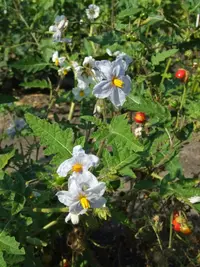
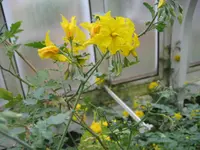
Solanum dasyphyllum is a shrubby, herbaceous species in the nightshade group, valued mainly as a botanical curiosity rather than a common garden plant. It typically has upright, branching stems with simple leaves and seasonal flowers followed by small berry-like fruits.
This species occurs in parts of Africa, where it grows in warm, open habitats. It is not widely cultivated, so plants in collections often come from specialized growers.
Solanum dasyphyllum can be moderately challenging, as it prefers stable warmth, good light, and a well-drained, fertile substrate. Anyone wanting to care for Solanum dasyphyllum should be prepared to provide consistent conditions and watch for common pest issues.

Care Difficulty
Moderate Care

Light Preference
Full Sun

Water Requirements
Moderate Water

Temperature Preference
Warm Climate

Hardiness Zone
9–11

Soil Texture
Sandy, Loamy, Organic-rich

Soil pH
Acidic (5.5–6.5), Slightly acidic (6.5–7.0)

Soil Drainage
Well-drained

Fertilization
Light (every 4–6 weeks)
Scan your plant to receive care tips personalized for your specific plant
Available on iOS and Android
This sun-loving shrub needs bright outdoor exposure to flower and fruit well.
This species prefers evenly moist, well-drained soil rather than constant wetness.
This plant grows best in warm, frost-free conditions outdoors.
This species manages well in typical home humidity but benefits from slightly moist air in heated or very dry homes.
Soil for this species should be loose, well-aerated, and free-draining to support steady growth and root health.
This species suits container growing when the pot and medium are chosen to protect its roots from waterlogging and instability.
This shrub responds to moderate feeding but can cope with lean soil once established.
Thoughtful pruning keeps Solanum dasyphyllum compact, healthy, and well-shaped.
This species is usually grown in the ground but younger plants in containers benefit from occasional repotting.
Gardeners most often propagate this species from semi-ripe cuttings or seed.
This plant has limited frost tolerance and benefits from basic winter protection in cooler regions.

Plant Health Check
Not sure what's wrong with your plant? Check your plant's health inside the app.
This species is native to montane regions of East Africa, where it typically grows in open woodland and grassland edges rather than dense forest, reflecting its preference for high light and relatively cool nights.
It develops stout, often purple-tinged spines along the stems and leaf veins, which serve as a mechanical defense against browsing herbivores such as livestock and wild ungulates in its native range.
The foliage bears a noticeable covering of simple hairs (trichomes), giving the leaves a slightly rough, dull surface that helps reduce water loss and may deter some insect feeding.
This species performs better outdoors in mild, frost-free climates where it receives strong light and good air movement. Indoors it often becomes weak or leggy unless given very bright light, stable warmth, and low humidity stress.
Keep your plants happy and healthy with plant identification, disease detection, and easy care guidance.