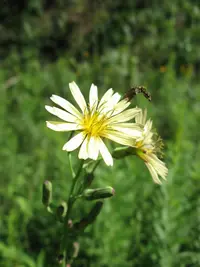
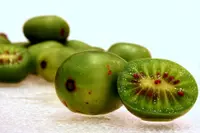
Ethiopian nightshade Care (Solanum aethiopicum)

Also known as: Ethiopian eggplant, scarlet eggplant, mock tomato
Ethiopian nightshade

About Ethiopian nightshade

Ethiopian nightshade, Solanum aethiopicum, is a warm-season vegetable grown for its edible fruits and tender shoots. It belongs to the tomato and eggplant family and has a shrubby, branching habit.

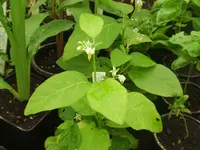
Plants carry oval to lobed leaves and small star-shaped flowers that develop into round, often ribbed fruits in shades of green, orange, or red. It is commonly cultivated in tropical Africa and parts of Asia but can be grown in warm temperate gardens.

This species is relatively fast-growing but needs consistent warmth, sun, and moisture-retentive, well-drained soil. Understanding how to care for Ethiopian nightshade helps maintain healthy growth and reliable harvests.

Main Plant Requirements

Care Difficulty

Moderate Care

Light Preference

Full Sun

Water Requirements

Regular Water

Temperature Preference

Tropical / Frost Sensitive

Hardiness Zone

10–12

Soil Texture

Sandy, Loamy, Organic-rich

Soil pH

Acidic (5.5–6.5), Slightly acidic (6.5–7.0)

Soil Drainage

Moist but well-drained

Fertilization

Moderate (every 2–4 weeks)

Get Personalized Care Plan

Scan your plant to receive care tips personalized for your specific plant

Available on iOS and Android

How to Care for the Ethiopian nightshade

This warm-season crop needs abundant sun to flower and fruit well.

  • Provide 6–8 hours of direct sun daily; morning sun with some light afternoon shade works well in hot regions.
  • Tolerates light partial shade (3–4 hours direct sun), but Ethiopian nightshade will produce fewer, smaller fruits.
  • In very hot summers, protect from harsh afternoon sun with 30–40% shade cloth to reduce leaf scorch and blossom drop.

This species prefers evenly moist, well-drained soil without prolonged dryness or saturation.

  • Water when the top 3–5 cm of soil feels dry, applying enough to moisten the root zone 15–20 cm deep, then let excess drain.
  • In hot, windy weather increase frequency; during cooler periods or after heavy rain allow longer drying intervals to avoid root rot in Solanum aethiopicum.
  • Watch leaves: drooping with dry soil suggests underwatering, while yellowing, soft stems, or a sour soil smell indicate overwatering.

This plant behaves like a warm-season annual and grows best in stable, warm conditions.

  • Optimal growth occurs at 70–85°F (21–29°C); flowering and fruit set decline noticeably outside this range.
  • Plant outdoors only after nights stay above 55°F (13°C); growth slows below 60°F (16°C) and stops near 50°F (10°C).
  • Highly sensitive to frost; any dip near 32°F (0°C) can kill plants, while heat above 95°F (35°C) may cause flower drop unless soil moisture is consistent.

This species handles a wide humidity range but benefits from moderately moist air.

  • Aim for 40–60% humidity; typical indoor levels are usually sufficient for Ethiopian nightshade.
  • Tolerates brief dry air, but persistent low humidity may cause leaf edge browning and slight curling.
  • If air is very dry, group plants together or place the pot on a pebble tray with water to raise local humidity.

Solanum aethiopicum prefers loose, well-structured soil that drains freely yet retains some moisture.

  • Use a loamy mix combining 50–60% peat-free potting soil, 20–30% compost, and 10–20% perlite or coarse sand for aeration.
  • Ensure the soil crumbles easily in the hand; compacted, sticky, or heavy clay soil restricts roots and increases rot risk.
  • Target a slightly acidic to neutral pH of 6.0–7.0, which supports nutrient availability and healthy growth.
  • Improve drainage and oxygen supply by incorporating coarse particles such as perlite, pumice, or fine bark into dense native soil.

This species is suitable for container growing when given enough root space and drainage control.

  • Choose a pot at least 25–30 cm deep so the taproot and lateral roots can anchor and support fruiting stems.
  • Use a heavier material like clay or ceramic outdoors to reduce tipping risk from tall, leafy growth and fruit weight.
  • Raise the container slightly on pot feet or bricks so drainage holes stay clear and excess water can exit quickly.

Solanum aethiopicum responds well to modest, consistent feeding during its active growing season.

  • Use a balanced NPK fertilizer (such as 10-10-10) at half-strength every 2–3 weeks during warm, active growth.
  • In rich soil, supplement with a light layer of well-rotted compost instead of frequent liquid feeds.
  • Pause or reduce feeding to once every 6–8 weeks during cool seasons or winter dormancy.
  • Water before applying fertilizer and avoid splashing solution on leaves to reduce burn risk.

Pruning Solanum aethiopicum keeps plants compact, productive, and easier to manage.

  • In late spring or early summer, remove dead, diseased, or storm-damaged stems with clean, sharp pruners.
  • Thin crowded interior branches to improve airflow and reduce fungal disease risk.
  • Pinch or tip back overly long shoots to encourage bushier growth and better fruit set.
  • Disinfect blades between plants to avoid spreading pathogens such as bacterial or fungal infections.

Solanum aethiopicum is usually grown as an annual crop, so transplanting young plants correctly matters more than long-term repotting.

  • Transplant seedlings outdoors after frost when roots fill starter cells but are not tightly circling.
  • Space plants 40–60 cm apart in well-drained soil, handling the root ball gently to limit disturbance.
  • Water thoroughly before and after transplanting, and transplant in late afternoon or on a cloudy day to reduce stress.
  • Use a slightly larger container only if roots are circling, choosing a pot with drainage and similar soil mix.

Most Solanum aethiopicum plants are propagated from seed for consistent crop establishment.

  • Sow seeds indoors 6–8 weeks before the last frost in a sterile seed-starting mix kept at 70–80°F.
  • Provide bright light and keep the medium evenly moist, not waterlogged, to support uniform germination.
  • Transplant seedlings once they have 2–3 true leaves, hardening them off gradually outdoors over 7–10 days.
  • For saving seed, let fruits fully ripen, then clean, dry, and store seeds in a cool, dry place.

In most temperate climates Solanum aethiopicum is treated as a frost-tender annual and not overwintered outdoors.

  • Plants are very sensitive to frost and usually die when temperatures drop near 32°F.
  • In mild regions, apply 5–8 cm of mulch around the root zone to buffer brief cool spells.
  • Container plants can be moved indoors to a bright, frost-free spot for short-term Ethiopian nightshade indoor care.

Care Tips

Stake Early

Install sturdy stakes or a small cage when plants are 10–15 cm tall so roots are not disturbed later and heavy fruits stay off the soil, reducing rot and slug damage.

Mulch For Even Moisture

Apply a 5–8 cm layer of clean straw or shredded bark around the root zone (not touching the stem) to keep soil moisture more stable, limit weed competition, and reduce soil-borne disease splash onto leaves.

Rotate Planting Sites

Avoid planting in beds that recently held tomatoes, peppers, or potatoes for at least 3–4 years to lower the risk of soil-borne issues like verticillium and fusarium wilts in Solanum aethiopicum care.

Monitor For Fruit Load

Thin excess developing fruits on heavily loaded branches so remaining fruits size up better and stems are less likely to split or snap under weight.

Prevent Flea Beetle Damage

Use fine insect mesh or row covers over young plants until they are well established to protect tender leaves from flea beetles, which can severely slow growth in the early stages of growing Ethiopian nightshade.

Common Pests and Diseases

Fruit and shoot borer

This pest tunnels into young shoots and developing fruits, causing wilting tips, dropping flowers, and fruits filled with frass and exit holes.

Solution

Prune and destroy infested shoots and fruits as soon as damage is seen, and avoid leaving crop residues in the bed after harvest. Use fine insect netting over young plants, rotate crops away from other Solanum species, and apply targeted Bacillus thuringiensis (Bt) or spinosad products to flowers and young fruits according to label directions when moth activity is high.

Spider mites

These insects feed on the undersides of leaves, leading to tiny pale speckling, yellowing, and fine webbing, especially in hot, dry weather.

Solution

Rinse foliage thoroughly with a firm stream of water, focusing on leaf undersides, and increase humidity around the plants if grown under cover. If populations remain high, use insecticidal soap or horticultural oil, repeating every 5–7 days while monitoring for new webbing and leaf stippling.

Bacterial wilt

This disease causes sudden wilting and collapse of otherwise green plants, often starting on one side of the plant and progressing quickly during warm, wet periods.

Solution

Remove and discard infected plants including roots, and avoid planting Solanum crops in that bed for several years. Improve drainage, avoid overhead watering that keeps soil saturated, control root-feeding insects that create entry wounds, and use resistant or tolerant cultivars where available as part of broader Solanum aethiopicum care instructions.

Fusarium wilt

This disease leads to gradual yellowing of lower leaves, one-sided wilting of stems, and brown discoloration in the vascular tissue when stems are cut open.

Solution

Uproot and destroy severely affected plants and avoid composting them. Rotate with non-Solanum crops for 3–4 years, keep soil well drained, avoid overfertilizing with nitrogen, and source seed or seedlings from suppliers that use pathogen-free or treated seed.

Powdery mildew

This disease appears as white, powdery patches on leaf surfaces, causing distortion, yellowing, and reduced vigor, especially in crowded plantings with poor airflow.

Solution

Remove heavily infected leaves to reduce spore load and space plants to allow better air movement. Water at the base in the morning, avoid wetting foliage, and use sulfur or potassium bicarbonate sprays labeled for edible crops at the first sign of infection, repeating as conditions favor disease development.

Interesting Facts

Highly variable fruit shapes

African eggplant shows remarkable diversity in fruit shape and color, from small round berries to deeply ribbed, pumpkin-like forms in white, orange, or bright red. This variation reflects long domestication and selection by farmers for different culinary uses and regional preferences.

Dual role as vegetable and rootstock

In parts of Africa and Asia, its fruits are eaten fresh, cooked, or used in stews, while the plant is also used as a grafting rootstock for other Solanum crops such as eggplant. The strong, disease-tolerant root system can improve vigor and resilience of more delicate scions.

Tolerance to tropical stresses

This species is adapted to hot, humid conditions and can tolerate relatively poor soils compared with many other vegetables. Its resilience makes it an important crop in smallholder farming systems across tropical Africa, especially where abiotic stresses limit yields of common eggplant.

Botan icon

Did you know?

The species belongs to a complex domestication group with several cultivated cultivar groups, such as Gilo, Shum, Kumba, and Aculeatum, each selected for different plant parts, including fruits, leaves, or ornamental spiny forms, which illustrates how farmers have shaped a single species into multiple distinct crop types over time.

FAQs about Ethiopian nightshade

Fruits and young leaves are eaten in many regions after proper cooking, which reduces bitterness and glycoalkaloid content. Raw parts can taste very bitter and may cause stomach upset, so always cook thoroughly and introduce gradually.

Grow Healthy Plants with Botan Care

Keep your plants happy and healthy with plant identification, disease detection, and easy care guidance.

Botan plant care app — identify plants on mobile

Explore More Plants