crested wartycabbage Care (Bunias erucago)

Also known as: Southern Warty-cabbage
crested wartycabbage

About crested wartycabbage

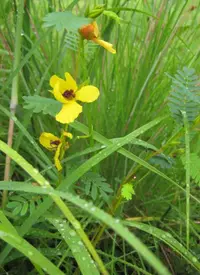
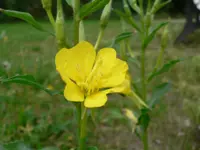
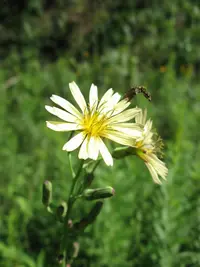
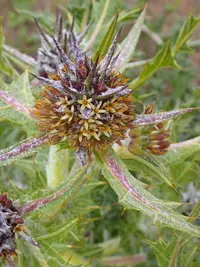
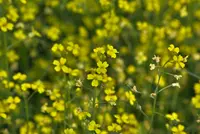
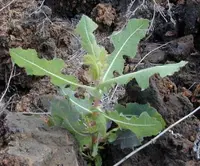
Crested wartycabbage, Bunias erucago, is an annual or short-lived perennial herb in the cabbage family. It forms upright stems with rough, warty seed pods and yellow, four-petaled flowers. Leaves are deeply lobed and somewhat coarse, giving the plant a robust, weedy look. It often grows in open fields, roadsides, and disturbed ground. This species is native to parts of Europe and western Asia and has naturalized in some other temperate regions, including parts of North America. It spreads mainly by seed and can become persistent once established, which affects how easy it is to manage. Those who want to care for crested wartycabbage should provide full sun, well-drained soil, and moderate moisture.

Main Plant Requirements

Care Difficulty

Easy Care

Light Preference

Full Sun

Water Requirements

Moderate Water

Temperature Preference

Cold Hardy

Hardiness Zone

4–9

Soil Texture

Sandy, Loamy

Soil pH

Slightly acidic (6.5–7.0), Neutral (7.0)

Soil Drainage

Well-drained

Fertilization

Minimal (feed rarely)

Get Personalized Care Plan

Scan your plant to receive care tips personalized for your specific plant

Available on iOS and Android

How to Care for the crested wartycabbage

Bunias erucago prefers open, bright sites with plenty of direct sun for strongest growth.

  • Provide 6–8 hours of direct sunlight daily; full sun is ideal, especially in spring and early summer.
  • Tolerates light partial shade (3–4 hours sun), but stems may elongate and flowering can decline with persistent low light.
  • In hot climates, protect from intense late-afternoon sun with light shade to reduce leaf scorch and moisture stress for crested wartycabbage.

This species prefers moderately moist, well-drained soil and does not thrive in waterlogged conditions.

  • Water when the top 3–5 cm of soil feel dry, using a deep soak rather than frequent light splashes, especially on young plants.
  • During hot, dry periods, monitor foliage; slight wilting by late afternoon indicates the need for a thorough watering and possibly mulch.
  • Reduce watering in cool seasons once growth slows, and avoid standing water, which can cause yellowing leaves, soft stems, and root rot in Bunias erucago.

This hardy plant tolerates a broad temperature range but performs best in mild to warm conditions.

  • Optimal active growth occurs around 60–75°F (16–24°C), typical of spring and early summer in many temperate regions.
  • Established plants tolerate down to about 20–25°F (-6 to -4°C); foliage may be damaged by hard frosts, but roots often survive and resprout.
  • Heat tolerance extends to about 85–90°F (29–32°C) if soil moisture is adequate; sustained higher temperatures with drought stress can stunt growth and reduce flowering.

Humidity is not a critical factor for Bunias erucago, which adapts well to typical household and outdoor air levels.

Bunias erucago prefers mineral, well-drained ground that does not stay wet for long periods.

  • Use a gritty mix such as 50–60% sandy or loamy garden soil blended with 40–50% coarse sand or fine gravel for structure.
  • Aim for slightly alkaline to neutral pH around 7.0–8.0, avoiding very acidic mixes that can limit nutrient availability.
  • Improve aeration by incorporating small amounts of mature compost and avoiding heavy peat-based substrates that compact easily.
  • Avoid locations or mixes that remain waterlogged, since prolonged saturation increases root rot risk and weakens the plant.

This species can be grown in containers if the pot is set up to mimic its naturally dry, well-drained conditions.

  • Choose a deep, heavy container that resists tipping as the plant develops a substantial root system and top growth.
  • Ensure multiple large drainage holes so water exits quickly, then discard any water that collects in outer sleeves or saucers.
  • Fill the pot with a sandy or gravelly mix that dries to at least the top 3–4 cm between waterings to prevent chronic moisture stress.

This hardy wild brassica needs minimal feeding, but light nutrition supports stronger growth when cultivated as crested wartycabbage.

  • Use a light top-dressing of compost or well-rotted manure in early spring before strong growth starts.
  • If needed, apply a balanced NPK fertilizer at 1/2 strength once every 4–6 weeks during the active growing season.
  • Avoid fertilizing in late fall and winter, when growth slows or plants die back, to prevent weak, frost-tender tissue.
  • Ensure soil drains well, as excess nutrients and poor drainage together increase risk of root problems.

Pruning Bunias erucago is mainly about tidiness and limiting self-seeding rather than shaping.

  • Cut back spent flower stalks in late spring or early summer to reduce unwanted reseeding and keep plants compact.
  • Remove dead, damaged, or diseased stems whenever noticed, using clean, sharp garden shears or scissors.
  • Thin out crowded shoots at the base to improve air flow and reduce foliar disease risk in dense plantings.
  • Trim back sprawling growth lightly after flowering to maintain a neater form without weakening the plant.

This species is usually grown in open ground, so focus on careful transplanting rather than frequent repotting.

  • Transplant in early spring or early fall, when temperatures are mild and soil moisture is steady.
  • Move plants only when necessary, for example if growth slows, plants are overcrowded, or container roots circle the pot.
  • Lift with a generous soil ball, disturb roots as little as possible, and replant at the same depth in well-drained soil.
  • Water thoroughly after transplanting, then keep soil evenly moist for 1–2 weeks to limit transplant shock and support root re-establishment.

Bunias erucago is most commonly propagated from seed, which suits its strong taprooted growth habit.

  • Sow fresh seed in fall outdoors or in early spring after frost, as natural chilling improves germination.
  • Use a free-draining soil mix, cover seeds lightly (2–3 mm), and keep evenly moist until seedlings appear.
  • Thin or prick out seedlings once they have 2–3 true leaves, transplanting carefully to avoid damaging the taproot.
  • Division is rarely practical due to the deep root; if attempted, split young plants only in early spring.

This cold-hardy perennial generally needs little special winter care in most temperate climates.

  • Plants tolerate typical frosts; top growth may die back while the root system stays viable.
  • In colder regions, apply a light mulch layer (2–5 cm) over the root zone after the ground cools but before severe freezes.
  • Container-grown plants benefit from shelter in an unheated garage, cold frame, or against a south-facing wall to moderate freeze–thaw cycles.

Care Tips

Encourage Bushier Growth

Pinch back the soft tips of young stems once or twice in spring to encourage branching and produce a denser clump with more harvestable shoots.

Timed Flower Stalk Removal

Cut flowering stems at the base just as buds appear if the goal is leaf and shoot production, but allow a few stems to flower and set seed if you want a controlled self-sown patch.

Deep, Infrequent Cultivation

Loosen soil 15–20 cm deep around the plants once or twice a season without disturbing the main root to improve drainage and aeration, which supports stronger regrowth after cutting.

Targeted Slug Management

Set low, shallow traps (such as flat boards or grapefruit rinds) near plants and remove hiding slugs early in the morning to protect young growth without relying solely on broad-spectrum pellets.

Rotational Patch Management

Rotate the patch location every 2–3 years and lightly till out unwanted seedlings in former beds to reduce pest buildup and keep populations of this vigorous species in check when growing crested wartycabbage.

Common Pests and Diseases

Crucifer flea beetles

These insects chew many small round holes in leaves, giving them a shot‑hole or lace-like appearance, and can severely weaken young plants.

Solution

Reduce nearby brassica weeds that act as hosts, use fine insect mesh or row covers over young plants, and apply a soil-safe diatomaceous earth barrier or neem-based spray on foliage during peak activity, repeating after rain as needed.

Cabbage seedpod weevil

This pest lays eggs in developing seedpods, where larvae feed on the seeds and reduce seed yield and viability.

Solution

Monitor flowering and early pod set, shake plants over a white tray to detect adults, then use targeted insecticide applications approved for brassicas at early pod stage or remove and destroy heavily infested seed heads before larvae complete development.

White rust

This disease causes pale yellow spots on upper leaf surfaces and white blister-like pustules on the undersides, often distorting leaves and shoots.

Solution

Remove and destroy infected leaves, avoid overhead irrigation, increase spacing for better airflow, and avoid planting susceptible brassicas in the same spot for several years to reduce the build-up of the pathogen.

Downy mildew

Symptoms include yellow to light green angular patches on upper leaf surfaces and a grey-violet downy growth on the undersides, especially in cool, damp conditions.

Solution

Improve drainage and airflow around plants, water at soil level in the morning, remove affected foliage, and rotate plantings away from other brassicas for 3–4 years to break the disease cycle; copper-based fungicides can be used where legally allowed and applied according to label directions.

Leaf spot (Alternaria)

This disease produces dark, round to irregular leaf spots, often with concentric rings, which can coalesce and cause premature leaf drop.

Solution

Collect and dispose of infected plant debris, keep foliage dry by watering at the base, rotate away from brassicas and related weeds, and use clean seed or seed treated against Alternaria when growing crested wartycabbage for seed production.

Interesting Facts

Mediterranean origin crop

This species is native to the eastern Mediterranean and western Asia, where it has long been associated with disturbed, open habitats such as field margins and roadsides, and it has been introduced to parts of central and eastern Europe and North America.

Coarse, pungent foliage

The leaves are rough and bristly to the touch and have a pungent, mustard-like flavor and odor typical of the Brassicaceae family, reflecting the presence of glucosinolates, which are sulfur-containing defense compounds.

Spiky warty seedpods

Its fruits are distinctive, inflated, warty pods with a spiny surface, which give rise to the common name crested wartycabbage and are a key feature for field identification and for botanists interested in Bunias erucago plant care in naturalized areas.

FAQs about crested wartycabbage

This species is regarded as potentially invasive in many temperate regions. It self-seeds freely, tolerates poor soils, and competes strongly with native vegetation, so it is often discouraged outside its natural range or carefully managed where present.

Grow Healthy Plants with Botan Care

Keep your plants happy and healthy with plant identification, disease detection, and easy care guidance.

Botan plant care app — identify plants on mobile

Explore More Plants