Kumquat Care (Citrus japonica)

Also known as: golden nutmeg orange, Nagami Kumquat, Marumi kumquat, Calamondin Orange
Kumquat

About Kumquat

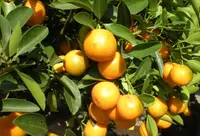
Kumquat, Citrus japonica, is a small evergreen citrus tree valued for its compact size and edible, sweet-tart fruits. It is often grown in containers or small gardens. The plant has glossy dark green leaves, fragrant white blossoms, and bright orange, oval fruits that are typically eaten whole with the peel.

C. japonica comes from East Asia and is now widely cultivated in warm-temperate and subtropical regions. It prefers bright light, moderate moisture, and well-drained soil, which makes it manageable for home growers.

Its slow growth, tolerance of pruning, and relatively good pest resistance make it one of the easier citrus species to keep, once you understand how to care for Kumquat.

Main Plant Requirements

Care Difficulty

Moderate Care

Light Preference

Full Sun

Water Requirements

Moderate Water

Temperature Preference

Warm Climate

Hardiness Zone

8–11

Soil Texture

Sandy, Loamy, Organic-rich

Soil pH

Acidic (5.5–6.5), Slightly acidic (6.5–7.0)

Soil Drainage

Moist but well-drained

Fertilization

Moderate (every 2–4 weeks)

Get Personalized Care Plan

Scan your plant to receive care tips personalized for your specific plant

Available on iOS and Android

How to Care for the Kumquat

Citrus japonica needs strong light to flower and fruit well, whether grown in the ground or in containers.

  • Provide 6–8 hours of direct sun daily; morning sun with light afternoon shade works best in hot climates to limit leaf scorch.
  • Plant in a south- or west-facing spot outdoors; in bright but cooler regions, full sun all day supports compact, heavy-flowering Kumquat growth.
  • Watch light levels seasonally: move container plants to the brightest, frost-free area in winter and protect from intense, reflected midday summer sun.

Citrus japonica prefers consistently moist but not saturated soil, with brief drying at the surface between waterings.

  • Before watering, check that the top 2–4 cm of soil are dry; water slowly until it drains from the bottom if in a container or through the root zone in the ground.
  • In spring and summer, expect more frequent watering during active growth and heat; in fall and winter, extend intervals as growth slows and evaporation drops.
  • Signs of overwatering include yellowing leaves, soft new growth, and sour-smelling soil; dry, curling leaves and fruit drop usually indicate underwatering or very fast-draining soil.

This citrus prefers warm, stable temperatures and is sensitive to hard frost.

  • Ideal growing range is 65–80°F (18–27°C), which supports steady leaf, flower, and fruit development without stress.
  • Short dips to 28–32°F (-2–0°C) may be tolerated by established trees, but extended frost or lower temperatures can damage foliage, flowers, and young wood.
  • In hot regions, 90–100°F (32–38°C) is tolerated if roots are mulched, soil moisture is stable, and trees are shielded from extreme reflected heat and hot, drying winds.

Citrus japonica prefers moderately humid air but usually adapts well to typical indoor humidity.

  • Aim for 40–60% humidity; brief dips lower are tolerated but prolonged very dry air can stress Kumquat foliage.
  • Watch for crisp leaf edges, leaf drop, or stalled growth as signs of humidity stress combined with underwatering or heat.
  • Increase humidity by grouping plants, placing pots on pebble trays with water below the pot base, or running a small room humidifier nearby.

Citrus japonica grows best in a loose, well-drained, slightly acidic mix that still holds steady moisture.

  • Use a loamy, airy mix combining roughly 50–60% peat- or coir-based potting mix with 20–30% perlite and 10–20% fine bark.
  • Ensure fast drainage so water runs through in seconds, leaving the mix moist but never waterlogged or muddy.
  • Target pH around 6.0–6.5; add a small amount of composted bark or leaf mold to support microbial activity and nutrient availability.
  • Avoid heavy clay, unamended garden soil, or pure compost, which compact easily, limit aeration, and raise the risk of root rot.

This species is well suited to container growing when the pot supports both drainage and root development.

  • Choose a deep, slightly oversized pot to allow a sturdy woody root system while avoiding extremely oversized containers that stay wet for too long.
  • Select a heavier material such as ceramic or thick terracotta if wind exposure is likely, to reduce tipping of the top-heavy crown.
  • Raise the container slightly on pot feet or bricks so drainage holes stay clear and excess water exits quickly after each watering.

Citrus japonica responds well to steady, moderate feeding that supports foliage and fruit without forcing weak growth.

  • Use a balanced citrus fertilizer or slow-release pellets with roughly equal NPK during active growth in spring and summer.
  • Feed container plants every 4–6 weeks, or as label directs, and reduce to 1–2 light applications in fall and winter.
  • Apply liquid feeds at 1/2–3/4 label strength to avoid root burn, especially in smaller pots.
  • Water before and after feeding Kumquat to distribute nutrients evenly and limit salt buildup in the soil.

Thoughtful pruning helps Citrus japonica maintain a compact, productive canopy with good light penetration.

  • Time main pruning for late winter to early spring, just before strong new growth begins.
  • Remove dead, diseased, or crossing branches first, then thin crowded interior shoots to open the canopy.
  • Shorten overly long shoots to shape the tree and support sturdy, fruit-bearing branches.
  • Use clean, sharp bypass pruners and make angled cuts just above outward-facing buds or side branches.

Container-grown Citrus japonica benefits from periodic repotting to refresh soil and prevent root congestion.

  • Check for roots circling the pot, pushing through drainage holes, or for slowed growth as signs it needs more space.
  • Plan major repotting or outdoor transplanting for late winter to early spring, before vigorous growth begins.
  • Repot every 2–3 years into a container 2–5 cm wider, using a well-drained citrus or loam-based mix.
  • Gently loosen circling roots, prune only damaged ones, water thoroughly after potting, and shade for a few days to reduce stress.

Citrus japonica is most reliably propagated from semi-hardwood cuttings, with seeds used mainly for rootstocks or experimentation.

  • Take semi-hardwood cuttings in late spring to summer, 10–15 cm long, with 2–3 leaves retained.
  • Dip the cut base in rooting hormone and insert into a sterile, free-draining mix kept at 70–75°F and high humidity.
  • Provide bright, indirect light and bottom warmth if possible, keeping the medium just moist, not wet.
  • Sow fresh seeds in warm, well-drained mix, understanding seedlings vary and may not match the parent tree.

Citrus japonica tolerates light frost but benefits from simple winter protection to safeguard roots and evergreen foliage.

  • In regions below about 20–25°F, grow in containers and overwinter indoors in bright, cool rooms.
  • Move pots inside before hard frost, allowing soil to dry slightly between waterings in lower winter light.
  • Outdoors, apply 5–8 cm of mulch around the root zone, keeping it a few cm away from the trunk.
  • During severe cold snaps, wrap small trees with breathable frost cloth to shield leaves and young stems from freezing.

Care Tips

Container size planning

Choose a heavy, wide container with multiple drainage holes and upsize only 5–8 cm at a time to prevent root shock and keep the root zone evenly aerated as the tree matures.

Root flare check

Ensure the top of the main roots (root flare) sits just at or slightly above the soil surface, never buried, to reduce risk of collar rot and improve oxygen access to the roots.

Seasonal light rotation

Rotate the pot a quarter turn every 2–3 weeks and shift the plant slightly closer to the brightest window in winter to maintain an even canopy and reduce weak, one-sided growth.

Hand pollination assist

If grown indoors or in low-insect areas, gently dab flowers with a small, clean brush from bloom to bloom over several days to improve fruit set and yield when growing Kumquat.

Targeted pest monitoring

Inspect the undersides of leaves and young stems weekly with a magnifying glass, focusing on the inner canopy, and isolate the plant promptly if scale, spider mites, or aphids are seen to allow early, localized treatment.

Common Pests and Diseases

Citrus leaf miner

This pest is a small moth larva that tunnels inside young leaves, causing silvery winding trails and distorted new growth.

Solution

Prune and discard heavily damaged young shoots, avoid frequent soft flushes caused by excess nitrogen, and use horticultural oil on new growth during active flush periods to deter egg-laying while maintaining good overall Citrus japonica care.

Citrus red mite

These insects are tiny, reddish mites that feed on the undersides of leaves, leading to stippling, dull foliage, and possible leaf drop in dry, warm conditions.

Solution

Rinse foliage thoroughly with a strong but gentle stream of water, increase humidity around the plant, and apply horticultural or neem oil to the leaf undersides, repeating applications as needed to break the life cycle.

Asian citrus psyllid

This pest is a small sap-sucking insect that causes distorted, curled young leaves and produces sticky honeydew, and it is also a known vector of serious citrus diseases outdoors in some regions.

Solution

Inspect new flushes regularly, prune and dispose of infested shoot tips, and use horticultural oil or insecticidal soap on young growth, combining this with strict avoidance of moving plant material from quarantine or high-risk citrus areas.

Citrus canker

This disease is a bacterial infection that produces raised, corky, brown lesions with yellow halos on leaves, stems, and fruit, often leading to defoliation and blemished fruit.

Solution

Promptly remove and discard infected leaves and twigs, avoid overhead watering and leaf wetting, disinfect pruning tools between cuts, and in outdoor plantings follow local recommendations on resistant varieties and copper-based preventive sprays where legally permitted.

Greasy spot

This disease is a fungal infection that causes yellow spots on older leaves which later turn dark, slightly raised, and oily-looking, leading over time to premature leaf drop, especially in humid climates.

Solution

Rake and dispose of fallen leaves to reduce fungal spores, keep the canopy well thinned for better airflow, avoid prolonged leaf wetness, and in outdoor trees use appropriately timed copper or other labeled fungicidal sprays if the disease is recurrent and severe.

Interesting Facts

Cold-tolerant citrus shrub

This species tolerates light frosts better than many other citrus, surviving brief drops near 20–23°F when established, which is why it has long been grown in cooler parts of East Asia and the southern US.

Entire-fruit edible

Unlike most citrus, its rind is thin, sweet, and aromatic, while the pulp is distinctly tart, so the fruits are traditionally eaten whole, including the peel.

Ancient East Asian crop

Citrus japonica has been cultivated for many centuries in China and Japan for its ornamental value, fragrant blossoms, and small fruits, and modern genetic studies place it among the earliest domesticated citrus groups.

Botan icon

Did you know?

Genetic research has shown that Citrus japonica represents a distinct lineage within the citrus group, and its genomes have been used as important reference material to clarify the complex hybrid origins and family tree of modern citrus varieties such as sweet orange and lemon.

FAQs about Kumquat

Yellow leaves usually result from incorrect watering, nutrient deficiency, or root stress. Check for soggy or very dry soil, then adjust watering. A balanced citrus fertilizer and good drainage often correct mild yellowing over several weeks.

Grow Healthy Plants with Botan Care

Keep your plants happy and healthy with plant identification, disease detection, and easy care guidance.

Botan plant care app — identify plants on mobile

Explore More Plants