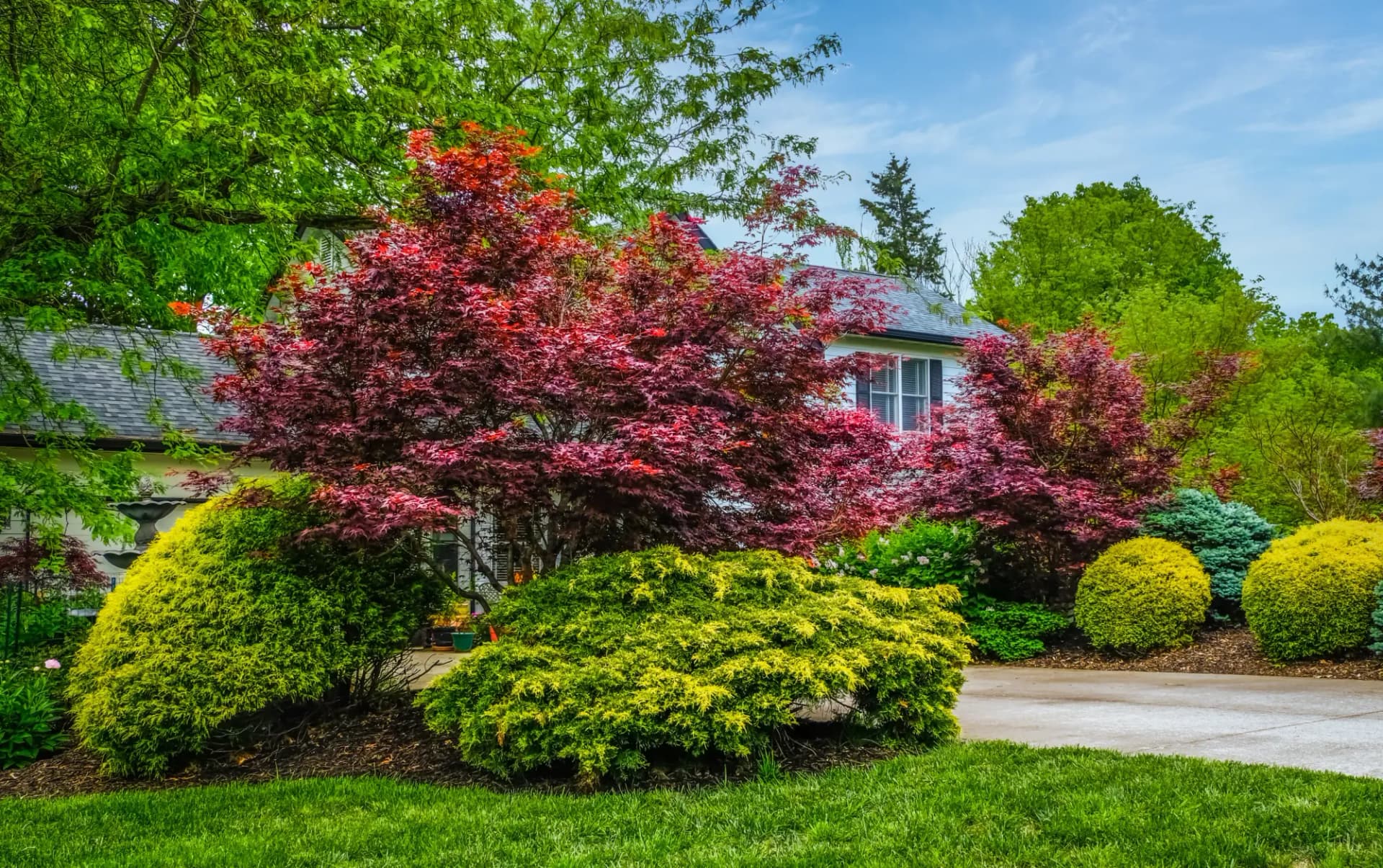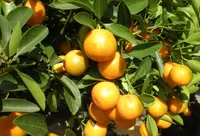



Best Soil for Kumquat (Citrus japonica)

A loose, moisture-retentive, well-drained mix helps Citrus japonica maintain healthy roots and steady growth.

Soil Texture

Sandy, Loamy, Organic-rich

Soil pH

Acidic (5.5–6.5), Slightly acidic (6.5–7.0)

Soil Drainage

Moist but well-drained

Citrus japonica Soil Guide

Native to eastern Asia, Citrus japonica comes from warm regions where soil stays lightly moist but drains freely. That background explains why Kumquat does best in a loose, airy substrate that does not stay dense or soggy around the roots.

Fine feeder roots need oxygen as well as moisture, so the best soil for Kumquat balances water retention with fast drainage. A sandy-loamy texture with some organic matter supports steady moisture, gentle acidity, and enough structure for healthy root growth without prolonged wetness.

A simple custom mix gives Citrus japonica the balance of airflow and moisture control its roots handle best in containers.

100% total mix = 20 scoops
20%
perlite or pumice4 scoops
20%
compost4 scoops
25%
pine bark fines5 scoops
35%
high-quality potting soil7 scoops

The finished blend should feel crumbly and light, hold some moisture, and let excess water pass through without staying dense.

Citrus japonica grows best in slightly acidic to acidic soil, around 5.5–6.5 pH. That range helps key nutrients such as iron, manganese, and magnesium stay more available to the roots.

It can usually handle soil that is a little closer to neutral, but nutrient uptake tends to be less efficient outside the preferred range. Keeping pH moderately acidic supports steadier growth and healthier leaf color over time.

Root issues in container citrus often start below the surface. Check the growing medium first when growth slows or the root zone seems off.

Compacted mix:

Compacted mix: Dense soil limits airflow around fine roots and may stay wet too long, so gently loosen the surface and plan to refresh the medium if it no longer drains evenly.

Soggy lower layer:

Soggy lower layer: Water can collect deeper in the pot even when the top looks dry, so inspect the drainage pattern and make sure excess moisture can move out freely.

Hydrophobic soil:

Hydrophobic soil: If dry mix shrinks from the pot edge and resists wetting, re-moisten it gradually so Citrus japonica roots are not exposed to uneven moisture.

Salt buildup:

Salt buildup: A pale crust on the surface or pot rim can point to mineral accumulation, so scrape off the top layer and flush the mix thoroughly once.

Better Soil Starts Here

Botan helps match this plant to a soil setup that suits its root habits, container conditions, and growing stage.

FAQ

Yes. Extra depth can leave lower layers wet for longer, especially in a slow-draining mix. Choose a container that fits the root mass rather than adding a lot of unused soil below.

More Plant Soil Guides

Check Your Soil Choice

If growth or leaf condition seems off, soil may be one factor worth checking. Botan’s photo-based assessment can help spot likely contributors.

Botan app helping with soil and plant care
Can Plants Grow With Artificial Light?

6 min read · 15 Sept 2026

Can Plants Grow With Artificial Light?

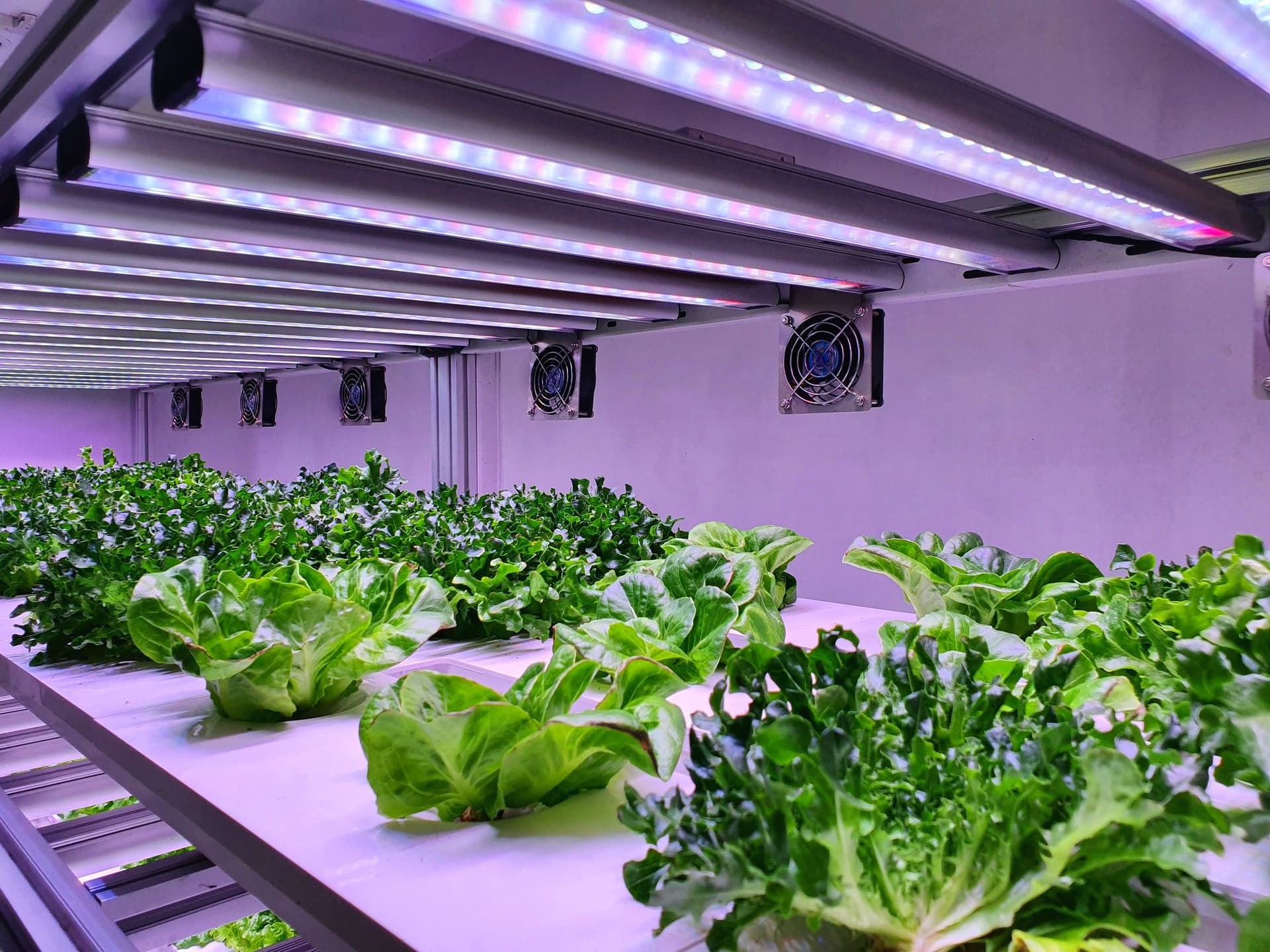
Plants can grow under artificial light when the setup provides a suitable spectrum, enough intensity, and sufficient daily exposure. This guide explains how artificial lighting compares with sunlight, which options work indoors, and how to match a setup to houseplants.

Plant Care
Can Plants Grow With Artificial Light?
How to Repot a Plant: A Step-by-Step Guide

7 min read · 28 May 2026

How to Repot a Plant: A Step-by-Step Guide

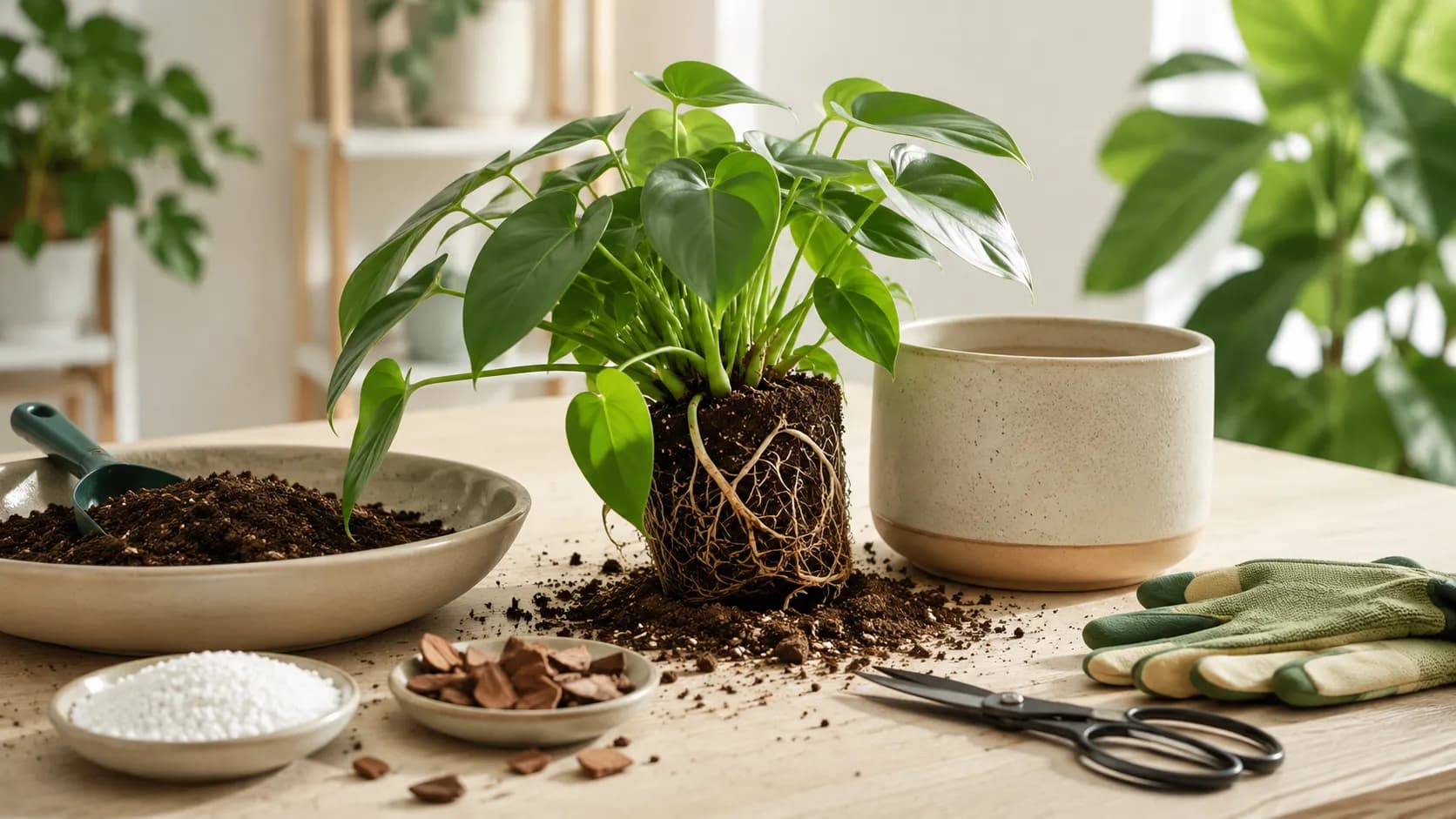
In spring, many plants need repotting—an essential part of care. To avoid stress, consider the plant’s type and size. This article offers a step-by-step guide for repotting indoors or outdoors and shows how to check plant health and get care tips using the Botan app.

Plant Care
How to Repot a Plant: A Step-by-Step Guide
13 Best Front Yard Trees for Every Home and Yard

12 min read · 7 Aug 2026

13 Best Front Yard Trees for Every Home and Yard

A front yard tree can stay for decades. Therefore, choosing one deserves serious consideration. Here are 13 trees that have proven themselves, sorted by their purpose. You'll also find five species to avoid and basic planting information.

Plant Recommendations
13 Best Front Yard Trees for Every Home and Yard