




5 min read · 11 Sept 2026
Top 5 Best Indoor Plants for Air Quality
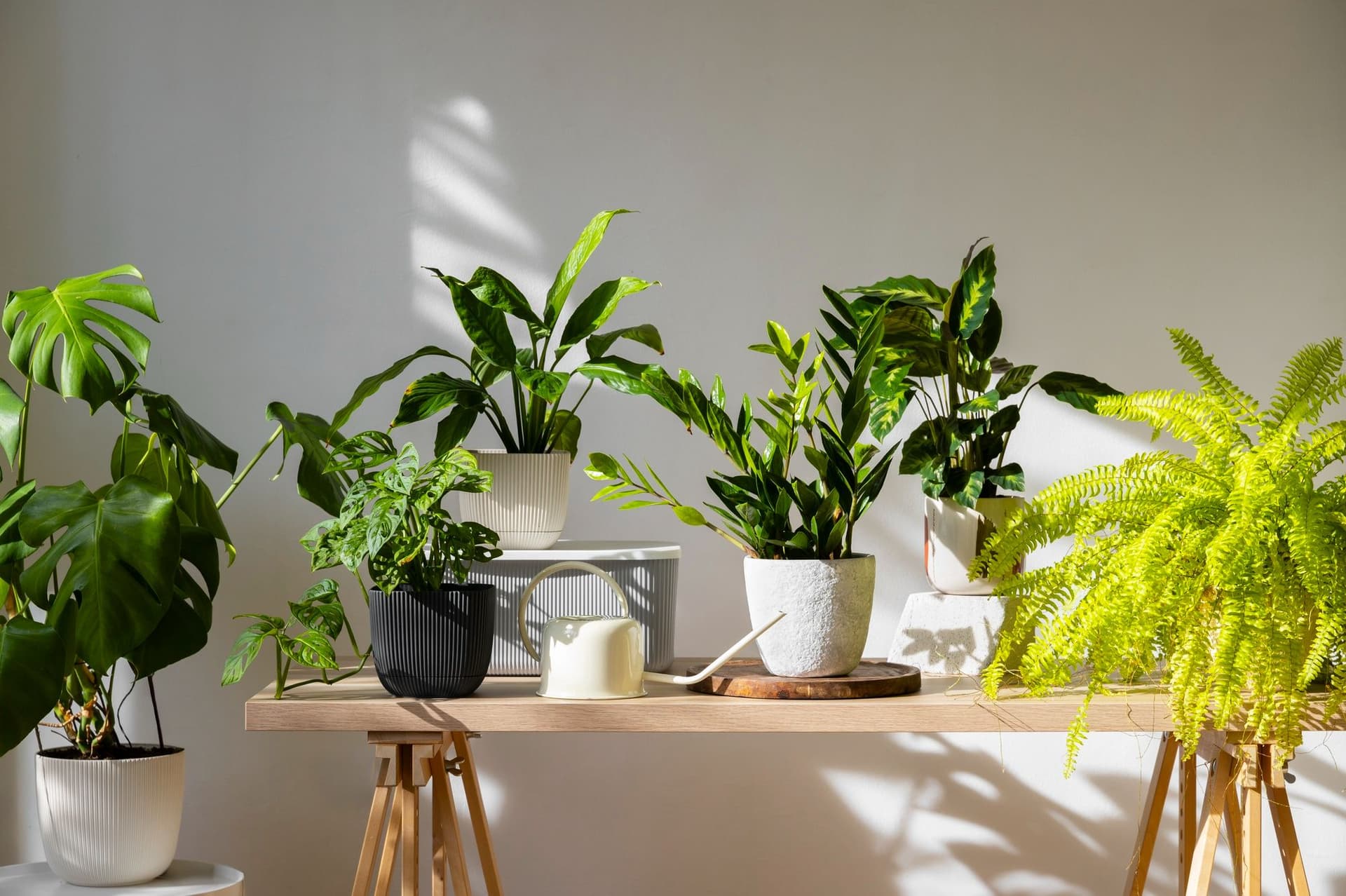
Indoor plants can make a room feel fresher thanks to their air-purifying qualities. Here are 5 of the most suitable choices for your routine and living space.
Plant Recommendations


Brassica cretica grows best in loose, well-drained soil that supports healthy root growth and steady nutrient uptake.

Soil Texture
Sandy, Loamy, Rocky

Soil pH
Slightly acidic (6.5–7.0), Neutral (7.0)

Soil Drainage
Well-drained
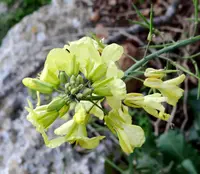
Native to the eastern Mediterranean, Brassica cretica grows in open, sunny places with sandy, loamy, or rocky ground. That background points to soil that drains freely and stays airy around the roots rather than dense or wet for long periods.
The best soil for mustard has a loose structure with some mineral grit and modest moisture retention. Its root system does best when oxygen can move through the soil easily, which supports steady growth while reducing stress from soggy conditions. Neutral to slightly acidic soil suits its natural preference.
A simple mineral-rich mix helps Brassica cretica establish quickly and stay evenly rooted in containers or raised beds.
The finished blend should feel loose, slightly gritty, and crumbly, with water moving through promptly instead of pooling around the root zone.
A good target range is about 6.5–7.0 pH. Mustard prefers slightly acidic to neutral soil, where key nutrients such as nitrogen, calcium, and phosphorus are generally easier for roots to access.
This species can handle a narrow shift around neutral, but extremes on either side may reduce nutrient availability over time. Testing occasionally is useful if growth seems uneven despite otherwise suitable care.
Most soil issues for mustard come from poor structure or stale growing media rather than unusual species-specific sensitivities.
Compacted soil: roots struggle to spread and the surface may stay hard after drying, so gently loosen the top layer and replace dense media with a fresher mix.
Waterlogged root zone: soil that stays heavy for too long can limit oxygen around the roots, so improve drainage and let excess moisture move through more freely.
Spent soil: older media can break down into finer particles and hold moisture unevenly, so refresh part or all of the potting mix if texture has become flat or muddy.
Salt buildup: a pale crust on the surface can point to mineral accumulation, so scrape off the top layer and flush the soil thoroughly once or twice.

Plant Soil Guide
Find the right soil mix for your plant and support healthier root growth
Botan can help identify the plant and guide a more suitable soil choice based on how it grows and what its roots need.
Yes. Drainage holes help excess water leave the container, which keeps the root zone better aerated and reduces the chance of heavy, stale conditions developing in the potting mix.
If growth looks off, soil may be one factor worth checking. Botan’s photo-based assessment can help you narrow down possible causes.
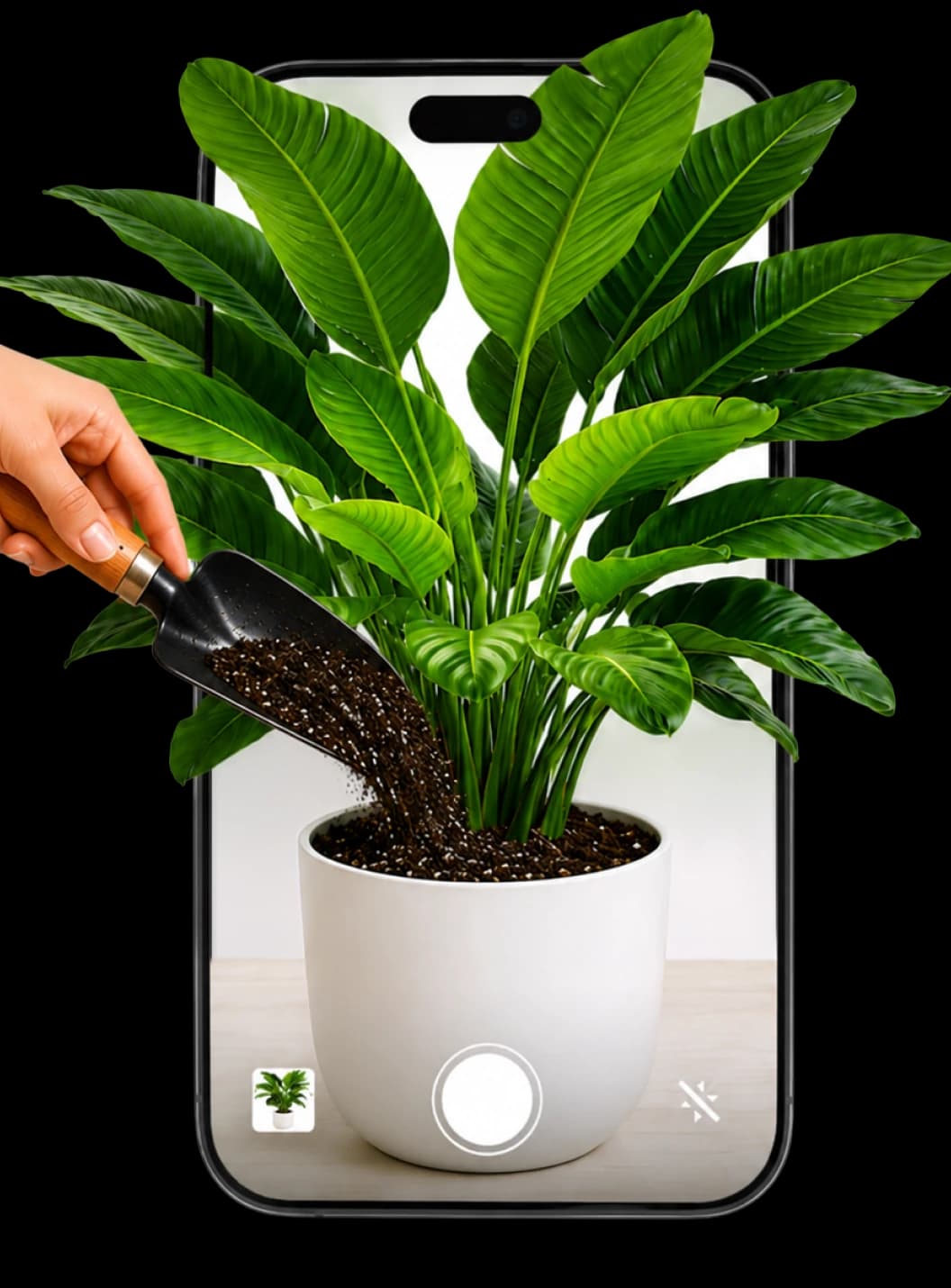
5 min read · 11 Sept 2026
Indoor plants can make a room feel fresher thanks to their air-purifying qualities. Here are 5 of the most suitable choices for your routine and living space.
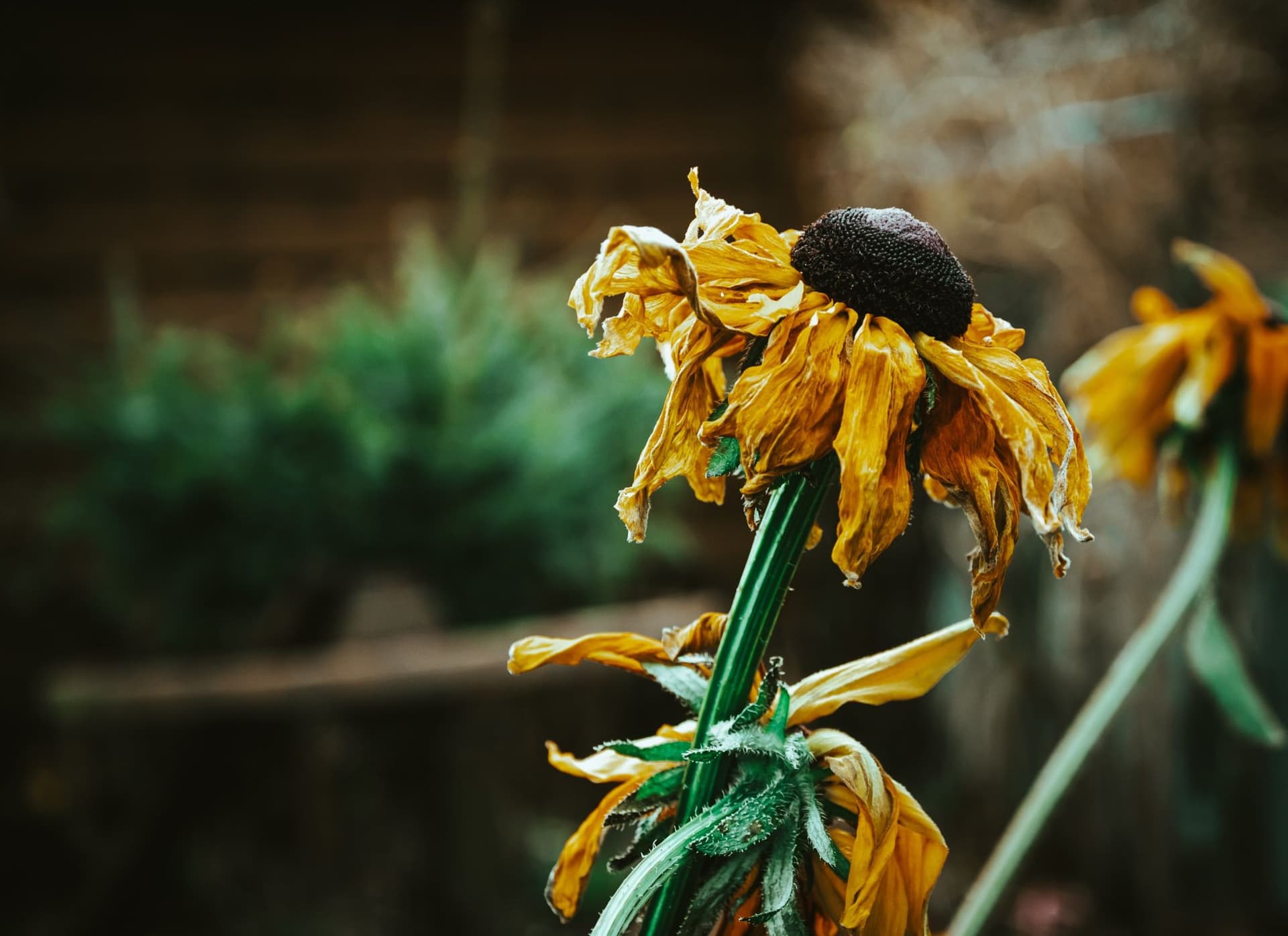
6 min read · 19 Aug 2026
A plant can lose its leaves, stop growing, or collapse and still remain alive. A closer look at the stems, roots, bulbs, and tubers can show whether the plant still has a chance to recover.
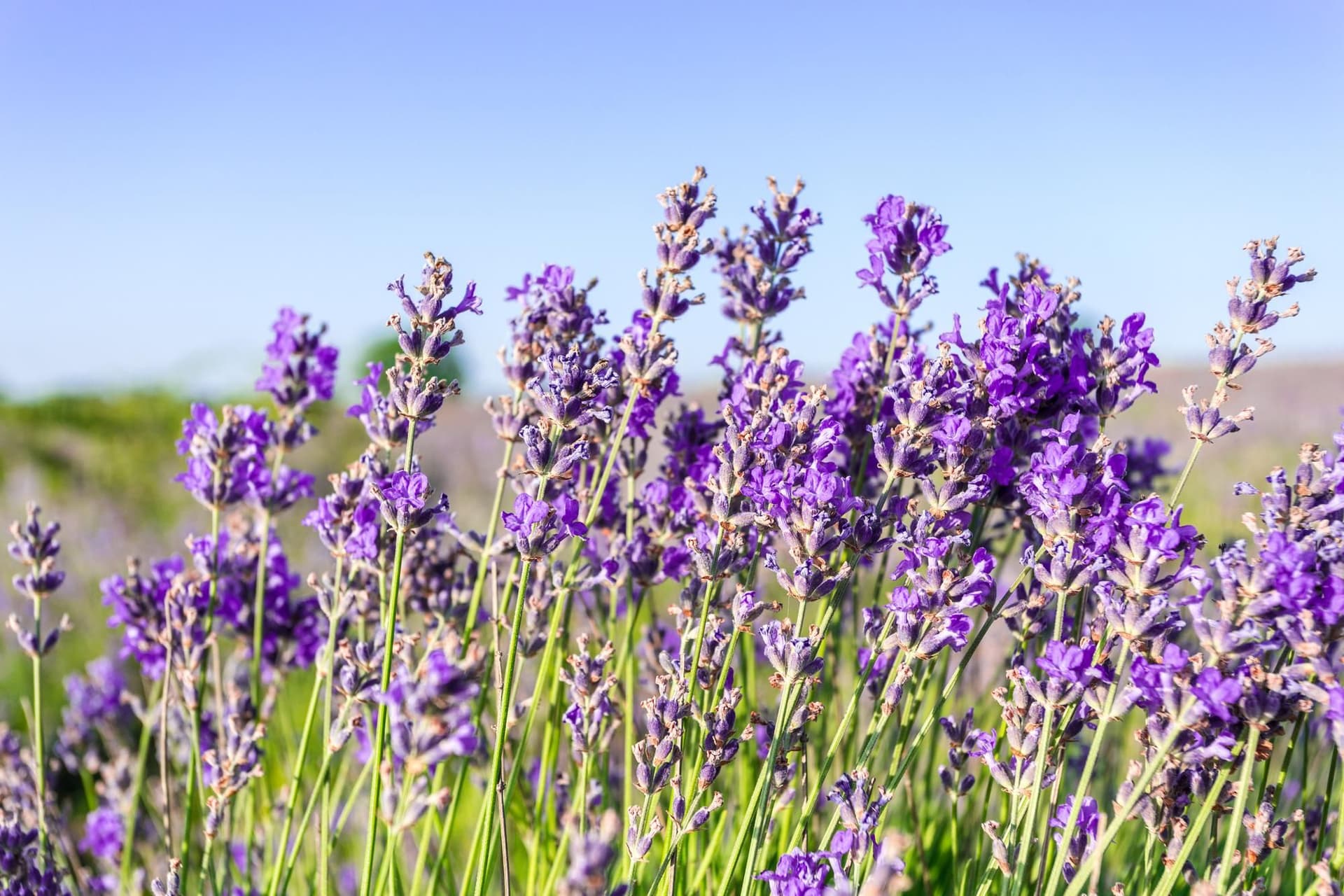
8 min read · 24 Jul 2026
Spiders constantly appear in places you don't want them. A few common plants can help repel them using scent alone. Here are 12 options suitable for both indoors and outdoors, plus care tips for each.