12 Best Plants That Repel Spiders For Your Home and Garden
Spiders constantly appear in places you don't want them. A few common plants can help repel them using scent alone. Here are 12 options suitable for both indoors and outdoors, plus care tips for each.

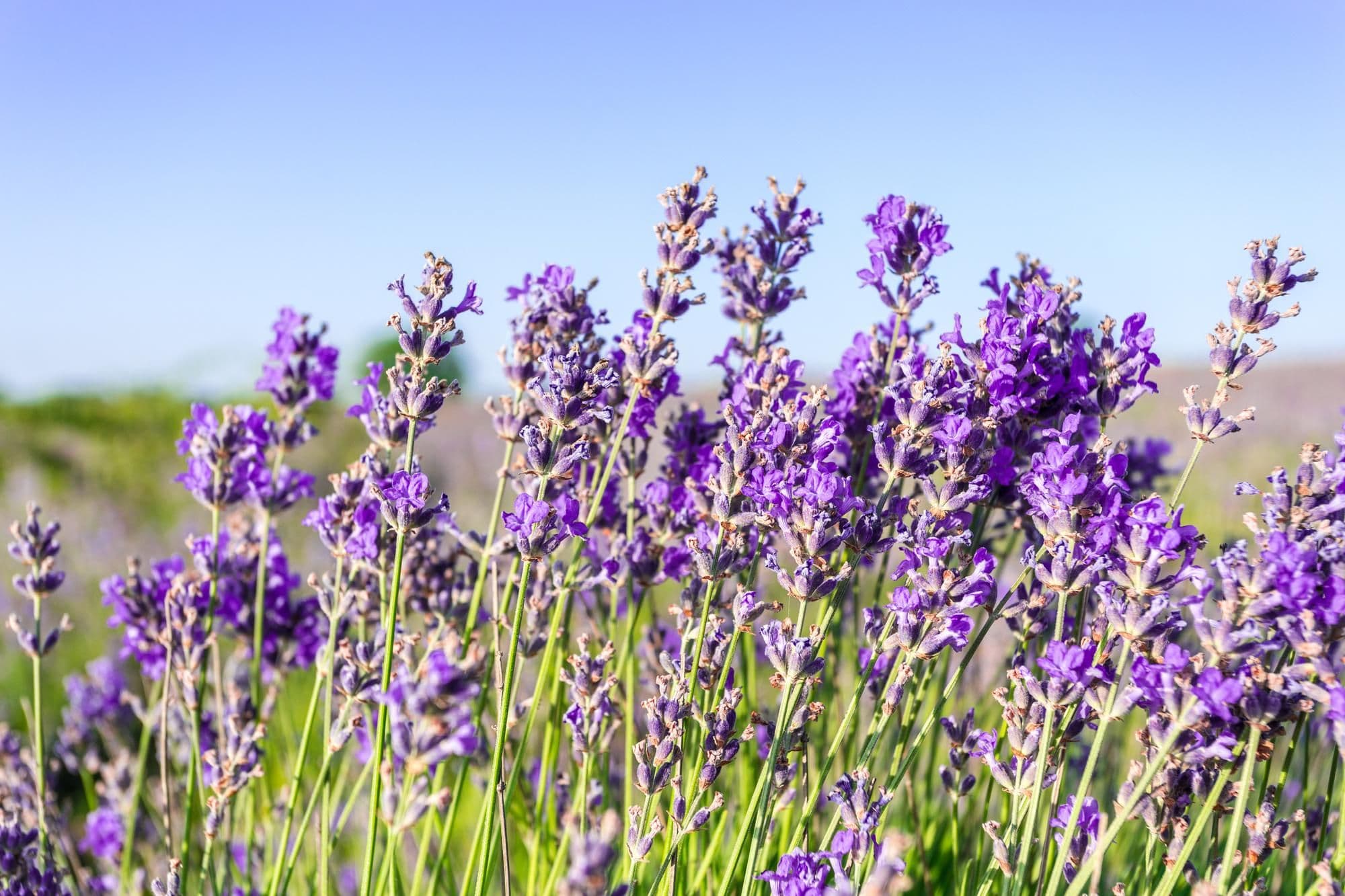
Spiders in your house? A few plants that repel spiders can drive them back outdoors. Lavender, peppermint, and chrysanthemum are particularly effective. Basil, rosemary, and lemongrass will also help. Each emits a scent that spiders would prefer to avoid.
If you're unsure what's growing on your windowsill, Botan can identify any plant from a photo in seconds. Its flower identifier is helpful when you can't tell a chrysanthemum from a marigold. It can also specify if a plant is safe for your pets.
Quick Selection Chart
Review this chart before you start making your selection. It sorts options by their benefits and pet safety.
Plant | Where Grows | Repelling Strength | Pet-Safe? |
Indoor + Outdoor | Strong | No | |
Peppermint | Indoor + Outdoor | Strong | No |
Indoor | Mild–Moderate | Yes | |
Indoor + Outdoor | Moderate | Yes | |
Outdoor | Strong | No | |
Indoor + Outdoor | Strong | No | |
Chrysanthemum | Outdoor | Strong | No |
Outdoor | Moderate | Mild toxicity | |
Lemon balm | Indoor + Outdoor | Mild–Moderate | Yes |
Catnip | Outdoor | Moderate | Yes |
Sage | Indoor + Outdoor | Mild–Moderate | Yes |
Citronella grass | Outdoor | Strong | No |

Fix Plant Problems
Leaves turning yellow or falling off? Find the cause and solutions
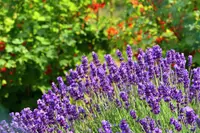
1. Lavender

Ask any gardener — lavender is almost always at the top of the list of spider-repelling plants. Spiders hate the scent, which is soothing to us. The oils in its flowers confuse spiders. It's also one of the best bedroom plants because it helps you relax before sleeping.
- Name: Lavender (Lavandula angustifolia)
- Plant Type: Perennial shrub (herb)
- Mature Size: 2–3 ft (60–90 cm) tall
- Sun Exposure: Full sun
- Water Needs: Low
- Best Placement: Sunny windowsill, doorway, or patio
- Pet Safety: Toxic to cats and dogs
- Spider-repelling strength: Strong
2. Peppermint

This refreshing menthol scent is exactly what spiders don't like. It's no wonder peppermint oil features in many pest studies. The fresh plant is gentler than the oil, but it still deserves a place in your home. Just be sure to grow it in a pot, as it spreads quickly and takes over a garden bed.
- Name: Peppermint (Mentha × piperita)
- Plant Type: Perennial herb
- Mature Size: 1–2 ft (30–60 cm)
- Sun Exposure: Partial – full sun
- Water Needs: Moderate–high
- Best Placement: Containers near entrances
- Pet Safety: Toxic to cats and dogs
- Spider-repelling strength: Strong
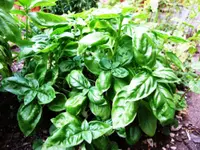
3. Basil

Most people grow basil for their kitchen. However, its strong and sharp leaves also repel spiders and flies — one pot on a windowsill will be enough. It's a rare species among indoor plants that repel spiders, and it’s non-toxic to your cat or dog.
- Name: Basil (Ocimum basilicum)
- Plant Type: Annual herb
- Mature Size: 12–24 in (30–60 cm)
- Sun Exposure: Full sun
- Water Needs: Moderate
- Best Placement: Windowsill in the kitchen
- Pet Safety: Non-toxic
- Spider-repelling strength: Mild–moderate
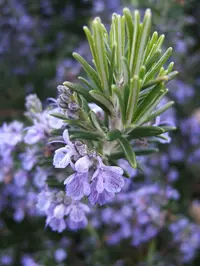
4. Rosemary

It is easy to grow because it's not too picky about conditions. Its sharp, pine-like aroma repels spiders and other crawling insects. Plus, the plant is drought- and heat-tolerant. Place a pot by the back door and let it keep spiders away.
- Name: Rosemary (Salvia rosmarinus)
- Plant Type: Evergreen shrub (herb)
- Mature Size: 2–4 ft (60–120 cm)
- Sun Exposure: Full sun
- Water Needs: Low
- Best Placement: Doorstep pots or kitchen
- Pet Safety: Non-toxic
- Spider-repelling strength: Moderate
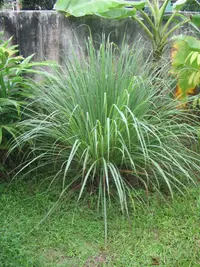
5. Lemongrass

Have you ever wondered what's inside those summer patio candles? It's citronellal, and lemongrass is absolutely chock-full of it. Spiders and mosquitoes stay away from it, which makes it one of the most effective plants that keep spiders away. It quickly grows tall in a spacious pot.
- Name: Lemongrass (Cymbopogon citratus)
- Plant Type: Tender perennial grass
- Mature Size: 2–4 ft (60–120 cm)
- Sun Exposure: Full sun
- Water Needs: Moderate to high
- Best Placement: Patio, deck, and large containers
- Pet Safety: Toxic to cats (mild)
- Spider-repelling strength: Strong
6. Eucalyptus

One whiff of the eucalyptus aroma and you'll understand why bugs avoid it. A few cut sprigs in a vase will freshen the room and repel spiders. Potted plants are grown outdoors in warm weather. The scent fades as the sprigs dry out, so you should replace them periodically.
- Name: Eucalyptus (Eucalyptus cinerea)
- Plant Type: Evergreen tree/shrub
- Mature Size: 3–6 ft (90–180 cm) potted; much taller in ground
- Sun Exposure: Full sun
- Water Needs: Moderate
- Best Placement: Cut sprigs indoors or potted on the patio
- Pet Safety: Toxic to cats and dogs
- Spider-repelling strength: Strong
7. Chrysanthemum

Few people ask what plants keep spiders away and think of chrysanthemums. Of all the plants on this list, they have the most tangible evidence of effectiveness. Their petals contain pyrethrins, the same natural compound used in bug sprays.
- Name: Chrysanthemum / Mums (Chrysanthemum × morifolium)
- Plant Type: Perennial flowering
- Mature Size: 1–3 ft (30–90 cm)
- Sun Exposure: Full sun
- Water Needs: Moderate
- Best Placement: Flower beds, borders, and porch pots
- Pet Safety: Toxic to cats and dogs
- Spider-repelling strength: Strong
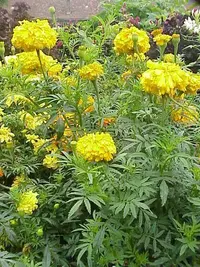
8. Marigold

Many gardeners deliberately plant marigolds along vegetable beds. The roots and flowers emit a smell that most bugs would prefer to avoid. They have been a favorite companion plant for many generations. Leave a few near the doors and windows just in case.
- Name: Marigold (Tagetes erecta)
- Plant Type: Annual flowering
- Mature Size: 6 in–3 ft (15–90 cm)
- Sun Exposure: Full sun
- Water Needs: Moderate
- Best Placement: Borders, vegetable beds, and window boxes
- Pet Safety: Mildly toxic (causes skin and gastrointestinal disorders)
- Spider-repelling strength: Moderate
9. Lemon Balm

Rub a lemon balm leaf, and you'll smell a mild lemony scent. It smells like mint, so insects generally don't touch it. Among spider-repelling plants, it's quite gentle. Best of all, it's harmless if your pet chews it.
- Name: Lemon balm (Melissa officinalis)
- Plant Type: Perennial herb
- Mature Size: 1–2 ft (30–60 cm)
- Sun Exposure: Partial to full sun
- Water Needs: Moderate
- Best Placement: Shady porch and containers
- Pet Safety: Non-toxic
- Spider-repelling strength: Mild–moderate
10. Catnip

Your cat will absolutely love catnip. Nepeta cataria leaves contain nepetalactone, which insects hate. It's funny, but the plant your cat loves so much quietly repels spiders. Keep it away from the door; otherwise, you'll attract all the cats outside.
- Name: Catnip (Nepeta cataria)
- Plant Type: Perennial herb
- Mature Size: 2–3 ft (60–90 cm)
- Sun Exposure: Full to partial sun
- Water Needs: Low–moderate
- Best Placement: Outdoor beds and away from entryways
- Pet Safety: Non-toxic (cats adore it)
- Spider-repelling strength: Moderate
11. Sage

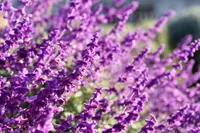
People have been burning sage for centuries to rid their homes of pests. Both dried leaves and the living plant have a repellent effect against spiders and other insects. Salvia officinalis won't top the list of plants that repel spiders. However, it's an excellent choice for a sunny herb bed.
- Name: Sage (Salvia officinalis)
- Plant Type: Evergreen perennial herb
- Mature Size: 1–2 ft (30–60 cm)
- Sun Exposure: Full sun
- Water Needs: Low
- Best Placement: Herb garden, or sunny sill
- Pet Safety: Generally non-toxic
- Spider-repelling strength: Mild–moderate
12. Citronella Grass

Anyone who's struggled with mosquitoes in July is familiar with citronella. The same lemon oil also repels spiders. It requires warmth and full sun to thrive. In colder regions, you can consider it a warm-weather plant.
- Name: Citronella grass (Cymbopogon nardus)
- Plant Type: Tender perennial grass
- Mature Size: 2–6 ft (60–180 cm)
- Sun Exposure: Full sun
- Water Needs: Moderate
- Best Placement: Big patio pots and borders
- Pet Safety: Toxic to pets
- Spider-repelling strength: Strong
Alternative Botanical Repellent Solutions
Plants have an off-season, and their activity significantly decreases in winter. The scent weakens, and spiders notice this. When your herbs stop repelling insects, a few alternatives can compensate:
- Essential oils. A few drops of peppermint or eucalyptus oil in water, sprayed on baseboards, provide good results for the price.
- Vinegar spray. Mix half white vinegar and half water. The smell is not too strong for us, but remains noticeable to spiders.
- Diatomaceous earth. This chalky powder breaks down spider shells. Sprinkle it in corners and cracks.
- Cedar. Hide cedar blocks in closets and drawers. Its oils act as a quiet natural repellent.
- Citrus peels. Rub fresh peels on windowsills and thresholds. Repeat every few days for a maximum result.
- Lavender leaves. Scatter dried bay leaves on shelves and in corners. Spiders hate the strong herbal scent.
- Cinnamon and cloves. Boil a few sticks on the stove or place whole cloves near cracks. Both emit a scent that insects hate.
- Neem oil. This plant oil is also a gentle insect repellent. You must mix it with water and spray where needed.
Each of these spider repellent methods is not 100% effective. Alternate two or three remedies, and you'll always be one step ahead. Combine a couple of them with your plants for best results, especially during the colder months.
A quick sweep of cobwebs once a week will help get rid of spiders completely. Also, seal cracks around windows and pipes with caulk — spiders won't be able to get indoors.
Why You Shouldn't Repel Every Spider
Most spiders are actually harmless and won't bite you. Just one spider can kill hundreds of pests in a year. It catches flies, mosquitoes, and aphids for free. Kill them all, and you'll lose this free help. Garden spiders are valuable for natural pest control, so let outdoor spiders do their job.
Leave the real problem to the few that bite. These are mainly black widows and brown recluses. You can leave the rest of the bugs alone. Aim your plants and sprayers at doorways and dark corners, not at the webs that quietly work in your yard.
FAQ
They are partially effective. A living plant emits a faint scent that repels spiders. Concentrated oil against spiders is much more effective.
Dariia Plaksina
Botanist
5 years of botanical research experience
Dariia Plaksina is a biologist, botanist, and writer of informational articles with over 5 years of experience exploring the world of plants, nature, and biology. She studied at Taras Shevchenko National University of Kyiv, Educational and Scientific Center “Institute of Biology and Medicine,” where she built a strong scientific foundation for her future work.
For Dariia, writing is a hobby, a calling, and a way to make reliable knowledge easier to understand. Her articles focus on plant care, plant health, and natural processes, helping readers learn more about the living world through clear, accessible, and science-based explanations.
Related Articles
5 min read · 11 Sept 2026
Top 5 Best Indoor Plants for Air Quality
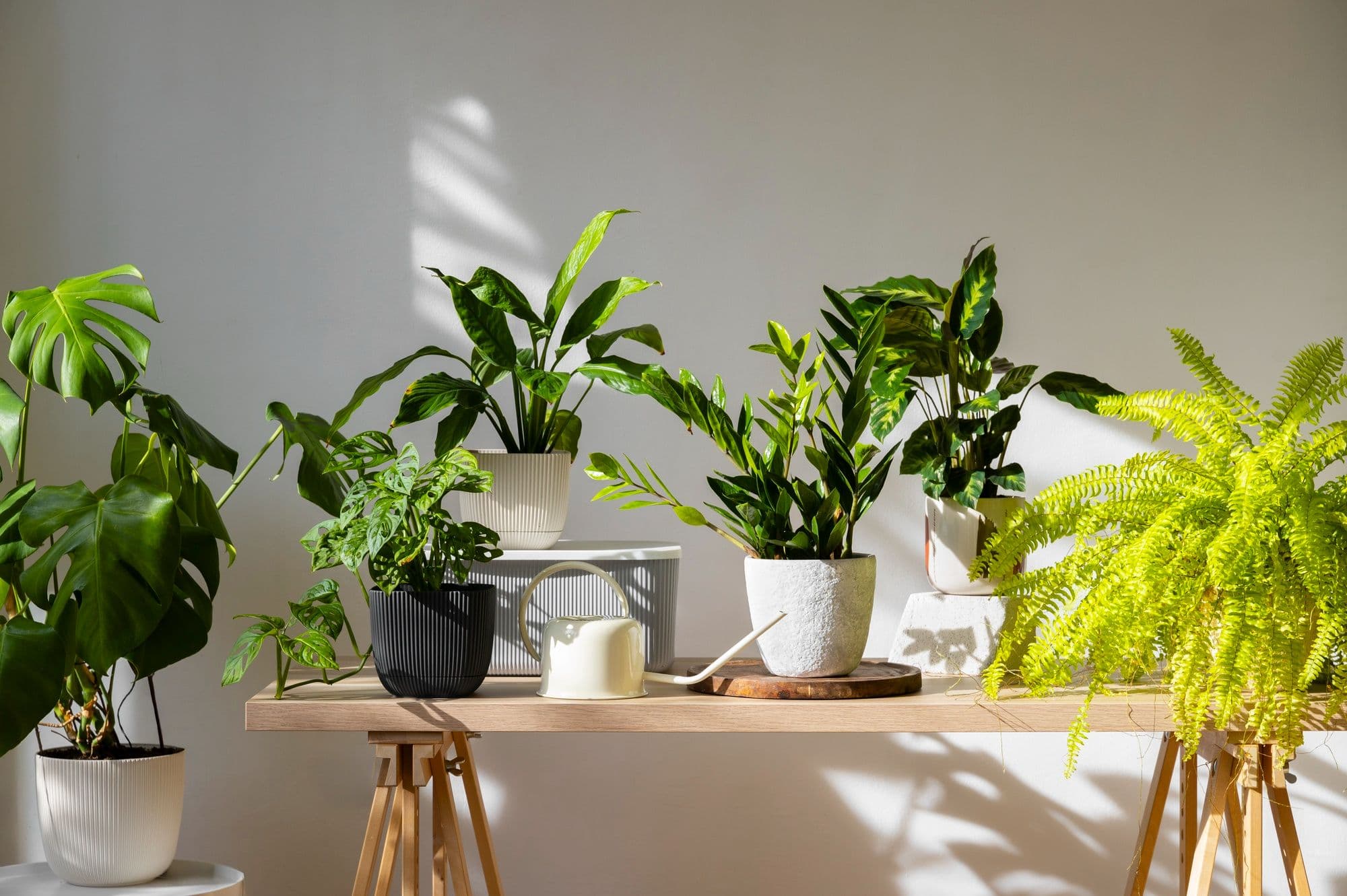
Indoor plants can make a room feel fresher thanks to their air-purifying qualities. Here are 5 of the most suitable choices for your routine and living space.

6 min read · 8 Sept 2026
Frozen vs Fresh Vegetable Nutrients: Which Option Is Healthier?
Frozen and fresh vegetables are nutritionally comparable: frozen produce often retains vitamins just as well as fresh and may sometimes contain more. Here’s how blanching and storage affect nutrients—and when to choose each.
10 min read · 25 Aug 2026
Thorny Plants: A Comprehensive Guide
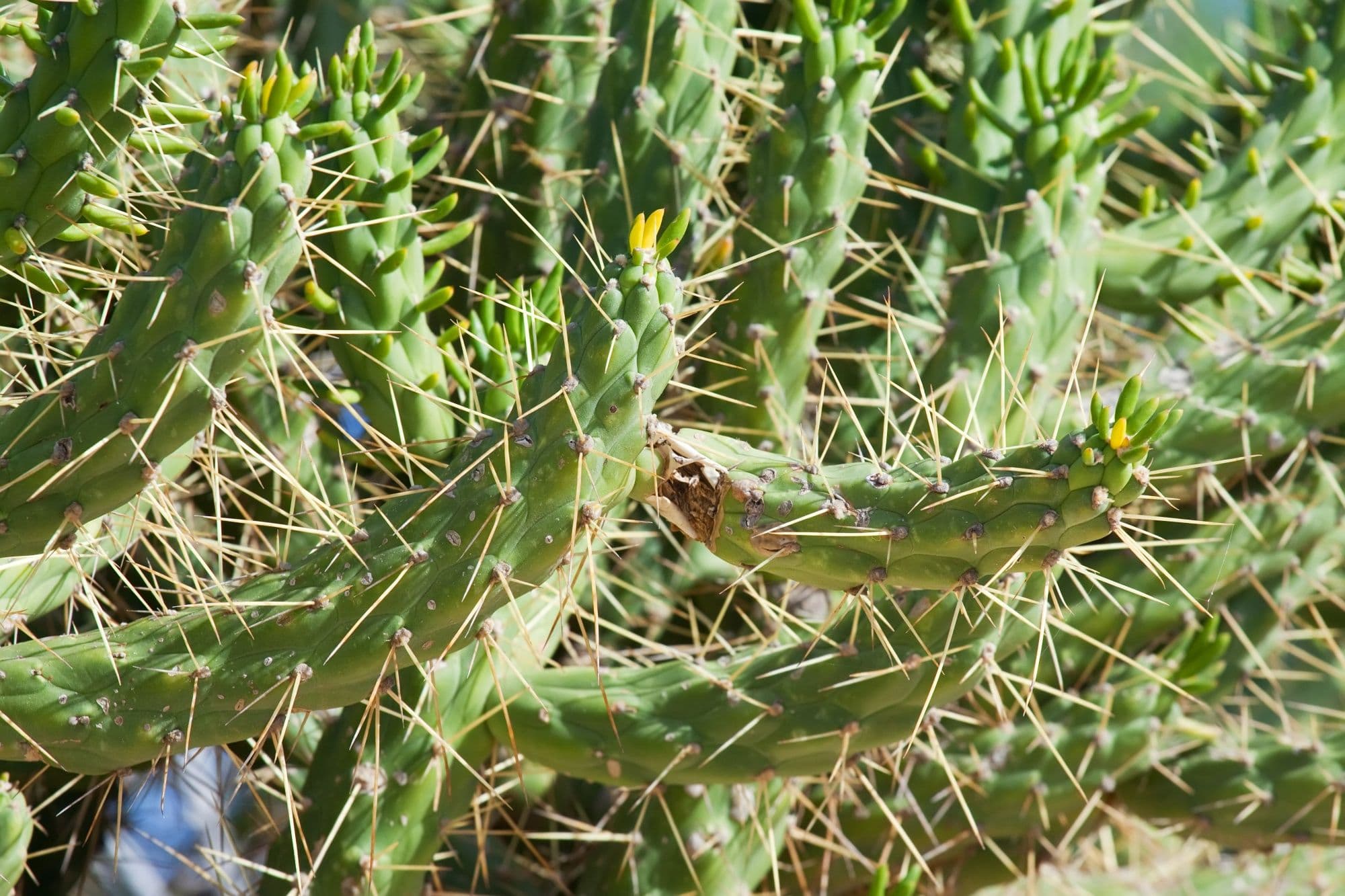
Many plants defend themselves with sharp thorns. This guide explores over 20 examples among flowers, shrubs, trees, and vines. You'll learn what each plant looks like, why it grows thorns, and how to quickly identify them.
Explore Plants by Care Needs
Identify the plant and problem. Help your plant recover
Identify plant problems early, understand what's wrong, and get clear care guidance. Botan helps you turn guesswork into confident plant care