Wind-hardening young trees
For the first 1–2 years, expose young plants to increasing wind in an open spot or by gradually removing windbreaks so they develop strong, flexible trunks that are less likely to snap later.

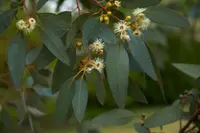
Cider gum, Eucalyptus gunnii, is a fast-growing evergreen tree from Tasmania, valued for its rounded juvenile leaves and smooth, peeling bark. It is often grown as an ornamental feature tree or coppiced regularly to maintain compact, attractive foliage for gardens and cut stems.
In its native range it can reach impressive heights, but in gardens it is usually kept smaller through pruning. It prefers full sun, well-drained soil, and moderate moisture, and it dislikes waterlogged conditions.
The species is vigorous and hardy, but its rapid growth and eventual size require thoughtful siting and regular pruning. Gardeners who understand these traits generally find it straightforward to care for Cider gum.

Care Difficulty
Moderate Care

Light Preference
Full Sun

Water Requirements
Moderate Water

Temperature Preference
Cold Hardy

Hardiness Zone
7–10

Soil Texture
Sandy, Loamy, Clay

Soil pH
Slightly acidic (6.5–7.0), Neutral (7.0)

Soil Drainage
Well-drained

Fertilization
Minimal (feed rarely)
Scan your plant to receive care tips personalized for your specific plant
Available on iOS and Android
Eucalyptus gunnii prefers bright, open conditions to develop a dense crown and healthy foliage.
Eucalyptus gunnii prefers evenly moist but free-draining soil, especially during establishment.
This species tolerates a wide temperature range but grows best in mild, temperate conditions.
This species handles typical indoor humidity but prefers moderately dry air.
Eucalyptus gunnii prefers lean, well-aerated soil that drains very quickly.
This species can grow in containers for several years if the setup manages its fast, woody root system.
This fast-growing Cider gum benefits from light, controlled feeding during the main growing season.
Pruning helps manage size and form of Eucalyptus gunnii and encourages healthy, well-spaced growth.
Most plants are grown in the ground, so focus on careful transplanting rather than frequent container repotting.
Propagation of Eucalyptus gunnii is possible from seed or semi-ripe cuttings under controlled conditions.
This species is relatively cold hardy but benefits from some winter care in colder regions.

Plant Health Check
Not sure what's wrong with your plant? Check your plant's health inside the app.
Young Eucalyptus gunnii plants carry rounded, opposite leaves with a blue-grey waxy coating that reduces water loss and gives the canopy a distinct silvery appearance. As the tree matures, leaf shape and arrangement change, but juvenile shoots often persist on pruned or coppiced plants, which is why florists value this species for cut foliage.
Among eucalypts, this species is notably hardy and can tolerate short periods of frost down to around 0°F when established and grown in suitable conditions. This cold tolerance explains why it is widely planted in temperate regions far cooler than the natural range of most eucalypts.
Eucalyptus gunnii is naturally restricted to cool upland areas of central and southern Tasmania, where it grows in open woodlands and grassy valleys with high rainfall. In its native range it often occurs on poorly drained or seasonally waterlogged soils that many other tree species avoid.

In parts of rural Tasmania, traditional accounts describe Eucalyptus gunnii as a local source of sweet sap, historically tapped and allowed to ferment into a mildly alcoholic drink known as cider gum, which is the origin of its common English name.
This species is typically fast-growing, often adding 60–120 cm of height per year in suitable conditions. Growth is quicker in warm, sheltered sites with deep, well-drained soil and slows noticeably in containers or colder climates.
Keep your plants happy and healthy with plant identification, disease detection, and easy care guidance.