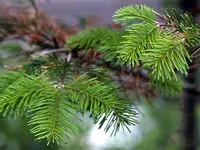
Single Leaf Pinyon Pine Care (Pinus monophylla)

Also known as: singleleaf pinyon, One-leaved Nut Pine, singleleaf piñon
Single Leaf Pinyon Pine

About Single Leaf Pinyon Pine

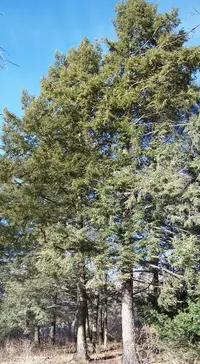
Single leaf pinyon pine, Pinus monophylla, is a slow-growing evergreen conifer known for its single needles and compact, rounded crown. It usually stays small to medium in size, making it interesting for dry gardens and specialty collections.

This species is native to the arid mountains of the southwestern United States, where it endures intense sun, cold winters, and poor, rocky soils. Its natural drought tolerance and slow growth habit mean it adapts best to low-moisture, well-drained conditions.

These traits make it hardy but not ideal for very humid or poorly drained sites. Understanding this dry, sunny origin helps guide how to care for Single Leaf Pinyon Pine in cultivation.

Main Plant Requirements

Care Difficulty

Moderate Care

Light Preference

Full Sun

Water Requirements

Low Water

Temperature Preference

Cold Hardy

Hardiness Zone

4–8

Soil Texture

Sandy, Loamy, Rocky

Soil pH

Slightly acidic (6.5–7.0), Neutral (7.0)

Soil Drainage

Well-drained

Fertilization

Minimal (feed rarely)

Get Personalized Care Plan

Scan your plant to receive care tips personalized for your specific plant

Available on iOS and Android

How to Care for the Single Leaf Pinyon Pine

This high-desert pine thrives in strong sun but adapts to a range of outdoor light conditions.

  • Provide 6–8 hours of direct sun daily; Single Leaf Pinyon Pine performs best in full sun on an open site.
  • Tolerates light afternoon shade in hotter regions, but dense shade leads to sparse, elongated growth and poor cone production.
  • Young trees benefit from some protection from intense late-afternoon summer sun to reduce needle scorch, while mature trees handle high light with minimal risk.

This species is drought-adapted and prefers infrequent, deep watering once established.

  • During establishment, water deeply when the top 5–8 cm of soil are dry, then allow the soil to dry almost completely between soakings.
  • Use very well-drained, sandy or rocky soil; persistent wetness or puddling around the roots indicates poor drainage and risks root rot in Pinus monophylla.
  • In summer, watch for dull, folding needles as a sign of underwatering; yellowing from the base and a sour soil smell often indicate overwatering.

This hardy pine tolerates wide outdoor temperature swings typical of high-desert and mountain climates.

  • Active growth is best around 60–80°F (16–27°C), with cool nights helping maintain compact form and healthy needles.
  • Mature trees tolerate winter lows near -10°F (-23°C) or slightly colder when planted in the ground and acclimated gradually.
  • Handles dry heat up to about 95–100°F (35–38°C) if soil is not waterlogged; combine good airflow and nonreflective mulch to limit heat stress around the roots.

This species handles dry air very well, so humidity is rarely a concern indoors or outdoors.

  • Ideal relative humidity is around 20–40%, similar to arid or heated indoor environments.
  • Single Leaf Pinyon Pine shows humidity stress mainly through marginal needle browning combined with soil dryness, not alone from low air moisture.
  • If indoor air is extremely dry and hot, reduce stress by avoiding heaters blowing directly on the foliage and keeping roots evenly but sparingly watered.

Pinus monophylla prefers very lean, mineral, fast-draining soil that mimics rocky desert slopes.

  • Use a sharply draining mix such as 50–70% coarse sand or grit with the rest pumice, perlite, and a small amount of low-organic potting soil.
  • Aim for slightly acidic to neutral pH around 6.0–7.2, avoiding strongly acidic peat-heavy mixes.
  • Increase aeration by incorporating coarse, angular particles rather than fine sand that can compact and slow drainage.
  • Avoid dense, water-retentive clay or compost-rich substrates, which promote root rot and weak, overly lush growth.

This species can be grown in containers for many years if the pot setup prevents chronic wetness and root overheating.

  • Choose a deep, heavy container to anchor the slow but eventually weighty canopy and reduce tipping in wind or on balconies.
  • Select unglazed clay or other porous materials to allow lateral moisture loss and keep the root zone drier between careful waterings.
  • In hot regions, shade the container walls or use a double-pot setup so intense sun does not overheat and cook the outer roots.

This slow-growing desert pine typically needs minimal feeding in the ground; focus on soil health over heavy fertilization when caring for Single Leaf Pinyon Pine.

  • For container or poor-soil plants, use a low-dose, balanced slow-release fertilizer (around 10-10-10).
  • Apply lightly once in spring; in very lean soils a second, smaller dose in early summer is enough.
  • Avoid fertilizing in fall and winter to prevent soft, frost-prone growth during dormancy.
  • Use half-strength compared with label rates and never apply to dry soil to limit root burn.

Pruning Pinus monophylla is usually light, aimed at safety and maintaining a natural, open form.

  • Best time is late winter to early spring, before active growth starts.
  • Remove only dead, diseased, crossing, or storm-damaged branches with clean, sharp bypass pruners or a pruning saw.
  • Avoid cutting back into bare older wood; shorten small, green branch tips if slight shape adjustment is needed.
  • Limit pruning sessions so no more than about 10–15% of live foliage is removed at once.

Transplanting Pinus monophylla is infrequent and should be done carefully, as this species dislikes major root disturbance.

  • Look for roots circling the container drainage holes, reduced vigor, or quick drying soil as signs a container plant needs more space.
  • Time transplants for late winter to very early spring, when the tree is still dormant but soil is workable.
  • Plan on moving young trees only once or twice; choose a permanent, sunny, well-drained site to avoid repeat transplanting.
  • Dig a wide planting hole, keep the root ball intact, set at the same depth, water deeply, then mulch lightly to reduce stress.

Pinus monophylla is almost always propagated from seed, as vegetative methods for this species are unreliable.

  • Collect ripe cones in late summer to fall, extract seeds, and store cool and dry until sowing.
  • Provide cold stratification at about 34–41°F for 60–90 days to break seed dormancy.
  • Sow in early spring into a sharply drained, gritty mix, just barely covering the seeds.
  • Maintain cool, bright conditions and moderate moisture; avoid waterlogging to protect slow-growing seedlings from rot.

This high-desert pine is very cold hardy and usually needs no special winter protection once established in the landscape.

  • Young or recently transplanted trees benefit from 5–8 cm of dry, coarse mulch around the root zone, kept away from the trunk.
  • Container-grown plants tolerate more root cold; in very harsh climates, move pots to a sheltered, unheated spot such as a cold frame.
  • Avoid winter overwatering; allow soil to drain well so roots are not exposed to saturated, freezing conditions.

Care Tips

Root zone protection

Apply a wide, thin layer of coarse gravel or decomposed granite around the drip line to keep the root zone cool, reduce soil compaction, and mimic this species’ natural rocky habitat.

Minimal disturbance planting

When transplanting young trees, disturb the root ball as little as possible and plant in a permanent location early, because this species develops a deep taproot that resents repeated moving.

Controlled companion planting

If using groundcovers, choose very low, sparse, drought-tolerant species and keep them at least 30–45 cm from the trunk to reduce competition for water and nutrients in the critical root zone.

Wind conditioning strategy

Site young trees where they receive moderate, not extreme, wind exposure so the trunk and roots strengthen gradually, then reduce staking after 1–2 years to encourage a stable, self-supporting structure.

Cone and seed management

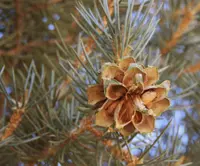
Remove a portion of developing cones on small or newly established trees so that limited resources go into root and structural growth rather than heavy seed production when growing Single Leaf Pinyon Pine.

Common Pests and Diseases

Pinyon needle scale

This pest feeds on needles, leading to yellowing, premature needle drop, and a thin, open crown over time.

Solution

Monitor needles in late winter and early spring for small, dark, shell-like bumps and prune out heavily infested twigs. For significant infestations, apply a targeted horticultural oil spray during the crawler stage as recommended by a local extension service, and reduce plant stress through proper watering and avoiding excess fertilizer.

Pinyon tip moth

These insects bore into shoots and buds, causing wilting, browning, and death of new tips, which can distort the tree’s shape and slow growth.

Solution

Prune and destroy affected tips as soon as wilting or frass (sawdust-like waste) appears to interrupt the life cycle. In areas where this insect is common, timed applications of a biological insecticide containing Bacillus thuringiensis (Bt) to new shoots may help protect developing tips; combine this with good Pinus monophylla care practices that limit drought stress.

Pinyon needle scale sooty mold

This disease develops secondarily when needle scale honeydew supports black, sooty fungal growth on needles and branches, making foliage look dirty and reducing photosynthesis.

Solution

Focus on controlling the underlying scale population and gently rinse affected needles with water to remove honeydew and mold where practical. Improve air circulation around the tree by avoiding overcrowding and removing dense interior twigs, which helps needles dry faster and limits mold development.

Pine bark beetles

These insects tunnel beneath the bark of stressed trees, leading to fading foliage color, resin pitch tubes on the trunk, and eventual branch dieback or whole-tree death in severe attacks.

Solution

Prevention is critical: avoid overwatering or compacting soil, protect roots from mechanical damage, and maintain the tree at a low to moderate vigor appropriate for growing Single Leaf Pinyon Pine in dry climates. Remove and properly dispose of heavily infested trees or branches to reduce local beetle populations, and consult a certified arborist about preventive trunk sprays only when regional beetle pressure is high.

Interesting Facts

Single-needle adaptation

Unlike most pines, which bear needles in bundles of 2–5, this species has a single stout needle per fascicle, an adaptation that reduces surface area and water loss in its arid Great Basin habitat.

High-calorie pine nuts

Its large, thin-shelled seeds are among the most calorie-dense pine nuts and have long been a staple food for Indigenous communities in the Great Basin, harvested, roasted, and stored as an important winter resource.

Keystone woodland builder

This slow-growing tree often forms open woodlands on dry, rocky slopes, creating shade, leaf litter, and habitat structure that support many shrubs, herbs, fungi, and animals in otherwise harsh environments.

Botan icon

Did you know?

Pinus monophylla is the only pinyon pine species native to California and is considered one of the most drought-tolerant pines in North America, allowing it to dominate some of the driest woodland zones along the Great Basin’s margins.

FAQs about Single Leaf Pinyon Pine

The seeds, often called pine nuts, are edible and highly valued. Cones take several years to mature, and harvesting usually involves collecting fully opened cones. Needles, bark, and resin are not commonly eaten and may cause discomfort.

Grow Healthy Plants with Botan Care

Keep your plants happy and healthy with plant identification, disease detection, and easy care guidance.

Botan plant care app — identify plants on mobile

Explore More Plants