Algerian Fir Care (Abies numidica)

Also known as: Algerian Silver Fir
Algerian Fir

About Algerian Fir

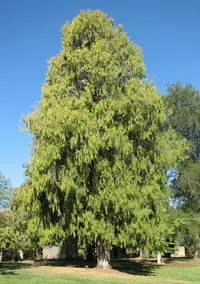
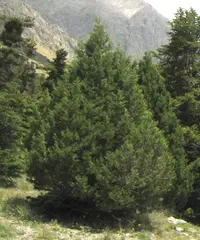
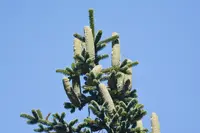
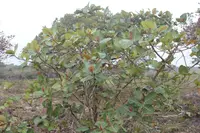
Algerian fir, Abies numidica, is an evergreen conifer tree valued for its dense, symmetrical form and short, silvery-blue needles. It forms a strong central trunk with layered horizontal branches, giving a classic fir outline.

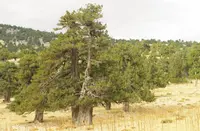
This species is native to the Atlas Mountains of Algeria, where it grows in cool, moist, high-altitude forests. In gardens, it prefers well-drained, slightly acidic soil and consistent moisture, along with full sun in cooler regions.

Its slow to moderate growth, intolerance of heat and pollution, and need for reliable moisture make it better suited to temperate climates and more attentive gardeners who care for Algerian Fir.

Main Plant Requirements

Care Difficulty

Moderate Care

Light Preference

Full Sun

Water Requirements

Moderate Water

Temperature Preference

Cold Hardy

Hardiness Zone

5–7

Soil Texture

Sandy, Loamy, Clay

Soil pH

Acidic (5.5–6.5), Slightly acidic (6.5–7.0)

Soil Drainage

Well-drained

Fertilization

Minimal (feed rarely)

Get Personalized Care Plan

Scan your plant to receive care tips personalized for your specific plant

Available on iOS and Android

How to Care for the Algerian Fir

This high-mountain conifer prefers bright, cool sun conditions and tolerates some shade.

  • Provide 6–8 hours of direct sun daily in cool or mild climates; in hotter areas, give morning sun with light afternoon shade.
  • Young Algerian Fir trees benefit from some protection from harsh afternoon sun to reduce needle scorch and moisture stress.
  • In dense shade, growth becomes sparse and open; choose a site with at least 4 hours of direct light and avoid deep shade under large trees.

This species prefers evenly moist but not saturated soil, especially while young and establishing roots.

  • Water when the top 3–5 cm of soil feels dry, applying a deep soak to reach the root zone rather than frequent light sprinkling.
  • During the first 2–3 years, check moisture weekly in dry weather; mature Abies numidica usually manages on natural rainfall except in prolonged drought.
  • Yellowing needles, soft shoots, or a sour smell in soil suggest overwatering or poor drainage, while browning tips and rapid needle drop indicate underwatering.

This cold-hardy conifer thrives in cool to moderately cold climates with distinct seasons.

  • Optimal growth occurs around 40–70°F (4–21°C), with strong performance in cool summers and cold, snowy winters.
  • Established trees tolerate winter lows near -20°F (-29°C) when sited in well-drained soil and exposed to gradual seasonal cooling.
  • Heat above 85°F (29°C), especially with hot, dry winds, can stress foliage, so use mulch to keep roots cool and avoid heat-reflecting sites near pavement or walls.

This species tolerates a wide humidity range and rarely needs special humidity management outdoors.

  • Target 40–60% humidity; typical outdoor levels in most climates are sufficient for healthy growth.
  • Algerian Fir copes with drier air but combined drought and hot, dry winds can brown needle tips and outer shoots.
  • If prolonged dry, hot weather occurs, reduce stress by mulching the root zone and providing wind protection rather than misting foliage.

Abies numidica prefers cool, deep, well-drained mineral soil with steady moisture and high aeration.

  • Use a loamy or sandy loam structure with moderate organic matter to keep the profile open and prevent waterlogging around the roots.
  • Aim for slightly acidic to neutral soil, around pH 5.5–7.0, avoiding strongly alkaline conditions that can limit nutrient uptake and cause chlorosis.
  • In heavy clay, improve structure by incorporating coarse sand, fine gravel, and compost into the top 30–40 cm to enhance drainage and root oxygen.
  • Avoid compacted, swampy, or seasonally saturated sites, since poor drainage greatly increases the risk of root rot and decline.

This fir can be grown in containers for many years, though it remains better suited to cool outdoor placements than indoor use.

  • Choose a tall, heavy container that resists tipping as the tree becomes top-heavy and exposed to wind.
  • Select a pot volume that allows a broad root plate, as cramped, shallow containers dry quickly and stress the tree in summer.
  • Use a mineral-based mix in large containers so the root ball stays aerated and does not become a dense, water-retentive mass over time.

Abies numidica has modest nutrient needs, so light, infrequent feeding is sufficient in most garden soils.

  • Use a balanced slow-release fertilizer (for example, 10-10-10) or well-rotted compost in early spring.
  • Apply once each growing season for in-ground trees; container plants may benefit from 1–2 light applications.
  • Use at 1/2 the label rate around the drip line, keeping granules away from the trunk.
  • Avoid feeding in late summer and winter to prevent tender growth before cold weather.

Pruning Abies numidica is usually minimal and focuses on safety and structure rather than frequent shaping.

  • Carry out light pruning in late winter or very early spring before new growth starts.
  • Remove dead, diseased, or storm-damaged branches using clean, sharp bypass pruners or a pruning saw.
  • Thin badly crossing or crowded branches to improve air flow without cutting into the central leader.
  • Avoid heavy cuts and topping, which distort the natural form and can weaken the tree.

Algerian Fir is typically field-grown or planted directly in the landscape, so care focuses on proper transplanting rather than frequent repotting.

  • Transplant young trees in late fall or early spring when soil is workable and temperatures are mild.
  • Look for circling roots in containers or slow, stalled growth as signs the plant has outgrown its pot.
  • Handle the root ball gently, keeping it intact; loosen only lightly if roots are tightly bound.
  • Water deeply after planting, then maintain consistent moisture and a mulch layer to reduce transplant stress.

Abies numidica is mainly propagated by seeds and semi-hardwood cuttings, but success often requires controlled nursery conditions.

  • Collect ripe cones in late summer to early fall and extract seeds once fully dry.
  • Provide a cold stratification period of about 6–8 weeks at 34–41°F to break seed dormancy.
  • Sow in a free-draining conifer mix, keep evenly moist, and maintain cool, bright conditions for germination.
  • Use semi-hardwood cuttings with rooting hormone under mist or high humidity, though strike rates can be low.

This species is generally cold hardy in suitable climates and often needs little special winter attention once established.

  • Young trees benefit from 5–8 cm of mulch over the root zone, kept away from the trunk flare.
  • In very exposed sites, use a windbreak or burlap screen to reduce desiccating winter winds.
  • Container-grown specimens in colder regions should be moved to a sheltered, unheated but frost-moderated location.

Care Tips

Wind‑hardening young trees

Stake only very young or newly planted trees for 1–2 years, then gradually loosen and remove ties so the trunk flexes in the wind and develops strong, tapered wood.

Snow load management

In climates with heavy, wet snow, gently sweep accumulated snow off the branches with a soft broom to reduce the risk of limb breakage, especially on multi-leader or lower scaffold branches.

Mulch for root stability

Maintain a 5–8 cm ring of coarse organic mulch over the root zone, kept a few cm away from the trunk, to stabilize soil temperature, reduce heaving, and support fine feeder roots.

Low-branch preservation

Allow lower branches to remain on the tree for as long as space allows, since they shade the root zone, reduce trunk sunscald, and contribute to a balanced, stable crown.

Preventing soil compaction

Keep foot traffic, vehicles, and heavy objects away from the drip line to avoid compacting the soil, which restricts oxygen to roots and slows overall growth when growing Algerian Fir.

Common Pests and Diseases

Adelgid aphids

This pest forms cottony white clusters on needles and twigs and can cause yellowing and premature needle drop. These insects feed on sap and weaken young and stressed trees of Algerian fir.

Solution

Prune and destroy heavily infested shoots, then hose down branches with a strong stream of water to remove colonies. For persistent infestations, apply a horticultural oil or insecticidal soap in early spring and again as needed, ensuring thorough coverage of the undersides of needles while avoiding application during high heat or drought stress.

Bark beetles

This pest bores into the trunk and thicker branches, leading to resin bleeding, scattered boring dust, and dieback of sections of the crown. These insects are more likely to attack trees already stressed by drought, heat, or poor site conditions.

Solution

Remove and destroy heavily infested branches or entire dead trees to reduce beetle pressure. Support tree vigor by deep but infrequent watering during dry periods, avoiding trunk injuries, and, in high-risk areas, consult a local arborist about preventive trunk sprays timed to local bark beetle flight periods.

Needle cast

This disease causes needles to yellow or brown from the inner branches outward, often leaving only the tips green, and affected needles drop prematurely. Symptoms include fine black fruiting bodies on dead needles in advanced stages.

Solution

Prune out and dispose of heavily affected lower branches and fallen needles to reduce fungal spores. Improve air movement by avoiding overcrowding, water at soil level rather than over the crown, and, if the problem recurs yearly, use a registered copper or chlorothalonil-based fungicide in spring when new needles emerge, following label directions carefully.

Canker disease

This disease creates sunken or cracked areas on branches or the trunk, often with resin oozing from the margins, and leads to progressive dieback beyond the affected point. Symptoms include sudden browning of individual branches while the rest of the crown appears healthy.

Solution

Cut out infected branches at least 15–20 cm below visible symptoms and disinfect pruning tools between cuts with alcohol or a 10% bleach solution. Reduce stress by maintaining even soil moisture, mulching the root zone, and avoiding mechanical damage to bark, and remove severely affected trees to prevent further spread to nearby conifers.

Interesting Facts

Restricted Algerian range

This fir is naturally confined to only a few small mountain massifs in northern Algeria, primarily the Djurdjura and Babors ranges, making it one of the most geographically restricted firs in the Mediterranean region.

High-altitude specialist

In the wild it typically grows at 1,800–2,000 m on north-facing slopes, where cool, moist air and late-lying snow help buffer it from the hot, dry Mediterranean summers.

Distinctive silvery needles

Its needles have two broad, bright white stomatal bands on the underside, giving the foliage a noticeably silvery or bluish cast compared with many other Mediterranean firs.

Botan icon

Did you know?

Wild populations of this species are considered endangered due to habitat loss, overgrazing, and climate-related stress, and it is listed as Endangered on the IUCN Red List, which has led to targeted conservation and reforestation programs in its native Algerian mountains.

FAQs about Algerian Fir

This species is slow-growing, typically adding 15–30 cm per year in good conditions. Growth is fastest in cool, moist, well-drained sites. Poor soil, heat, drought stress, or root disturbance can significantly reduce annual growth.

Grow Healthy Plants with Botan Care

Keep your plants happy and healthy with plant identification, disease detection, and easy care guidance.

Botan plant care app — identify plants on mobile

Explore More Plants