New Zealand red pine Care (Dacrydium cupressinum)

Also known as: Red Pine, rimu
New Zealand red pine

About New Zealand red pine

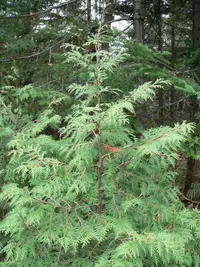
New Zealand red pine, Dacrydium cupressinum, is a slow-growing coniferous tree native to the cool, moist forests of New Zealand. It forms a tall, narrow crown with fine, drooping foliage that gives a soft, feathery look.

In nature it can become a large forest tree, but in cultivation it is often grown as a feature specimen or in collections. The species prefers cool, mild climates with consistent moisture and does best in acidic, free-draining soil.

Shelter from harsh drying winds and very hot sun makes it easier to care for New Zealand red pine, especially in warmer regions or exposed gardens.

Main Plant Requirements

Care Difficulty

Hard Care

Light Preference

Partial Shade

Water Requirements

Keep Soil Moist

Temperature Preference

Cool Climate

Hardiness Zone

8–10

Soil Texture

Loamy, Silty, Organic-rich

Soil pH

Strongly acidic (4.5–5.5), Acidic (5.5–6.5)

Soil Drainage

Moist but well-drained

Fertilization

Minimal (feed rarely)

Get Personalized Care Plan

Scan your plant to receive care tips personalized for your specific plant

Available on iOS and Android

How to Care for the New Zealand red pine

This slow-growing conifer prefers cool, consistently filtered light similar to its native forest habitat.

  • Provide bright, filtered light with 2–4 hours of gentle morning sun and protection from harsh midday and afternoon sun.
  • Tolerates partial shade and dappled light under taller trees; growth becomes looser and slower in deep shade but foliage usually remains healthy.
  • In hot summers, monitor needles for yellowing or browning on the sunniest side, which signals excess sun exposure for New Zealand red pine.

This species prefers evenly moist, cool soil and does not tolerate prolonged drought or standing water.

  • Water when the top 2–4 cm of soil feels slightly dry, allowing moisture to reach deep roots without leaving the soil soggy.
  • Use deep, infrequent soakings rather than light sprinkles; well-drained, organic-rich soil helps prevent root rot from waterlogged conditions.
  • Reduce watering during cooler seasons, watching for drooping, dull foliage as a sign of dryness and yellowing, soft tips as an indicator of overwatering in Dacrydium cupressinum.

This cool-temperate conifer grows best in mild, moist climates without temperature extremes.

  • Ideal growth occurs around 50–70°F (10–21°C), with steady moisture and protection from drying winds.
  • Tolerates brief drops to about 25°F (-4°C) once established, but young plants are more frost-sensitive and benefit from shelter.
  • In hotter regions, prolonged exposure above 85°F (29°C) stresses the plant, so combine shade, mulch, and soil moisture to buffer root-zone temperatures.

This species prefers cool, moist air and benefits from moderately high humidity in cultivation.

  • Aim for 50–70% humidity; it tolerates brief dips lower but reacts poorly to very dry heated rooms.
  • Dry tips, dull foliage, and slower growth indicate humidity stress in New Zealand red pine.
  • Increase humidity with a pebble tray under the pot, grouping plants, or a room humidifier rather than misting foliage.

Provide cool, moist, well-aerated soil that mimics a forest floor for Dacrydium cupressinum.

  • Use a loose, organic-rich mix such as 50% pine bark fines, 30% peat or coco coir, and 20% perlite or pumice.
  • Ensure fast drainage; water should pass through in seconds, with no standing water in the saucer or outer cachepot.
  • Target slightly acidic conditions around pH 5.5–6.5, avoiding liming agents and hard irrigation water where possible.
  • Avoid heavy clay, compacted, or peat-only mixes that stay waterlogged and exclude air from the root zone.

This conifer can be grown in containers for many years if the pot setup supports its tall, eventually top-heavy habit.

  • Select a deep, relatively narrow container that allows a stable root column without encouraging excessive outward spread.
  • Choose a heavy ceramic or clay pot to counterbalance wind and canopy weight and reduce tipping.
  • Raise the pot on feet so drainage holes stay clear and excess water escapes freely after rain or irrigation.

This slow-growing conifer needs only modest feeding, especially when grown as New Zealand red pine in the landscape.

  • Use a balanced slow-release fertilizer (around 10-10-10) or well-rotted compost lightly incorporated into the soil in early spring.
  • Feed once each growing season for in-ground trees; young container plants may receive a second light application in midsummer.
  • Apply at half the label rate for conifers to avoid salt buildup and excessive, weak growth.
  • Do not fertilize in late fall or winter, as the plant is less active and extra nutrients are unnecessary.

Dacrydium cupressinum requires minimal pruning, mainly to maintain health and a natural form.

  • Carry out light pruning in late winter or very early spring before new growth starts.
  • Remove only dead, diseased, or storm-damaged branches, cutting back to healthy wood with clean, sharp bypass pruners or a pruning saw.
  • Thin congested interior shoots sparingly to improve airflow while keeping the characteristic weeping outline.
  • Avoid heavy structural cuts, which can disfigure the tree and lead to poor regrowth.

This species is usually planted outdoors and moved only a few times in its life, as mature trees resent disturbance.

  • Transplant young trees in late winter or early spring when still small and easier to handle.
  • Look for signs such as roots circling the nursery pot, slow growth, or frequent drying as indicators that a larger container or ground planting is needed.
  • Shift up container plants only every 2–3 years, stepping into a pot 2–5 cm wider to reduce root stress.
  • Water thoroughly before and after transplanting, keep the root ball intact, and shade the tree for 1–2 weeks to limit transplant shock.

Propagation of this conifer is possible but slow and better suited to patient or experienced growers.

  • Use fresh seeds from ripe cones in late autumn, sowing in a free-draining, slightly acidic mix kept cool and evenly moist.
  • Provide bright, indirect light and stable temperatures around 55–65°F to support slow, sometimes erratic germination.
  • Semi-hardwood cuttings taken in late summer may root under high humidity and bottom heat, but success rates can be low.
  • Handle seedlings gently and pot on only when roots fill the plug or tray cells to avoid setback.

This evergreen is relatively cold hardy in mild, coastal climates but benefits from basic winter precautions in colder areas.

  • Tolerates light frosts but can suffer damage in prolonged freezes below about 20°F, especially when young.
  • Apply a 5–8 cm layer of mulch around the root zone in late fall, keeping it slightly away from the trunk.
  • Shelter young trees from drying winter winds using windbreaks or temporary screens to limit desiccation.
  • Grow Dacrydium cupressinum in large containers only in mild regions and move pots to a cool, frost-free location for severe cold snaps.

Care Tips

Shelter From Wind

Site plants where taller shrubs, fences, or shade structures break strong winds, as persistent exposure dries foliage and can distort the naturally drooping branch structure.

Mulch To Cool Roots

Apply a 5–8 cm layer of bark or wood-chip mulch over the root zone, keeping it a few cm away from the trunk, to keep roots cool, reduce competition from grass, and stabilize soil moisture.

Train Central Leader

In young trees, maintain a single straight leader by loosely staking and tying with soft, non-abrasive material, checking at least twice a year to prevent girdling and encourage a stable, tall crown.

Protect From Soil Compaction

Keep regular foot traffic, vehicles, and heavy equipment away from the drip line to avoid root damage; if soil is already compacted, topdress annually with composted bark to slowly improve structure without disturbing roots.

Plan For Mature Size

When caring for New Zealand red pine, plant at least 4–6 m away from buildings and overhead lines so the tree can form its characteristic narrow column without needing severe structural pruning later.

Common Pests and Diseases

Armillaria root disease

This disease is caused by Armillaria fungi that colonize and decay the root system, leading to progressive decline and death in stressed trees. Symptoms include thinning foliage, dieback of branch tips, and resin bleeding near the base, often with white fungal sheets under the bark.

Solution

Remove and destroy severely affected trees, including as much of the major root system as possible, to reduce inoculum in the soil. Avoid replanting New Zealand red pine on known infested sites, improve drainage and soil aeration, and maintain strong tree vigor through appropriate watering and avoidance of mechanical root damage.

Phytophthora collar rot

This disease affects the collar and lower stem where poorly drained or compacted soils keep the base of the tree wet, causing bark collapse and foliage yellowing or bronzing. Symptoms include resin exudation at the lower trunk and a sharp margin between healthy and dead tissue beneath the bark.

Solution

Improve drainage around the base, avoid water pooling, and prevent soil or mulch from being mounded against the trunk. Prune out and dispose of dead material, irrigate more sparingly, and in high‑value specimens consult a local arborist about use of registered phosphite treatments as part of broader Phytophthora management.

Hylastes bark beetles

These insects attack stressed or recently planted trees, boring into the bark and cambium and introducing staining fungi. Symptoms include pitch tubes, fine boring dust, and rapid foliage browning on affected stems.

Solution

Reduce stress by avoiding drought, waterlogging, or heavy pruning, and protect trunks from mechanical damage. Promptly remove and dispose of heavily infested or dead material, avoid stacking fresh conifer logs nearby, and consider trapping or targeted beetle management in plantation or shelterbelt settings.

Scale insects

These insects feed on sap along twigs and small branches, weakening trees and sometimes leading to sooty mold growth on honeydew deposits. Symptoms include small, dome‑shaped or shell‑like bumps on stems and a sticky surface on foliage beneath.

Solution

Prune out and destroy heavily infested twigs and improve light and airflow through careful thinning. For lighter infestations, physically wipe or gently brush scales from accessible branches, and where necessary use a horticultural oil spray applied thoroughly to stems during mild, dry weather, following label directions.

Needle blight

This disease affects foliage, especially in dense or shaded parts of the crown, causing browning and premature needle drop. Symptoms include scattered dead needles progressing to patchy thin foliage on lower or inner branches.

Solution

Remove and dispose of infected fallen needles and thin congested branches to improve light and air movement within the canopy. Avoid overhead watering that keeps foliage wet for long periods, water at soil level instead, and in plantation or high‑value trees seek local guidance on any appropriate fungicidal program as part of integrated Dacrydium cupressinum plant care.

Interesting Facts

Unique red juvenile leaves

Young foliage often shows a distinct reddish or bronze tint before maturing to dark green, which is why the species is commonly called New Zealand red pine despite being a podocarp, not a true pine.

Specialist bird food source

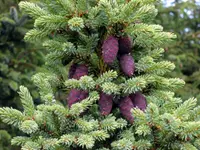
The soft, fleshy cones are an important seasonal food for native New Zealand birds such as kākā and kererū, which swallow the cone-bearing structures whole and disperse the seeds through their droppings.

Southern Hemisphere relict

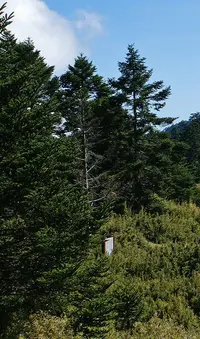
This species is a long-lived conifer that can dominate cool, wet lowland forests in parts of New Zealand, representing a surviving lineage from ancient Gondwanan forests that once covered much of the Southern Hemisphere.

Botan icon

Did you know?

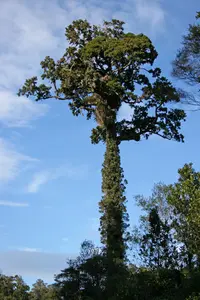
Individual New Zealand red pines can reach ages of 600–800 years or more, forming massive, straight trunks that become prominent emergent trees towering above the surrounding forest canopy in mature stands.

FAQs about New Zealand red pine

Growth is slow to moderate. In suitable outdoor conditions it may add about 20–40 cm of height per year when young, often slowing with age. Poor drainage, compacted soil, or limited root space further reduce growth rate.

Grow Healthy Plants with Botan Care

Keep your plants happy and healthy with plant identification, disease detection, and easy care guidance.

Botan plant care app — identify plants on mobile

Explore More Plants