Wind-hardening young plants
Grow container-raised plants in a sheltered spot first, then gradually expose them to stronger wind over 2–3 weeks so stems lignify and cope better with coastal or exposed planting sites.

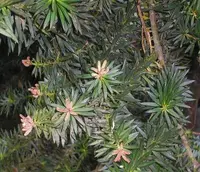
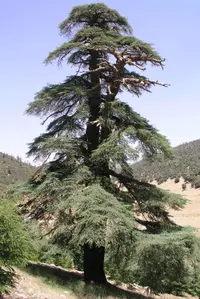
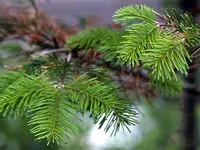
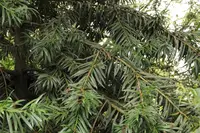
The Chilean podocarp, Podocarpus nubigenus, is an evergreen conifer from the temperate rainforests of southern Chile and Argentina. It naturally grows as a medium to large tree with dense, softly layered foliage. Its narrow, leathery leaves are dark green and arranged along graceful branches, giving a refined, almost yew-like look. Growth is generally slow to moderate, which suits long-term landscape planting. This species prefers cool, mild climates, consistent moisture, and well-drained, slightly acidic soil. It tolerates light shade but forms a better shape in good light. Once established, it is fairly resilient, though long periods of heat, drought, or waterlogged soil increase stress and make care for Chilean podocarp more demanding.

Care Difficulty
Moderate Care

Light Preference
Partial Sun

Water Requirements
Moderate Water

Temperature Preference
Cool Climate

Hardiness Zone
8–10

Soil Texture
Loamy, Sandy, Organic-rich

Soil pH
Acidic (5.5–6.5), Slightly acidic (6.5–7.0)

Soil Drainage
Moist but well-drained

Fertilization
Minimal (feed rarely)
Scan your plant to receive care tips personalized for your specific plant
Available on iOS and Android
This cool-climate conifer prefers steady light with protection from harsh midday sun.
This species prefers evenly moist, well-drained soil rather than cycles of drought and saturation.
This tree is adapted to cool, mild climates with moderate temperature swings.
This species prefers moderately moist air but adapts to many home environments.
Podocarpus nubigenus prefers deep, structured soil that holds moisture yet drains freely.
This species can be grown successfully in containers when stability and drainage are carefully managed.
This species grows steadily with modest feeding, especially when cultivated as a Chilean podocarp in containers.
Podocarpus nubigenus responds well to light structural pruning to maintain a healthy, balanced canopy.
This conifer is more often grown in the ground, but container plants or young specimens benefit from occasional repotting or careful transplanting.
New Podocarpus nubigenus plants are most often raised from semi-hardwood cuttings rather than seed for reliable results.
Established plants show good cold tolerance in mild to cool climates, but young or potted specimens need some winter care.

Plant Health Check
Not sure what's wrong with your plant? Check your plant's health inside the app.
This species is part of a southern conifer lineage that traces back to the ancient supercontinent Gondwana and is closely related to other southern-hemisphere podocarps from New Zealand and Australia.
It occurs mainly in cool, very wet temperate rainforests of southern Chile and adjacent Argentina, often in lowland and coastal areas influenced by the Pacific Ocean, rather than in high mountains like several related species.
Its fine-textured, pale wood is valued in southern Chile for interior joinery and boat building because it is dimensionally stable and relatively resistant to decay under cool, damp conditions.

This conifer is one of the few broad-crowned podocarps that can grow into a large canopy tree in the hyper-humid Valdivian temperate rainforest, sometimes dominating mixed stands and forming an important structural layer above the southern beech understory.
This species is evergreen, keeping its foliage year-round. Old needles are shed gradually, so the plant always looks clothed. In mild climates it provides permanent structure and screening, with less seasonal cleanup than many broadleaf shrubs.
Keep your plants happy and healthy with plant identification, disease detection, and easy care guidance.