Sakhalin Fir Care (Abies sachalinensis)

Sakhalin Fir

About Sakhalin Fir

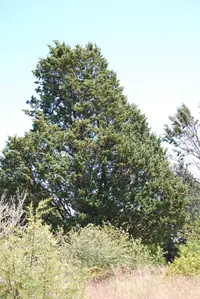
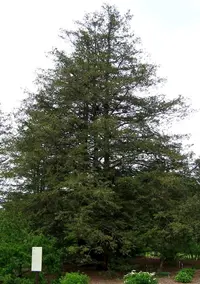
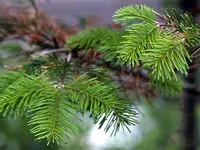
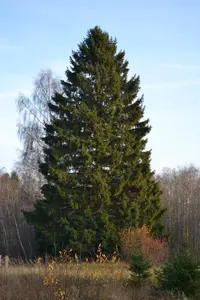
Sakhalin fir, Abies sachalinensis, is a cold-hardy evergreen conifer native to Sakhalin Island, northern Japan, and parts of the Russian Far East. It forms a tall, narrow pyramidal tree with dense, flat needles and smooth gray bark when young.

In gardens and larger landscapes it is valued for its neat outline, wind tolerance, and good winter color. It prefers cool summers, consistent moisture, and well-drained, slightly acidic soil.

For those who want to care for Sakhalin Fir successfully, stable cool conditions and protection from extreme heat are the main environmental factors to consider.

Main Plant Requirements

Care Difficulty

Moderate Care

Light Preference

Full Sun

Water Requirements

Regular Water

Temperature Preference

Cold Hardy

Hardiness Zone

3–6

Soil Texture

Loamy, Sandy, Organic-rich

Soil pH

Strongly acidic (4.5–5.5), Acidic (5.5–6.5)

Soil Drainage

Moist but well-drained

Fertilization

Minimal (feed rarely)

Get Personalized Care Plan

Scan your plant to receive care tips personalized for your specific plant

Available on iOS and Android

How to Care for the Sakhalin Fir

This cold-climate conifer prefers cool, bright outdoor light with protection from harsh afternoon sun.

  • Provide 4–6 hours of direct morning sun with light afternoon shade; bright, open north or east exposure suits Sakhalin Fir well.
  • Tolerates partial shade (dappled light under taller trees), but dense shade reduces growth, thins foliage, and may increase disease risk.
  • In hot summers, shield from strong afternoon sun to prevent needle scorch; in winter, full sun is acceptable when soil is not frozen-dry.

This species prefers evenly moist, cool soil that never stays waterlogged.

  • Water when the top 3–5 cm of soil feels slightly dry, aiming for consistently moist but not saturated conditions around the root zone.
  • Use deep, infrequent watering so moisture reaches 20–30 cm deep; well-drained, slightly acidic soil helps prevent root rot in Abies sachalinensis.
  • Reduce watering once established in cool, rainy seasons; in hot, dry spells, watch for dull, drooping needles (too dry) or yellowing, soft needles (overwatering).

This cold-hardy conifer is adapted to cool, maritime and boreal climates.

  • Optimal growing temperatures are about 55–70°F (13–21°C), with cool summers supporting dense, healthy needles.
  • Mature trees tolerate winter lows around -20 to -30°F (-29 to -34°C) when hardened off, but young plants need shelter from drying winter winds.
  • Heat tolerance is limited; prolonged periods above 85°F (29°C) can stress the tree, so provide mulch and soil moisture to keep roots cool in summer.

This species handles a wide humidity range but grows best in cool, moderately moist air.

  • Aim for 40–60% humidity; prolonged levels below 30% may slow growth and brown needle tips.
  • Dry indoor air causes edge browning, increased needle drop, and more spider mites.
  • Increase humidity outdoors by mulching the root zone; indoors, group plants or use a tray with pebbles and water without wetting the container base.

Abies sachalinensis prefers cool, moist, aerated soil that does not stay saturated.

  • Use a deep, loamy soil rich in organic matter with a crumbly structure that holds moisture yet drains freely.
  • Target slightly acidic conditions, around pH 5.0–6.5, avoiding strongly alkaline or chalky substrates that limit nutrient uptake.
  • In garden beds, improve heavy or compacted soil with 30–50% compost plus pine bark fines to boost aeration and root penetration.
  • Avoid sites where water stands after rain; if drainage is marginal, plant on a low mound or raised bed to keep roots from staying waterlogged.

This conifer can be grown in containers for a limited time when space or site conditions require it.

  • Choose a tall, heavy container to stabilize the developing central leader and prevent wind tipping as the tree gains height.
  • Use a deep, well-drained conifer mix and elevate the pot on feet so drainage holes stay clear on patios or decks.
  • Place the container where sun exposure is even on all sides to prevent lopsided growth and structural leaning over time.

Nutrient-rich soil is usually enough for Sakhalin Fir, so fertilization should stay light and targeted.

  • Use a balanced, slow-release conifer fertilizer or well-rotted compost in early spring, worked lightly into the topsoil.
  • Feed once per year for in-ground trees; container plants may need 2 light feedings during the growing season.
  • Apply at half the label rate for young trees to avoid salt stress and overly soft growth.
  • Stop feeding by late summer so new growth hardens before winter dormancy.

Pruning needs for Abies sachalinensis are minimal and focus on safety and structure rather than shaping.

  • Carry out any structural pruning in late winter to early spring, before active growth starts.
  • Remove dead, diseased, or storm-damaged branches back to healthy wood using sharp bypass pruners or a clean saw.
  • Thin crowded interior branches lightly to improve airflow without cutting into the central leader.
  • Avoid heavy topping or shortening of main branches, which distorts natural form and weakens the tree.

This fir is usually grown in the ground, so care centers on timely transplanting of young trees rather than frequent repotting.

  • Transplant when roots fill the pot, circle the container, or growth in spring becomes weaker than expected.
  • Plan moves for early spring or early fall, when temperatures are mild and soil is evenly moist.
  • Lift with as much root ball as possible, disturbing roots minimally and keeping them shaded and damp.
  • Replant at the same soil depth, water thoroughly, and mulch 5–8 cm deep to reduce stress and moisture loss.

Abies sachalinensis is typically propagated from seed, which requires specific conditions and patience.

  • Collect ripe cones in late summer to fall and extract seeds once scales dry and open.
  • Provide cold stratification at 32–41°F for 6–8 weeks in moist sand or peat to break dormancy.
  • Sow in a well-drained conifer seed mix, just covered, and keep evenly moist in bright, cool conditions.
  • Protect seedlings from direct harsh sun and drying winds during the first 1–2 years for steady establishment.

This species is naturally cold hardy and usually needs little special winter care once established outdoors.

  • Young or newly planted trees benefit from 5–8 cm of organic mulch over the root zone, kept away from the trunk.
  • In exposed sites, use a windbreak or burlap screen to reduce desiccating winter winds on small trees.
  • Container-grown plants should be sunk into the ground or moved to a sheltered, unheated area to prevent root freeze-thaw damage.

Care Tips

Windfirm training

In open or coastal sites, gradually reduce staking over 2–3 years and lightly prune only wind-torn branches so the young tree develops a strong, flexible trunk and root system adapted to local winds.

Snow load management

In climates with heavy, wet snow, gently knock snow off lower and mid-level branches after storms to prevent splitting or drooping that can permanently distort the tree’s layered structure.

Mulch for cool roots

Maintain a 5–8 cm ring of bark or wood-chip mulch over the root zone, keeping it a few cm away from the trunk, to keep roots cool, conserve moisture, and reduce competition from turf grass.

Root zone protection

Avoid regular foot traffic, parking, or soil compaction within at least 1.5–2 times the canopy radius so fine feeder roots remain aerated and efficient at water and nutrient uptake when growing Sakhalin Fir.

Needle and cone hygiene

Remove and dispose of heavily diseased, insect-infested, or unusually discolored fallen needles and cones rather than composting them, to lower carryover of fungal spores and certain overwintering pests near the tree.

Common Pests and Diseases

Adelges aphids

This pest forms white, woolly masses on young shoots and needles, sucking sap and weakening growth. Symptoms include distorted new growth and sticky honeydew that can lead to sooty mold.

Solution

Prune out heavily infested shoots and destroy them. For light infestations, wash colonies off with a strong jet of water; for persistent problems on young trees, use a horticultural oil or insecticidal soap directed at the undersides of shoots in early spring before heavy buildup.

Spruce spider mites

These insects are tiny sap-feeding mites that cause dull, gray-green or bronzed needles and fine webbing on inner branches, especially during cool seasons. Symptoms include gradual thinning of foliage on stressed or dry-site trees.

Solution

Rinse foliage thoroughly with water, focusing on inner branches, to reduce mite numbers and dust. If damage continues, apply a labeled miticide or horticultural oil in spring or fall, repeating as directed and avoiding applications during high heat to prevent needle burn.

Needle cast

This disease causes browning and premature shedding of older needles, often starting on lower, interior branches and moving upward. Symptoms include bands or spots on needles and a thin, see-through appearance of affected branches.

Solution

Prune out heavily affected branches to improve air movement and dispose of fallen needles to reduce fungal spores. In plantings with repeated problems, use a registered fungicide in early spring as new needles emerge, and avoid overhead irrigation that keeps foliage wet for long periods.

Needle rust

This disease produces yellow spots or bands on needles, later forming orange pustules that release spores and lead to needle drop. Symptoms include scattered discolored needles that stand out against otherwise green foliage.

Solution

Remove and discard fallen, infected needles and nearby alternate host plants if known for the local rust species. In areas with a history of rust on firs, preventive fungicide sprays in spring when new needles are expanding can help protect new growth, combined with good spacing for airflow.

Canker diseases

This disease group attacks branches and sometimes the trunk, causing sunken, resinous lesions and dieback of individual branches or entire sections of the crown. Symptoms include wilted or browned needles on affected branches while nearby foliage remains green.

Solution

Cut out infected branches at least 10–15 cm below visible cankers during dry weather and dispose of the material away from other conifers. Reduce tree stress by avoiding soil compaction and drought, and maintain a mulch layer over the root zone; in plantations or high-value plantings, consult a local arborist or forester for species-specific fungicide options as part of broader Abies sachalinensis care instructions.

Interesting Facts

Sakhalin island specialist

Abies sachalinensis is naturally concentrated on Sakhalin Island and nearby parts of Hokkaido and the Kuril Islands, where it is a dominant conifer in cool, wet coastal and montane forests.

Snow‑shedding crown form

The species develops a narrow conical crown with relatively short, upward-angled branches that help it shed heavy, wet snow loads common in its native maritime climate.

Needles adapted to shade

Its flat, glossy needles tolerate low light and form dense foliage on lower branches, allowing it to regenerate and grow under the canopy of older trees before eventually reaching the upper forest layer.

Botan icon

Did you know?

In parts of its native range, Abies sachalinensis forms extensive, often even-aged stands after large disturbances such as windthrow or logging, making it one of the most important commercial softwoods in northern Japan for construction timber and pulp.

FAQs about Sakhalin Fir

This conifer is moderately fast-growing for a fir, typically adding 20–40 cm of height per year in good conditions. Growth slows in poor soil, exposed windy sites, or if roots are compacted or repeatedly waterlogged.

Grow Healthy Plants with Botan Care

Keep your plants happy and healthy with plant identification, disease detection, and easy care guidance.

Botan plant care app — identify plants on mobile

Explore More Plants