European aspen Care (Populus tremula)

Also known as: Common Aspen, aspen, waverly, Quaking Aspen
European aspen

About European aspen

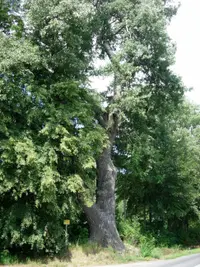
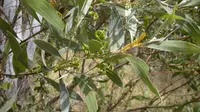
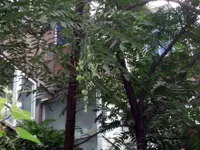
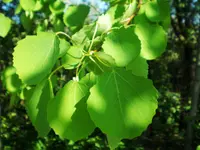
European aspen, Populus tremula, is a fast-growing deciduous tree from the willow family. It is native to much of Europe and parts of temperate Asia. The tree typically has a tall, slender form with smooth, pale bark and round, finely toothed leaves that tremble in the wind due to flattened leaf stalks. It often forms clonal groves by sending up new stems from its roots. European aspen is generally considered easy to establish in cool to mild climates but needs space, full sun, and moist, well-drained soil. Understanding how to care for European aspen helps prevent issues with weak growth or breakage in windy sites.

Main Plant Requirements

Care Difficulty

Moderate Care

Light Preference

Full Sun

Water Requirements

Regular Water

Temperature Preference

Cold Hardy

Hardiness Zone

2–6

Soil Texture

Sandy, Loamy, Clay

Soil pH

Acidic (5.5–6.5), Slightly acidic (6.5–7.0)

Soil Drainage

Moist but well-drained

Fertilization

Minimal (feed rarely)

Get Personalized Care Plan

Scan your plant to receive care tips personalized for your specific plant

Available on iOS and Android

How to Care for the European aspen

This species prefers bright, open conditions similar to natural woodland edges.

  • Provide 6–8 hours of direct sun daily; morning sun with light afternoon shade reduces leaf scorch in hot summers.
  • European aspen tolerates light partial shade, but dense shade causes sparse, elongated shoots and fewer, smaller leaves.
  • In cooler climates it handles full sun all day; in warmer regions, protect from intense late-afternoon sun and avoid reflective heat from walls or pavement.

This tree naturally grows in moist, well-drained soils and dislikes prolonged drought.

  • Aim for consistently moist soil, allowing the top 3–5 cm to dry slightly before deep watering, especially during the first 2–3 growing seasons.
  • In summer, watch for drooping, curling, or browning leaf edges as signs of drought stress; in spring and fall, reduce watering as rainfall increases.
  • Yellowing leaves, dieback, or soft, sour-smelling roots indicate overwatering or poor drainage, so improve soil structure rather than increasing frequency for Populus tremula.

This hardy tree is adapted to cool to cold climates with distinct winters.

  • Optimal growing temperatures are about 60–75°F (16–24°C) during the active season, with strong growth in cool springs and mild summers.
  • Mature trees tolerate winter lows around -30°F to -40°F (-34 to -40°C), while late spring frosts can damage new leaves but usually do not kill the tree.
  • During heat waves above 85–90°F (29–32°C), expect some leaf scorch; provide mulch and sufficient soil moisture to reduce heat and drought stress.

Humidity is not a major care factor for Populus tremula, which is adapted to outdoor conditions in temperate climates.

Populus tremula prefers moist, well-structured mineral soils that stay aerated and do not become waterlogged.

  • Use a loamy mix with moderate organic matter, such as native soil blended with compost for structure and nutrient retention.
  • Ensure drainage by avoiding heavy, compacted clay; incorporate coarse sand or fine gravel to improve percolation where needed.
  • Aim for slightly acidic to neutral pH around 5.5–7.0, avoiding strongly alkaline or saline soils that restrict nutrient uptake.
  • Prevent crusting and poor aeration by keeping surface mulch thin and loose rather than using dense, mat-forming mulches.

This fast-growing tree is generally unsuitable for long-term container growing due to its vigorous root system and eventual size.

Populus tremula grows well in average soil and needs only modest fertilization in managed landscapes.

  • Apply a light layer of compost or well-rotted manure around the root zone in early spring to support steady growth.
  • Use a balanced slow-release fertilizer (for example 10-10-10) once in spring at half label rate if soil is poor.
  • Avoid summer overfeeding; high nitrogen can cause weak, storm-prone shoots.
  • Do not fertilize in late fall or winter, as the tree is dormant and extra nutrients are unused.

Populus tremula benefits from structured pruning to maintain a stable form and safe canopy.

  • Plan main pruning for late winter or very early spring, before bud break, to limit sap loss and disease entry.
  • Remove dead, diseased, rubbing, or storm-damaged branches first, cutting back to the branch collar with clean bypass loppers or a pruning saw.
  • Thin crowded interior branches to improve light and air movement, which reduces fungal issues and encourages balanced crown development.
  • Limit large cuts; shaping when branches are still young produces a stronger, longer-lived framework.

European aspen is usually field-grown, so care focuses on timely outdoor transplanting rather than long-term container culture.

  • Transplant bare-root or container plants in early spring or early fall when soil is moist and temperatures are mild.
  • Check containers for circling roots or poor vigor; loosen and straighten roots gently before planting to reduce girdling.
  • Set the tree at the same soil level as in the pot, spread roots outward, backfill with native soil, then water deeply to settle air pockets.
  • Mulch 5–8 cm around, not touching the trunk, and keep soil evenly moist for the first 1–2 growing seasons to limit transplant shock.

Populus tremula is commonly propagated from root suckers and hardwood cuttings in managed settings.

  • Lift and separate rooted suckers in early spring, ensuring each has several healthy roots, then replant immediately and water well.
  • Take hardwood cuttings from last season’s straight shoots in late winter, 20–25 cm long, and insert into moist, well-drained sand or sandy loam.
  • Maintain cool, bright conditions and consistent moisture; avoid waterlogging to prevent cutting rot.
  • Seed propagation is possible but seeds are short-lived and need fresh sowing in moist, fine-textured substrate soon after collection.

Populus tremula is a cold-hardy deciduous tree that generally needs minimal winter care in most temperate climates.

  • Young trees benefit from a 5–8 cm mulch layer over the root zone to moderate soil temperature and moisture.
  • In exposed sites, use a breathable trunk wrap on young stems to reduce frost cracks and sunscald.
  • Move container-grown specimens into a sheltered, unheated but frost-moderated area, keeping the root ball just slightly moist.

Care Tips

Windfirm training

In the first 3–5 years, leave some lower branches in place and avoid heavy crown thinning so the tree develops a sturdy, wind-resistant structure before exposing it to full, open-site winds.

Root spread management

Install a 45–60 cm deep root barrier on the side facing paving, drains, or foundations when planting, since this species produces vigorous surface roots and suckers that can damage nearby hardscape.

Sucker control strategy

Mow or cut suckers at ground level several times per season and, if needed, edge a 1–2 m ring around the trunk to prevent unwanted clonal spread into lawns or neighboring properties.

Winter trunk protection

On young trees in open, sunny sites, wrap the lower trunk with a breathable tree guard or use a white tree wrap from late fall to early spring to reduce sunscald and frost crack risk.

Monitoring for cankers

Inspect stems and branches twice a year for elongated sunken lesions or oozing areas, and promptly prune out affected wood back to healthy tissue during dry weather to limit canker spread when caring for European aspen.

Common Pests and Diseases

Aspen leaf miner

This pest tunnels inside the leaf tissue, causing pale or brown blotches that can merge and make leaves look scorched. Severe infestations reduce photosynthesis and overall vigor.

Solution

Rake and destroy fallen leaves to remove overwintering stages, and prune out heavily infested shoots when noticed early. For young or high‑value trees, monitor new growth in spring and use a targeted systemic insecticide or horticultural oil according to label directions if damage rapidly increases.

Aspen bark beetle

These insects bore into the trunk and larger branches, leaving small entry holes, sawdust-like frass, and sometimes streaked or discolored inner bark. Heavy attacks can weaken trees already stressed by drought, injury, or age.

Solution

Reduce stress on the tree by ensuring adequate water during dry periods and avoiding trunk damage, then promptly remove and destroy heavily infested or dead trees to limit beetle population buildup. For valuable specimens, consult a certified arborist about timing and suitability of preventive trunk sprays before peak flight periods, rather than after extensive tunneling has occurred.

Venturia shoot blight

This disease causes blackened, wilted young shoots and leaves that often bend into a shepherd’s crook shape and remain attached. Symptoms include rapid death of current-season growth during cool, wet spring weather.

Solution

Prune out infected shoots several inches below visible damage during dry weather and dispose of them away from the planting area to reduce inoculum. Improve air circulation by avoiding crowded planting, and in sites with a history of the problem, consider fungicide sprays at bud break and during prolonged wet periods, following local extension guidance for Populus tremula care instructions.

Marssonina leaf spot

This disease produces small dark spots on leaves that can merge into larger blotches, sometimes leading to early yellowing and drop. Repeated defoliation over several years can reduce growth and cold tolerance.

Solution

Collect and remove fallen leaves in autumn to limit the fungus surviving to the next season, and avoid overhead watering that keeps foliage wet for long periods. In plantings where the disease recurs severely, a series of protective fungicide sprays starting at leaf-out and repeated during wet spells can be considered, following label directions and local recommendations.

Aspen leaf rust

This disease appears as yellow to orange powdery spots on the underside of leaves and pale blotches on the upper surface. Heavy infection can cause early leaf drop, especially in late summer and early fall.

Solution

Rake and destroy fallen leaves to break the disease cycle and avoid planting new aspens in low, humid pockets where air movement is poor. In high-value or closely spaced plantings with consistent yearly rust problems, a preventive fungicide program timed from leaf expansion through midsummer may be warranted, guided by regional forestry or extension advice.

Interesting Facts

European pioneer tree

European aspen is one of the fastest colonizers of open ground after disturbance such as fire, windthrow, or logging, spreading both by seed and by extensive root suckers that can form large clonal stands.

Whispering leaf design

Its round leaves have long, flattened petioles, which make them twist and flutter in very light wind, producing the characteristic rustling sound that has influenced local names and folklore across much of Europe.

Key boreal habitat

In northern Europe, mature aspen stands provide critical habitat and deadwood for many specialized lichens, wood-decaying fungi, and cavity-nesting birds, so forestry guidelines often recommend retaining aspen to support biodiversity.

Botan icon

Did you know?

Genetic studies have shown that some natural clones of Populus tremula, made up of many stems connected by a single root system, can be several hundred years old and extend over surprisingly large areas, even though individual trunks appear relatively young.

FAQs about European aspen

This species is considered fast-growing, often adding 60–90 cm of height per year in good conditions. Young trees may grow even faster, but growth usually slows once a stable crown and root system develop.

Grow Healthy Plants with Botan Care

Keep your plants happy and healthy with plant identification, disease detection, and easy care guidance.

Botan plant care app — identify plants on mobile

Explore More Plants