White Poplar Care (Populus alba)

Also known as: European white poplar, silver poplar, Abele
White Poplar

About White Poplar

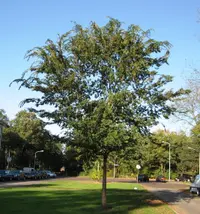
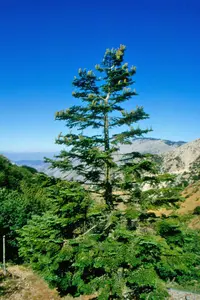
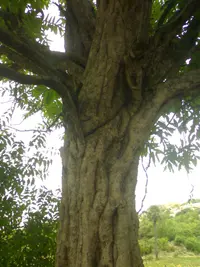
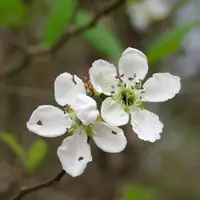
White poplar, Populus alba, is a fast-growing deciduous tree known for its white-felted leaf undersides that shimmer in the wind. It typically forms a tall, broad crown with upright branches.

This species is native to Europe and western Asia but is widely planted and naturalized in many temperate regions, including parts of North America. It is often used in large landscapes, shelterbelts, and windbreaks rather than small gardens.

White poplar tolerates poor, dry, or disturbed soils and urban conditions, which makes it easy to establish but also potentially invasive in some areas. Those who want to care for White Poplar should note its strong root system and large mature size when choosing a planting site.

Main Plant Requirements

Care Difficulty

Moderate Care

Light Preference

Full Sun

Water Requirements

Regular Water

Temperature Preference

Cold Hardy

Hardiness Zone

3–8

Soil Texture

Sandy, Loamy, Clay

Soil pH

Slightly acidic (6.5–7.0), Slightly alkaline (7.0–7.5)

Soil Drainage

Moist but well-drained

Fertilization

Minimal (feed rarely)

Get Personalized Care Plan

Scan your plant to receive care tips personalized for your specific plant

Available on iOS and Android

How to Care for the White Poplar

This fast-growing deciduous tree needs strong light to fuel rapid growth and dense foliage.

  • Provide full sun for 6–8 hours per day; Populus alba grows best in open, unobstructed exposure.
  • Tolerates light partial shade, especially with morning sun and some afternoon shade in hot, dry climates to reduce leaf scorch.
  • In dense shade the crown thins and lower branches die back; ensure nearby trees or buildings do not block light as they mature.

This species prefers consistently moist but not waterlogged soil, especially while young and establishing roots.

  • Aim for soil that stays slightly damp to about 5–8 cm depth; allow the surface to lose its glossy wet look before the next deep soak.
  • Increase watering during hot, dry periods if soil cracks or leaves droop by late afternoon, but reduce input in cool or rainy seasons.
  • Avoid standing water and heavy, compacted soils; yellowing leaves and dieback on new shoots suggest overwatering and poor oxygen around roots.

This hardy temperate tree tolerates a wide range of outdoor temperatures once established.

  • Active growth is strongest around 60–80°F (16–27°C), with long warm seasons producing faster height and trunk thickening.
  • Mature trees tolerate winter cold down to about -20°F (-29°C); young saplings benefit from protection from severe wind chill and heaving soil.
  • Heat above 90°F (32°C) combined with drought stresses foliage, so maintain soil moisture and avoid planting in confined, heat-reflecting sites.

This species is tolerant of a wide humidity range and usually needs no special humidity management outdoors.

Populus alba prefers deep, moist but not waterlogged mineral soils with ample rooting volume.

  • Use a loamy or sandy-loam soil with moderate organic matter to support both drainage and moisture retention.
  • Aim for slightly acidic to neutral pH, around 6.0–7.5, avoiding strongly acidic or saline soils that limit root function.
  • Improve drainage and aeration on heavy clay sites by incorporating coarse sand and well-rotted compost into the top 30–40 cm.
  • Avoid compacted, poorly drained locations where water remains on the surface or in the root zone for extended periods.

This species is generally unsuitable for long-term container growing due to its vigorous root system and large mature size.

Mature Populus alba in the ground usually needs little feeding, but young or stressed trees benefit from light, targeted nutrition.

  • Use a balanced slow-release fertilizer (around 10-10-10) or well-rotted compost on established trees in early spring.
  • Apply a light surface dressing over the root zone once a year during the growing season, avoiding direct contact with the trunk.
  • Reduce or skip feeding in late fall and winter when growth is dormant to prevent soft, frost-sensitive shoots.
  • For container-grown White Poplar, use a half-strength balanced liquid feed every 4–6 weeks in spring and summer only.

Populus alba responds well to structural pruning that maintains a stable framework and removes weak wood.

  • Carry out main pruning in late winter to very early spring before bud break, when branch structure is visible.
  • Remove dead, diseased, crossing, or storm-damaged branches first to reduce risk of decay and improve airflow.
  • Thin crowded interior shoots to manage size and maintain a strong, open crown rather than making heavy heading cuts.
  • Use clean, sharp bypass pruners or a pruning saw, making smooth cuts just outside the branch collar without leaving stubs.

Populus alba is usually grown in the ground, so care focuses on correct transplanting of young trees instead of routine repotting.

  • Transplant in late fall or very early spring while the tree is dormant to limit stress and water loss.
  • Choose a site with deep, well-drained soil and enough space for the mature root system and canopy spread.
  • Move trees when roots circle the container, growth slows, or the plant becomes unstable or easily blown over.
  • Dig a wide planting hole, keep the root flare at soil level, backfill firmly, water deeply, then mulch 5–8 cm away from the trunk.

Populus alba is commonly propagated for landscape use by cuttings and natural suckers rather than by seed.

  • Take hardwood cuttings in late winter from pencil-thick, 20–30 cm shoots and plant them in moist, free-draining substrate.
  • Softwood cuttings in late spring root under high humidity, bright shade, and stable moisture but need shelter from strong sun.
  • Allow root suckers that arise near the base to grow, then separate with a sharp spade and replant immediately at the same depth.
  • Seed propagation is possible but less predictable, as seed viability is short and requires fresh, moist stratified seed to germinate.

Populus alba is cold hardy in most temperate climates and usually needs minimal winter care once established.

  • Mature in-ground trees tolerate substantial frost, but young plants benefit from basic root-zone insulation.
  • Apply 5–8 cm of organic mulch around the base in late fall to moderate soil temperature and moisture.
  • For container-grown trees, move pots into a sheltered, unheated area or group and wrap containers to reduce root freezing.

Care Tips

Plan Root Space

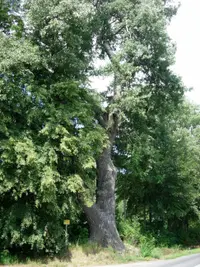
Plant at least 15–20 m away from buildings, drains, and paved areas, since the aggressive root system can lift hard surfaces and invade pipes as the tree matures.

Use Root Barriers

Where space is limited, install a vertical root barrier rated for trees to a depth of 60–90 cm along foundations or utilities before planting to reduce future structural conflicts.

Wind-Firm Training

In windy sites, use 1–2 low, flexible stakes for the first 2–3 years and remove them once the trunk can stand alone to encourage a strong taper and better wind resistance.

Monitor Suckers Early

Check surrounding lawn and beds several times each growing season and promptly cut off root suckers at ground level before they lignify, which reduces unwanted thickets and competition for resources.

Plan for Short Lifespan

Because white poplar is relatively short-lived and prone to storm damage with age, treat it as a medium-term landscape tree and consider succession planting nearby if long-term canopy is desired when growing White Poplar.

Common Pests and Diseases

Aspen leaf miner

This pest tunnels inside young leaves, creating pale, winding blotches that can make the canopy look scorched or thinned. Symptoms include premature leaf drop when infestations are heavy.

Solution

Rake and remove fallen leaves to reduce overwintering pupae and break the life cycle. For young or high‑value trees, encourage natural predators by avoiding broad-spectrum insecticides, and if needed use a targeted systemic insecticide in early spring as new leaves emerge, following local forestry or extension service guidance.

Poplar aphids

These insects feed on sap from young shoots and leaf undersides, causing curling, distortion, and sticky honeydew that can lead to sooty mold. Heavy infestations may slow growth and attract ants.

Solution

Spray colonies off small trees with a firm stream of water and prune heavily infested shoot tips. On larger or repeatedly affected trees, introduce or conserve lady beetles and lacewings, and consider a horticultural oil or insecticidal soap application in early season, coating leaf undersides thoroughly.

Cytospora canker

This disease causes sunken, discolored patches on stems and branches, often with amber resin or oozing and dieback of affected limbs. Symptoms include scattered dead branches, especially on stressed or wounded trees.

Solution

Prune out and dispose of infected branches during dry weather, cutting back into healthy wood and disinfecting tools between cuts. Reduce stress by avoiding trunk injuries, watering during prolonged drought, and spacing trees to improve airflow, which supports long-term Populus alba care instructions.

Leaf rust

This disease produces yellow to orange spots on upper leaf surfaces and powdery rust pustules beneath, often leading to early leaf drop. In humid conditions, entire trees can take on a yellowed, thin appearance by late summer.

Solution

Remove and destroy fallen leaves in autumn to reduce spores that survive winter. For trees in high-risk, humid sites, plant with good spacing, avoid overhead irrigation, and choose resistant cultivars where available; professional fungicide treatments are reserved for severe, recurring cases on young or highly valued trees.

Leaf spot (Marssonina)

This disease causes dark brown to black angular spots on leaves that may merge into larger dead areas, sometimes leading to partial defoliation. Symptoms include a speckled canopy and early yellowing in mid to late summer.

Solution

Collect and discard infected leaves to lower inoculum levels and help the tree refoliate cleanly the following season. Improve air circulation by proper spacing and selective thinning, and in landscapes with chronic issues, consult a local arborist about timed fungicide sprays at leaf-out and shortly after during wet springs.

Interesting Facts

Two-tone leaf design

The leaves have a dark-green upper surface and a densely hairy white underside, creating a striking silver shimmer when moved by wind and giving the tree its common name, white poplar.

Aggressive clonal spread

This species spreads vigorously through root suckers, forming large clonal groves that can outcompete nearby vegetation and make it difficult to remove once established.

Salt and drought tolerance

White poplar shows notable tolerance to drought and soil salinity, which helps explain its success along rivers, roadsides, and disturbed urban sites in many regions.

Botan icon

Did you know?

White poplar is considered invasive or potentially invasive in several parts of North America and other regions outside its native range, because its prolific root suckering and abundant seed production allow it to rapidly colonize riparian zones and displace native tree species.

FAQs about White Poplar

This is a very fast-growing tree, often adding 60–90 cm in height per year, sometimes more in ideal conditions. Fast growth means frequent structural pruning is important to prevent weak branch attachments and breakage later.

Grow Healthy Plants with Botan Care

Keep your plants happy and healthy with plant identification, disease detection, and easy care guidance.

Botan plant care app — identify plants on mobile

Explore More Plants