Wind-hardy training
In the first 3–5 years, avoid staking unless absolutely necessary so the young tree flexes in the wind and develops a thicker trunk and stronger root system for long-term stability.

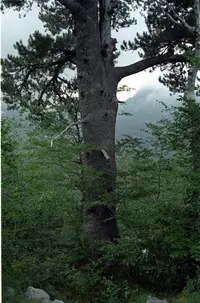
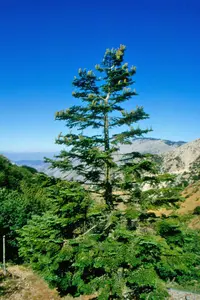
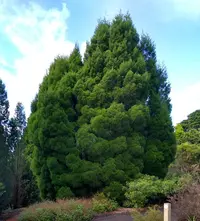
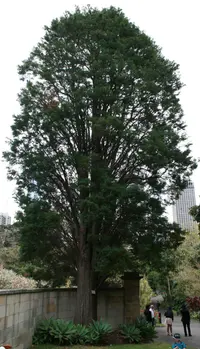
Bosnian pine (Pinus heldreichii) is a long-lived, slow-growing conifer known for its dense, stiff needles and strong, upright form. It typically develops a narrow, pyramidal crown when young, becoming broader and more irregular with age.
This species is native to mountainous regions of the Balkans and southern Italy, where it endures cold, wind, and poor rocky soils. Its natural toughness makes it a good choice for exposed sites and low-maintenance landscapes.
Understanding how to care for Bosnian Pine starts with its preference for full sun, well-drained soil, and relatively dry conditions once established. Its slow growth and strong structure make it suitable for smaller gardens compared to many other pines.

Care Difficulty
Moderate Care

Light Preference
Full Sun

Water Requirements
Low Water

Temperature Preference
Cold Hardy

Hardiness Zone
4–7

Soil Texture
Sandy, Loamy, Rocky

Soil pH
Acidic (5.5–6.5), Slightly acidic (6.5–7.0)

Soil Drainage
Well-drained

Fertilization
Minimal (feed rarely)
Scan your plant to receive care tips personalized for your specific plant
Available on iOS and Android
This high-mountain conifer prefers strong light and is best sited in open, unobstructed exposure.
This species prefers consistently draining soil and is more sensitive to excess moisture than to short dry periods.
This hardy mountain pine is adapted to cold climates and tolerates a wide seasonal temperature range outdoors.
This pine tolerates a wide humidity range and usually needs no special humidity control outdoors.
Pinus heldreichii prefers sharply drained, mineral soils that mimic its native rocky mountain habitats.
This species can be grown in containers for many years if root space, drainage, and stability are carefully managed.
Pinus heldreichii grows well in lean soils and usually needs only light feeding in cultivation.
Pinus heldreichii benefits from minimal, careful pruning to maintain structure and health.
This slow-growing pine is usually transplanted into the landscape rather than kept long term in containers.
Pinus heldreichii is usually propagated from seed and is not typically multiplied by home growers.
This species is naturally cold hardy and generally needs little special winter care in the ground.

Plant Health Check
Not sure what's wrong with your plant? Check your plant's health inside the app.
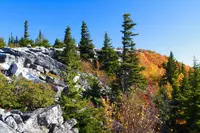
This species is naturally restricted to high mountains of the Balkans and southern Italy, where it grows almost exclusively on exposed, rocky limestone ridges and cliffs that many other trees cannot tolerate.
Its dense, flexible needles and compact crown structure help it withstand strong, persistent mountain winds, allowing stable growth near treeline in harsh alpine conditions.
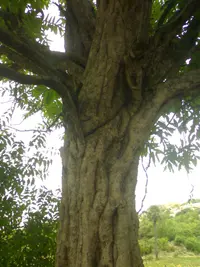
Mature trees develop very thick, plate-like bark that offers substantial protection against mechanical damage and moderate surface fires, contributing to survival in rugged mountain habitats.

Pinus heldreichii is among the longest-lived trees in Europe, with some individuals in the Balkans and southern Italy documented to be many centuries old, making it a key species for dendrochronology, the scientific study of past climates using tree rings.
This species grows slowly, typically 10–20 cm per year in good conditions. Growth is even slower in poor, dry, or exposed sites. Expect a compact, dense tree that takes many years to reach full landscape size.
Keep your plants happy and healthy with plant identification, disease detection, and easy care guidance.