Nootka cypress Care (Callitropsis nootkatensis)

Also known as: yellow cypress, Alaska cypress, Nootka cedar, yellow cedar, Alaska cedar, Alaska yellow cedar
Nootka cypress

About Nootka cypress

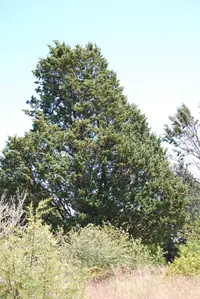
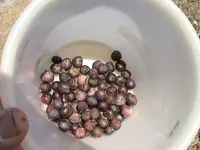
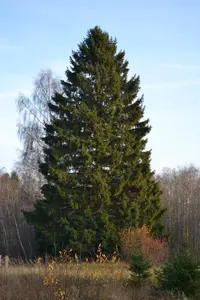
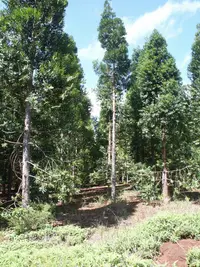
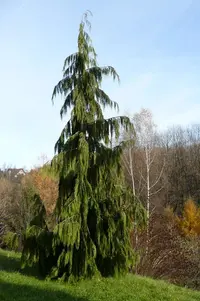
Nootka cypress, Callitropsis nootkatensis, is a long-lived coniferous tree known for its graceful, drooping branchlets and dense, aromatic, scale-like foliage. It typically forms a narrow, pyramidal crown and develops small, rounded cones. This species is native to the coastal regions of northwestern North America, especially Alaska and British Columbia, where it grows in cool, moist forests and along mountain slopes. Gardeners value it for its strong vertical accent, wind resistance, and tolerance of cold, wet conditions, although it dislikes hot, dry sites and compacted soils. Understanding how to care for Nootka cypress starts with providing cool conditions, steady moisture, and well-drained, slightly acidic soil.

Main Plant Requirements

Care Difficulty

Moderate Care

Light Preference

Full Sun

Water Requirements

Moderate Water

Temperature Preference

Cold Hardy

Hardiness Zone

4–7

Soil Texture

Sandy, Loamy, Rocky

Soil pH

Strongly acidic (4.5–5.5), Acidic (5.5–6.5)

Soil Drainage

Moist but well-drained

Fertilization

Minimal (feed rarely)

Get Personalized Care Plan

Scan your plant to receive care tips personalized for your specific plant

Available on iOS and Android

How to Care for the Nootka cypress

This species prefers cool, bright outdoor conditions that balance strong light with protection from harsh exposure.

  • Provide full sun to light shade, aiming for 4–8 hours of direct sun daily, with protection from intense late afternoon summer sun in hot climates.
  • Young Nootka cypress benefits from light or dappled shade, especially in its first 2–3 years, to reduce foliage scorch and transpiration stress.
  • In regions with very strong summer sun, use spacing, neighboring trees, or a north/east-facing site to give morning sun and filtered light later in the day.

This conifer prefers evenly moist, cool soil that drains freely and does not stay saturated.

  • Check soil moisture 5–8 cm deep; water when this layer feels barely damp, then water slowly until the root zone is moistened but not puddling.
  • During the first 2–3 growing seasons, water more often in dry spells so the root zone does not fully dry, then reduce as roots establish and growth slows.
  • Signs of overwatering include yellowing inner foliage and soft roots in soggy soil, while underwatering shows browning tips and dry, brittle branchlets in Callitropsis nootkatensis.

This cold-hardy conifer is adapted to cool, temperate climates with mild summers and long winters.

  • Optimal growth occurs around 50–75°F (10–24°C), with steady cool conditions supporting dense, healthy foliage and root development.
  • Mature trees tolerate lows near -20°F (-29°C) once established, but young plants need protection from desiccating winter winds and freeze–thaw cycles around the root zone.
  • Heat tolerance is moderate; in stretches above 85°F (29°C), provide mulch, consistent soil moisture, and, where possible, some afternoon shade to reduce heat stress.

Humidity is rarely a limiting factor for Callitropsis nootkatensis in typical outdoor conditions.

This conifer prefers cool, evenly moist, well-structured soil that never stays waterlogged.

  • Choose a deep, loamy or sandy-loam soil with moderate organic matter so roots hold moisture yet still receive air.
  • Aim for slightly acidic to neutral pH around 5.5–7.0, avoiding strongly alkaline or compacted sites that restrict root function.
  • In planting areas, blend native soil with compost and coarse sand or fine gravel to improve both structure and drainage.
  • Avoid heavy clay, standing water, or hardpan layers; elevate planting slightly or create a berm if drainage is marginal.

This species can be grown in containers only for the short to medium term, especially while young.

  • Select a tall, heavy container to provide root depth and prevent the tree from tipping in strong wind as it gains height.
  • Use a fast-draining mix such as composted bark with coarse sand or perlite so excess water moves quickly away from the root collar.
  • Position the pot where runoff can drain freely, ensuring no saucer or decorative sleeve traps water around the base of the container.

This species grows well in reasonably fertile soil and usually needs only light feeding in managed landscapes.

  • Use a balanced slow-release fertilizer (around 10-10-10) or a thin layer of compost over the root zone in early spring.
  • Apply once per year for established Nootka cypress unless soil is very poor or growth is clearly weak.
  • Keep granules off the trunk, water in thoroughly, and avoid high-nitrogen lawn products near the roots.
  • Do not feed in late fall or winter, and use any liquid feed at 1/2 strength during active growth only.

Callitropsis nootkatensis benefits from minimal, careful pruning that maintains its natural form.

  • Plan light structural work for late winter to very early spring before new growth begins.
  • Remove only dead, diseased, storm-damaged, or badly crossing branches, cutting back to a healthy side branch or the trunk.
  • Avoid cutting into old bare wood, since foliage does not regrow well from these areas.
  • Use clean, sharp bypass pruners or a pruning saw, making smooth cuts that do not leave torn bark.

This conifer is usually grown in the ground, with transplanting more relevant than long-term container culture.

  • Transplant young trees in early spring or early fall when soil is moist and temperatures are mild.
  • Shift container plants only when roots circle the pot, drainage is poor, or growth slows despite good care.
  • Choose a hole 2–3× wider than the root ball, set the root flare at soil level, and backfill with native soil.
  • Water deeply after planting, mulch 5–8 cm away from the trunk, and keep soil evenly moist while roots establish.

Propagation of Callitropsis nootkatensis is possible but slow and often best left to nurseries.

  • Use semi-ripe cuttings in late summer, 8–12 cm long, taken from healthy, non-flowering shoots.
  • Remove lower foliage, dip the base in rooting hormone, and insert into a very well-drained, slightly acidic medium.
  • Maintain high humidity, bright indirect light, and stable temperatures around 60–70°F for several months.
  • Seed propagation requires fresh seed, cold stratification, and patience, as germination and early growth are slow.

Mature plants are quite cold hardy and usually require little special winter care in most temperate regions.

  • Apply a 5–8 cm mulch layer over the root zone in late fall, keeping it slightly away from the trunk.
  • Water well before the ground freezes, especially in exposed or windy sites to limit winter desiccation.
  • Move container-grown specimens into a sheltered, unheated but frost-free or slightly protected outdoor location if roots are exposed.

Care Tips

Wind exposure planning

Site young trees where they receive some shelter from prevailing winds for the first 3–5 years, using existing buildings or temporary windbreak netting to reduce root rock and trunk snap while the root system establishes.

Leader training

Inspect the central leader annually and, if it forks or is damaged, select the strongest upright shoot and loosely stake or tie it to a cane for 1–2 seasons to maintain a single, stable spire-shaped crown.

Mulch for root health

Maintain a 5–8 cm deep ring of arborist wood chips or similar coarse mulch out to at least the dripline, keeping it 5–8 cm away from the trunk to stabilize soil moisture, moderate temperature, and reduce mower and string-trimmer damage.

Snow and ice management

In regions with heavy wet snow or ice, gently knock accumulation off lower branches with a broom and avoid piling shoveled snow against the crown to prevent limb breakage and crown deformation.

Long-term spacing

Plan at planting for the mature spread and height by placing trees at least 4–6 m away from buildings, power lines, and property boundaries, which reduces the need for corrective pruning and simplifies caring for Nootka cypress over decades.

Common Pests and Diseases

Cypress canker

This disease causes dieback of twigs and branches, often with sunken, resin-soaked lesions on the bark. Symptoms include browning foliage that progresses inward from the tips and scattered dead branches in the canopy.

Solution

Prune out infected branches at least 20–30 cm below visible symptoms in dry weather and destroy the debris, disinfecting tools between cuts. Improve air circulation, avoid overhead irrigation, reduce drought stress, and where needed apply a labeled copper-based fungicide to high-value trees as part of broader Callitropsis nootkatensis care instructions guided by a local arborist or extension service.

Seiridium canker

This disease forms elongated, dark cankers on stems and branches that may ooze resin, leading to rapid dieback of affected shoots. Symptoms include scattered branch death and thinning foliage, usually starting on stressed trees.

Solution

Remove and dispose of infected branches promptly, cutting well below the canker margin and sterilizing tools after each cut. Reduce stress by providing consistent soil moisture, mulch over the root zone (kept off the trunk), avoiding mechanical injury, and consider preventive fungicide sprays where the disease is severe and local guidance supports their use.

Phytophthora root collar rot

This soilborne disease attacks the root collar and lower trunk, causing resin bleeding, reduced vigor, and gradual decline. Symptoms include sparse, yellowing foliage and dieback in the crown, often in poorly drained sites.

Solution

Improve drainage by redirecting water, avoiding planting in waterlogged or compacted soils, and keeping mulch and soil away from direct contact with the lower trunk. For affected but still-living trees, reduce irrigation frequency, avoid adding stress (such as heavy pruning or fertilizing), and consult a local arborist about possible use of phosphonate treatments and long-term site correction.

Cypress aphids

These insects feed on young foliage and stems, leading to patchy yellowing and browning, especially on inner branches. This pest often produces sticky honeydew that can support sooty mold growth on nearby surfaces and needles.

Solution

Inspect inner branches regularly and prune out heavily infested sections, then wash remaining foliage with a strong but controlled jet of water to dislodge aphids. Encourage natural predators, avoid excessive nitrogen fertilization, and where needed apply a targeted insecticidal soap or horticultural oil, thoroughly covering infested shoots according to label directions.

Bagworms

These caterpillars live inside spindle-shaped bags made of needles and debris, feeding on foliage and causing thin, ragged patches in the canopy. Heavy infestations can defoliate branches and weaken young or stressed trees.

Solution

Hand-pick and destroy bags during fall, winter, and early spring before larvae emerge, focusing on accessible branches. If populations remain high during active feeding, consider a selective biological insecticide containing Bacillus thuringiensis (Bt) applied when larvae are small, following timing and safety guidelines for conifers.

Interesting Facts

Ancient northern relict

This species is a glacial relict, naturally restricted to cool, wet coastal and subalpine habitats from Alaska to northern California, where it often occupies steep, rocky slopes and ravines that stayed moist and cool after the last Ice Age.

Rain and fog specialist

Its foliage is highly efficient at intercepting coastal rain and fog, and trees commonly establish along streams, cliffs, and avalanche tracks where constant moisture and moving air reduce fungal problems that would affect it in warmer lowland sites.

Valuable durable timber

The wood, known in the lumber trade as yellow cedar or Alaska yellow-cedar, is unusually decay resistant, fine grained, and aromatic, which has led to traditional use by Indigenous peoples for paddles, poles, and carving, and modern use for outdoor structures and boatbuilding.

Botan icon

Did you know?

Some natural stands of Callitropsis nootkatensis contain trees over 1,000 years old, and dendrochronologists have used their very narrow, long-lived growth rings to reconstruct centuries of past climate conditions in the coastal Pacific Northwest.

FAQs about Nootka cypress

This species is a true evergreen conifer. It holds foliage year-round, continually replacing older scale-like leaves. Older inner foliage and shaded branches may shed, but the tree never goes bare in normal conditions.

Grow Healthy Plants with Botan Care

Keep your plants happy and healthy with plant identification, disease detection, and easy care guidance.

Botan plant care app — identify plants on mobile

Explore More Plants