Chinese Horse-chestnut Care (Aesculus chinensis)

Chinese Horse-chestnut

About Chinese Horse-chestnut

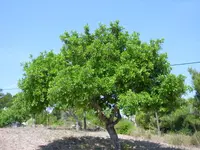
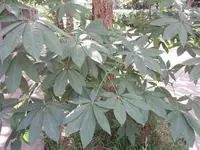
Chinese horse-chestnut, Aesculus chinensis, is a medium to large deciduous tree valued for its broad crown, palmate leaves, and showy upright flower clusters. It develops spiky seed capsules that resemble those of the common horse-chestnut, adding seasonal interest in late summer to autumn.

This species is native to China and is often grown as an ornamental shade tree in temperate regions with space for its strong root system and wide canopy. It is generally robust but needs room, reasonably fertile, well-drained soil, and consistent moisture when young, which shapes how to care for Chinese Horse-chestnut in gardens and larger landscapes.

Main Plant Requirements

Care Difficulty

Moderate Care

Light Preference

Full Sun

Water Requirements

Regular Water

Temperature Preference

Cold Hardy

Hardiness Zone

5–8

Soil Texture

Loamy, Clay, Organic-rich

Soil pH

Slightly acidic (6.5–7.0), Neutral (7.0)

Soil Drainage

Moist but well-drained

Fertilization

Minimal (feed rarely)

Get Personalized Care Plan

Scan your plant to receive care tips personalized for your specific plant

Available on iOS and Android

How to Care for the Chinese Horse-chestnut

This large deciduous tree performs best in bright, open sites with moderate direct sun exposure.

  • Provide 4–6 hours of direct sun daily, ideally morning sun with light afternoon shade, especially in hotter regions to reduce leaf scorch.
  • Tolerates partial shade, but too much shade leads to sparse flowering, longer, weaker shoots, and thinner crowns over several seasons.
  • In the first 2–3 years, avoid harsh, all-day summer sun; use nearby taller plants or temporary shade cloth to filter intense midday light if foliage browns.

This species prefers evenly moist, deep soil, especially while establishing a strong root system.

  • Water when the top 5–8 cm of soil feels dry, aiming for a slow, deep soak that moistens the root zone rather than frequent shallow watering.
  • During hot, dry periods, watch for limp, folding leaves or browning margins, which signal drought stress and the need for more thorough watering.
  • Avoid waterlogged conditions; yellowing leaves, soft new growth, and persistent wet soil indicate poor drainage and risk of root rot in Aesculus chinensis.

This hardy tree handles a broad outdoor temperature range but needs protection from extreme cold when young.

  • Active growth is strongest around 60–75°F (16–24°C), with buds breaking and shoots extending reliably in spring under these conditions.
  • Mature trees tolerate winter lows near 0°F (−18°C), but young specimens benefit from mulch over roots when temperatures are forecast below 10°F (−12°C).
  • In summer, extended periods above 90°F (32°C) can cause leaf scorch; provide soil moisture and a light mulch layer to buffer heat and reduce stress.

This species tolerates a wide humidity range and usually does not need special humidity management outdoors.

This tree prefers deep, moisture-retentive but free-draining soil with ample organic matter.

  • Use a loamy soil rich in composted organic matter to support the extensive root system of Aesculus chinensis.
  • Aim for slightly acidic to neutral pH around 6.0–7.0, avoiding strongly acidic or saline soils that restrict nutrient uptake.
  • Improve drainage and aeration on heavy clay sites by incorporating coarse sand and fine bark or by establishing on a slight mound.
  • Avoid compacted, waterlogged, or very shallow soils, which increase risk of root disease and poor anchorage.

This species is generally unsuited to long-term container growing due to its vigorous size and deep root system.

This large tree usually needs little feeding once established in the ground.

  • For young or container-grown Chinese Horse-chestnut, use a balanced slow-release fertilizer (e.g., 10-10-10) in early spring.
  • Apply lightly at the drip line, following label rates, and avoid contact with the trunk.
  • Supplement poor soils with a thin layer of compost once a year during the growing season.
  • Do not feed in late fall or winter, and avoid high-strength or undiluted products that may burn roots.

Pruning Aesculus chinensis focuses on safety, structure, and removal of damaged wood rather than heavy shaping.

  • Carry out main pruning in late winter to very early spring, before bud break.
  • Remove dead, diseased, crossing, or storm-damaged branches using clean, sharp bypass pruners or a pruning saw.
  • Thin congested interior branches slightly to improve light penetration and maintain a strong central framework.
  • Avoid drastic cuts; maintain natural form to preserve flowering and reduce stress on the tree.

This species is typically grown in the landscape, so guidance focuses on transplanting young trees from containers to the ground.

  • Transplant in early spring or early fall when temperatures are mild and the tree is not under heat stress.
  • Look for signs like roots circling the pot, water running off quickly, or slowed growth as indicators it has outgrown its container.
  • Handle the root ball gently, loosen circling roots slightly, and plant at the same depth in a wide hole with well-drained soil.
  • Water thoroughly after planting, keep soil evenly moist for the first growing season, and mulch 5–8 cm deep to reduce root stress.

Propagation of this tree is usually done from seed and requires patience and specific conditions.

  • Collect fresh seeds (nuts) in autumn and sow soon after, as viability drops in storage.
  • Provide cold stratification by keeping moist seeds at 35–40°F for about 2–3 months to break dormancy.
  • Sow in deep containers or nursery beds with well-drained soil, placing seeds about 2–3 cm deep.
  • Keep the medium evenly moist, protect from rodents, and allow seedlings to grow 1–2 years before field planting.

Mature trees are generally cold hardy in much of the temperate US and need minimal winter care.

  • Apply 5–8 cm of mulch around the root zone in late fall, keeping it a few cm away from the trunk.
  • Young or container-grown plants benefit from a sheltered site away from harsh wind and freeze-thaw cycles.
  • Move containers into an unheated garage or cold frame in very cold climates to prevent root freezing.

Care Tips

Select grafted stock

Choose nursery plants grafted onto proven rootstocks, as these establish faster, show more uniform growth, and often have better disease resistance than seedlings when growing Chinese Horse-chestnut.

Plan root zone space

Provide a wide, uncompacted root zone by keeping at least 1.5–2× the eventual canopy spread free of paving and heavy traffic to reduce surface root heaving and improve long-term stability.

Install structural staking

Stake young trees only on the windward side with flexible ties for the first 1–2 years, then remove stakes to encourage a strong trunk that can support the heavy mature canopy.

Manage lower scaffolds

During the first 5–7 years, selectively retain 3–5 well-spaced main branches and gradually remove low, steep, or rubbing branches to build a balanced crown that resists storm damage.

Monitor for leaf scorch

In hot, exposed sites, check midsummer foliage for browning between veins and along margins and respond by improving soil organic matter and mulching, which buffer roots from heat and drought stress.

Common Pests and Diseases

Horse chestnut leaf miner

This pest creates pale, papery blotches inside the leaves as larvae tunnel between the leaf surfaces, leading to early browning and premature leaf drop.

Solution

Collect and destroy fallen leaves in autumn to remove overwintering pupae, and monitor new foliage from late spring; in landscape settings, pheromone traps and encouraging local birds can help reduce populations, while systemic insecticides are generally reserved for high‑value specimen trees and must be applied by licensed professionals.

Guignardia leaf blotch

This disease causes irregular reddish‑brown blotches with yellow margins on leaves, which can coalesce and give the canopy a scorched appearance by late summer.

Solution

Rake and dispose of all fallen leaves to reduce fungal spores, avoid overhead watering, and improve air circulation; in high‑value plantings, preventive fungicide sprays at leaf emergence and repeated at labeled intervals can reduce infection when combined with sanitation.

Powdery mildew

This disease produces a white, powdery coating on upper leaf surfaces, sometimes leading to leaf curling, distortion, and premature leaf drop in humid but not overly wet conditions.

Solution

Increase light and airflow around the canopy by selective pruning and spacing, avoid excessive nitrogen fertilization, and use a labeled fungicide or horticultural oil at the first signs of infection, repeating as directed if conditions remain favorable for the fungus.

Scale insects

These insects appear as small, fixed bumps on twigs and sometimes leaves, sucking sap and causing yellowing foliage, reduced vigor, and sticky honeydew that may attract sooty mold.

Solution

Prune out and discard heavily infested twigs, gently scrub accessible stems with a soft brush and soapy water, and target the crawler stage with horticultural oil or insecticidal soap according to label directions; monitoring in spring and early summer is important for effective Aesculus chinensis care instructions.

Aphids

These insects cluster on young shoots and leaf undersides, causing distorted new growth and excreting honeydew that can lead to sooty mold on leaves and surfaces below the tree.

Solution

Spray affected shoots with a strong stream of water to dislodge colonies, encourage natural predators such as lady beetles, and, if populations remain high, apply insecticidal soap or horticultural oil thoroughly to leaf undersides and tender new growth following label directions.

Interesting Facts

Chinese endemic tree

This buckeye species is native to central China, especially in provinces such as Hubei and Shaanxi, where it grows in mixed deciduous forests and along mountain valleys.

Large showy panicles

It produces upright clusters of white to pale yellow flowers in spring, each panicle often reaching 20–30 cm long and attracting a wide range of insect pollinators.

Spiny, multi-seeded fruit

Its capsules are thick-walled and covered with blunt spines, usually splitting to reveal 1–3 large glossy brown seeds that are dispersed mainly by gravity and water along slopes and stream banks.

Botan icon

Did you know?

Wild populations of Aesculus chinensis are considered uncommon across much of its native range, and in China it is often treated as a valuable landscape and seed resource tree in ex situ conservation plantings such as botanical gardens and urban parks.

FAQs about Chinese Horse-chestnut

This species grows at a moderate rate. Young trees often add 30–60 cm of height per year under good conditions, then slow as they mature. Nutrition, water availability, and site quality strongly influence growth rate when growing Chinese Horse-chestnut.

Grow Healthy Plants with Botan Care

Keep your plants happy and healthy with plant identification, disease detection, and easy care guidance.

Botan plant care app — identify plants on mobile

Explore More Plants