Encourage berrying wood
After flowering, lightly thin out a few of the oldest, least-productive branches at the base so more light reaches younger shoots, which tend to carry heavier berry clusters the following season.

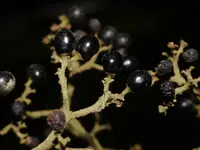
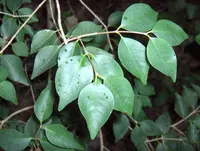
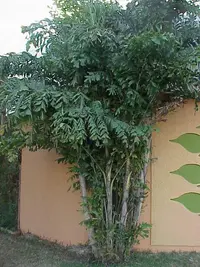
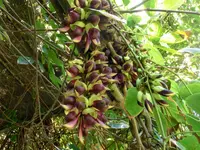
Callicarpa arborea, often called Indian beautyberry, is a woody shrub or small tree known for its clusters of bright purple berries and simple green leaves. It has an upright, branching habit and can form a dense, ornamental thicket in suitable climates.
This species is native to parts of South and Southeast Asia, where it grows in forest edges and clearings. In gardens, it is valued for its showy fruit display and relatively low maintenance compared with more delicate shrubs.
It generally prefers sun to light shade, moderate moisture, and well-drained soil. Understanding these basic needs makes it easier to care for Callicarpa arborea in temperate and subtropical landscapes.

Care Difficulty
Moderate Care

Light Preference
Full Sun

Water Requirements
Moderate Water

Temperature Preference
Warm Climate

Hardiness Zone
9–11

Soil Texture
Sandy, Loamy, Organic-rich

Soil pH
Acidic (5.5–6.5), Slightly acidic (6.5–7.0)

Soil Drainage
Moist but well-drained

Fertilization
Minimal (feed rarely)
Scan your plant to receive care tips personalized for your specific plant
Available on iOS and Android
This shrub performs best with bright outdoor exposure and some protection from harsh extremes.
This species prefers evenly moist, well-drained soil rather than constant wetness or drought.
This shrub is adapted to warm, frost-free or light-frost climates with distinct wet and dry seasons.
Humidity plays a minor role for Callicarpa arborea, which adapts well to typical outdoor conditions.
This shrub prefers moderately fertile, well-structured soil that drains freely while holding some moisture.
This species can be grown in containers where space or soil conditions are limited.
This species responds well to light, balanced feeding in cultivation, especially in poor soils.
Thoughtful pruning keeps Callicarpa arborea healthy, well-shaped, and flowering reliably.
This species is usually grown in the ground, so focus on careful transplanting rather than frequent repotting.
Callicarpa arborea can be propagated for new plants by seed or semi-ripe cuttings with suitable conditions.
This warm-climate species has limited frost tolerance and benefits from simple winter precautions in cooler regions.

Plant Health Check
Not sure what's wrong with your plant? Check your plant's health inside the app.
This species is native to tropical and subtropical parts of South and Southeast Asia, where it often grows as a large shrub or small tree along forest edges, village boundaries, and secondary woodland, rather than in deep forest shade.
The plant bears small, rounded drupes in dense clusters along the leafless branches, creating a beaded appearance that is especially conspicuous when the foliage has thinned after the main growing season.
Its fruits are eaten by various birds and small mammals in its native range, so stands of this species can act as an important seasonal food source and help support local seed-dispersing wildlife communities.
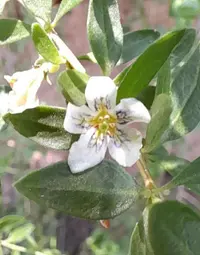
This shrub’s small summer flowers provide nectar and pollen that appeal to bees, hoverflies, and sometimes butterflies. Planting several together increases floral display and wildlife value, supporting pollinators in mixed shrub borders or naturalistic garden plantings.
Keep your plants happy and healthy with plant identification, disease detection, and easy care guidance.