Peperomia palmana Care

Peperomia palmana

About Peperomia palmana

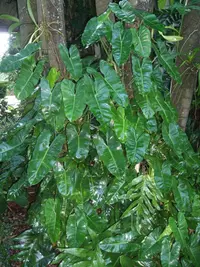
Peperomia palmana is a compact tropical perennial from Central and South America, typically found growing as an understory plant in humid forests. It belongs to the diverse Peperomia group, known for small size and ornamental foliage.

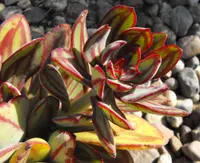
This species usually forms low clumps with fleshy, succulent-like leaves that store water, which helps it tolerate short dry spells. Its slow to moderate growth and tidy habit make it suitable for indoor containers or terrariums.

Because it dislikes extremes and sudden changes, stable indoor conditions are important to care for Peperomia palmana. It generally prefers bright, indirect light, moderate moisture, and a well-drained, airy substrate that dries slightly between waterings.

Main Plant Requirements

Care Difficulty

Moderate Care

Light Preference

Partial Shade

Water Requirements

Moderate Water

Temperature Preference

Tropical / Frost Sensitive

Hardiness Zone

Unknown

Soil Texture

Loamy, Peaty, Organic-rich

Soil pH

Acidic (5.5–6.5), Slightly acidic (6.5–7.0)

Soil Drainage

Moist but well-drained

Fertilization

Light (every 4–6 weeks)

Get Personalized Care Plan

Scan your plant to receive care tips personalized for your specific plant

Available on iOS and Android

How to Care for the Peperomia palmana

This species prefers bright, gentle light that mimics a forest understory.

  • Provide 4–6 hours of bright, indirect light daily, such as near an east- or north-facing window with sheer curtains or dappled shade outdoors.
  • Allow brief early morning sun but avoid strong midday and afternoon sun, which can cause leaf scorch, yellowing, and crisp brown edges.
  • In winter, move Peperomia palmana closer to the light source or supplement with a weak grow light to prevent leggy, stretched growth.

Watering should keep roots lightly moist but never waterlogged.

  • Allow the top 2–3 cm of soil to dry before watering, using a finger check rather than a fixed schedule, as pot size, light, and season change drying speed.
  • Use a free-draining mix and water thoroughly until excess drains away, then empty saucers to prevent root rot, mushy stems, and a sour soil smell.
  • In spring and summer, soil may dry in a few days, while in cooler, low-light months intervals lengthen; slight leaf droop and light pot weight signal it is time to water.

This plant prefers consistently warm, stable conditions with no sudden temperature swings.

  • Aim for 65–80°F (18–27°C) for steady growth, avoiding rapid shifts that can stress foliage and roots.
  • Protect from cold; growth slows below 60°F (16°C) and tissue damage can occur under 50°F (10°C), so shield from drafts, open windows in winter, and unheated porches.
  • In hotter periods above 85°F (29°C), increase air movement and shade from intense sun; never expose to frost, as freezing causes irreversible leaf and stem collapse.

This species prefers moderately humid air but usually adapts to typical home conditions.

  • Aim for 40–60% humidity to keep foliage firm and growth steady.
  • It tolerates brief drops to drier air, but prolonged <35% can cause curled, crispy leaf edges.
  • Humidity stress shows as dull, drooping leaves and browning tips, most visible on new growth.
  • Increase humidity with a nearby tray of moist pebbles or by grouping plants rather than misting Peperomia palmana frequently.

This species prefers a loose, airy mix that drains quickly yet holds some moisture around the fine roots.

  • Use a peat- or coco-based mix with added perlite and fine bark to create a light, chunky structure.
  • Ensure rapid drainage; aim for a mix that drains within seconds yet feels slightly springy, not compacted.
  • A slightly acidic to neutral pH around 6.0–7.0 suits Peperomia palmana, avoiding strongly alkaline media.
  • Avoid heavy garden soil or mixes with a high clay content, which reduce aeration and can lead to root rot.

This plant is well suited to container growing due to its compact root system.

  • Choose a low to medium-depth pot that matches the shallow root zone, leaving some lateral room for spread rather than extra depth.
  • Select a pot material that matches your watering habits, such as terracotta for faster drying or plastic to retain moisture longer.
  • Ensure generous drainage holes so water exits within seconds, preventing a perched water table that can suffocate roots.

This species grows on modest nutrition, so use light, measured feeding for Peperomia palmana in containers.

  • Use a balanced liquid fertilizer (around 10-10-10 or 20-20-20) at 1/4–1/2 strength for potted plants.
  • Feed every 4–6 weeks during the warm growing season when plants are actively producing new leaves.
  • Avoid heavy, salty fertilizers; a small amount of high-quality compost in the mix is sufficient for many plants.
  • Stop feeding in late fall and winter, or when growth slows, to prevent weak, stretched tissue.

Pruning is mainly cosmetic and hygienic for Peperomia palmana, helping maintain a compact, healthy plant.

  • Best time to prune is in spring or early summer when growth is active and recovery is fastest.
  • Remove dead, yellowing, or damaged leaves and stems with clean, sharp scissors or small pruning shears.
  • Thin crowded stems lightly to improve airflow and light penetration, keeping the plant dense but not congested.
  • Pinch back soft shoot tips to encourage branching and a more rounded, bushy form.

This plant prefers stable conditions and only occasional repotting or transplanting when clearly rootbound.

  • Check for roots circling the pot, pushing through drainage holes, or very slow growth as main repotting signals.
  • Plan repotting for spring, moving Peperomia palmana into a pot only 2–3 cm wider with a fast-draining mix.
  • Gently loosen circling roots and keep the root ball mostly intact to limit stress and post-move wilting.
  • Water lightly after shifting, keep in bright indirect light, and avoid heavy feeding until new growth resumes.

Propagation is usually done vegetatively, allowing consistent clones of Peperomia palmana.

  • Use stem cuttings with 2–3 nodes in late spring or summer for highest rooting success.
  • Place cuttings in a very airy, moist substrate, such as fine bark and perlite, at 70–80°F with high humidity.
  • Remove lower leaves, insert nodes horizontally or slightly buried, and keep medium just barely moist.
  • Division of dense clumps is possible in spring, separating sections with healthy roots and several shoots.

This species is frost sensitive and needs mild, stable conditions during winter, especially in containers.

  • Keep temperatures above 55°F; brief drops lower than this can damage foliage and stems.
  • Move container plants indoors before frost, into bright, indirect light away from cold drafts and heaters.
  • Reduce watering in winter, allowing the upper substrate to dry more between waterings to prevent root rot.
  • In very mild climates, a light mulch around outdoor roots can buffer short cool spells if plants are in the ground.

Care Tips

Use wide pots

Choose a shallow, wider pot rather than a deep one to match the plant’s shallow, fibrous root system and reduce the risk of stagnant, soggy soil at the bottom.

Rotate for symmetry

Rotate the pot 1/4 turn every 2–3 weeks so stems grow more evenly toward the light, which prevents leaning and helps maintain a compact, balanced form.

Leaf cleaning routine

Wipe the leaves gently with a soft, slightly damp cloth every 4–6 weeks to remove dust, which improves light capture and allows earlier detection of pests or rot spots.

Inspect stems closely

Check the joints where leaves meet stems every few weeks with a close visual inspection, since early signs of mealybugs or scale often appear as tiny white or brown bumps in these hidden areas when caring for Peperomia palmana.

Controlled propagation

Take only 1–2 healthy stem or leaf cuttings at a time and allow the mother plant to regrow before taking more, which prevents stress and keeps the main plant dense and vigorous over the long term.

Common Pests and Diseases

Mealybugs

This pest often hides in leaf axils and along stems, where it sucks sap and leaves behind white, cotton-like masses. Symptoms include stunted growth, distorted new leaves, and sticky honeydew on foliage or nearby surfaces.

Solution

Remove visible insects with a cotton swab dipped in 70% isopropyl alcohol, then gently wash foliage with lukewarm soapy water and rinse well. Isolate the plant, increase air movement around it, and repeat spot treatments weekly until no new insects appear; use a light horticultural oil if the infestation persists.

Spider mites

These insects thrive in warm, dry indoor air and feed on the undersides of leaves, causing fine stippling, dulling of leaf color, and eventual bronzing. Symptoms include very fine webbing between petioles and leaves, especially on stressed plants with thin foliage.

Solution

Shower the plant with a gentle stream of lukewarm water to remove mites and webbing, then maintain higher humidity and avoid placing the plant directly over heating vents. For ongoing issues, apply insecticidal soap thoroughly to both sides of leaves every 5–7 days for several cycles, ensuring good coverage of hidden leaf surfaces common in Peperomia palmana indoor care.

Fungal leaf spots

This disease causes small water-soaked spots that enlarge into brown or black lesions, sometimes with a yellow halo on the thick, fleshy leaves. Symptoms include patches of damaged tissue that may dry, crack, or drop out, giving leaves a tattered look.

Solution

Promptly remove and discard affected leaves, then improve airflow around the plant and avoid wetting the foliage during watering. If new spots continue to appear, reduce overhead misting and apply a copper-based or other labeled ornamental fungicide according to product directions, keeping intervals consistent until new growth appears clean.

Bacterial leaf blight

This disease starts as translucent, water-soaked areas that expand quickly into irregular dark patches, often along leaf edges or at the base near the petiole. Symptoms include a greasy appearance, rapid tissue collapse, and sometimes a sour or unpleasant odor from affected parts.

Solution

Isolate the plant, remove all affected leaves with sterile tools, and discard them in the trash rather than compost. Allow the soil surface to dry between waterings, increase air movement, and avoid splashing water on foliage; if spread continues, consider discarding severely affected plants to protect nearby collections.

Southern blight

This disease, caused by a soil-borne fungus, leads to sudden wilting, yellowing, and collapse of stems at the soil line, sometimes with white fungal threads and small tan sclerotia (seed-like structures) visible on the soil or lower stems. Symptoms include rapid decline despite moist soil, particularly in warm, poorly ventilated conditions.

Solution

Immediately remove and discard the plant and all surrounding soil if southern blight is confirmed, and thoroughly clean or replace the container. Avoid reusing contaminated potting mix, improve drainage and airflow, and keep the soil surface free of plant debris to reduce future fungal build-up when you grow Peperomia palmana.

Interesting Facts

Cloud forest origin

This species is native to moist montane forests of Costa Rica and nearby regions, where it often grows as an epiphyte on tree trunks and branches in cool, humid cloud forest conditions.

Succulent-like foliage

Although it is not a true succulent, this plant has relatively thick, fleshy leaves that help it store water and tolerate short dry spells in its canopy habitat.

Compact understory growth

In nature it typically forms low, compact clumps in shaded understory or trunk microhabitats, adapted to filtered light and stable, mild temperatures.

FAQs about Peperomia palmana

This compact epiphyte works very well as a small accent on desks, shelves, or mixed displays. Its modest size, patterned foliage, and relatively slow growth make it easy to site in bright indoor spaces without constant pruning.

Grow Healthy Plants with Botan Care

Keep your plants happy and healthy with plant identification, disease detection, and easy care guidance.

Botan plant care app — identify plants on mobile

Explore More Plants