Bulbous Ceropegia Care (Ceropegia bulbosa)

Bulbous Ceropegia

About Bulbous Ceropegia

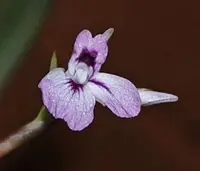
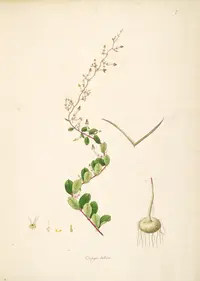
Ceropegia bulbosa, often called bulbous ceropegia, is a small succulent vine from arid and semi-arid regions of India and nearby areas. It grows from swollen, tuber-like bases that store water and carries slender, twining stems with narrow leaves and unusual lantern-shaped flowers. The flowers are typically greenish to purplish and adapted for specialized pollination, giving the plant a distinctive, architectural look. This species is drought tolerant and prefers bright light, fast-draining soil, and careful watering that avoids prolonged wetness around the tubers. These traits make it relatively easy to grow in containers for those who learn how to care for Bulbous Ceropegia and avoid overwatering.

Main Plant Requirements

Care Difficulty

Moderate Care

Light Preference

Partial Sun

Water Requirements

Low Water

Temperature Preference

Tropical / Frost Sensitive

Hardiness Zone

10–11

Soil Texture

Sandy, Loamy, Rocky

Soil pH

Acidic (5.5–6.5), Slightly acidic (6.5–7.0)

Soil Drainage

Well-drained

Fertilization

Minimal (feed rarely)

Get Personalized Care Plan

Scan your plant to receive care tips personalized for your specific plant

Available on iOS and Android

How to Care for the Bulbous Ceropegia

This drought-adapted succulent prefers bright light but needs protection from intense midday sun.

  • Provide 4–6 hours of direct morning sun with bright, filtered light for the rest of the day, especially in hot, inland climates.
  • Tolerates light, shifting shade for part of the day, but very dense shade leads to stretched, weak growth and reduced flowering in Bulbous Ceropegia.
  • In summer, shield from harsh afternoon sun to prevent leaf scorch; in winter, allow more direct light and avoid deep shade from overhangs or nearby plants.

This tuberous succulent stores water and is easily damaged by excess moisture.

  • Water only when the top 3–5 cm of soil are completely dry; in many warm, bright climates this means roughly every 7–14 days during active growth.
  • Use very fast-draining, gritty soil so water runs through quickly; prolonged soggy soil causes yellowing leaves, soft tubers, and root rot in Ceropegia bulbosa.
  • Reduce watering sharply in cooler months, giving only light sips when stems begin to wrinkle slightly, and always empty saucers or low spots where water can collect.

This species prefers warm, dry conditions and is vulnerable to cold and frost.

  • Aim for 70–85°F (21–29°C) during active growth, with brief peaks to 90°F (32°C) tolerated if soil is well drained and airflow is good.
  • Avoid temperatures below 50°F (10°C); growth slows and tissue stress increases as conditions approach this level, especially in damp soil.
  • Protect from frost, as exposure near 32°F (0°C) can kill tubers; in cool winters, keep in a sheltered, dry spot and resume warmer conditions in spring.

This species handles typical indoor humidity but benefits from moderately dry air conditions.

  • Aim for 30–50% humidity, similar to most heated homes, without deliberate humidification.
  • Bulbous Ceropegia tolerates dry air well; persistent limp, wrinkled leaves usually indicate watering issues rather than low humidity.
  • Increase humidity slightly only in very arid rooms by grouping plants or placing a pebble tray nearby, without misting the foliage.

Ceropegia bulbosa prefers a fast-draining, mineral-rich medium that protects its tubers from staying wet.

  • Use a sandy or gritty mix such as 50–60% cactus soil blended with coarse perlite, pumice, or horticultural grit.
  • Keep pH slightly acidic to neutral, around 6.0–7.0, avoiding strongly acidic or alkaline substrates that reduce nutrient availability.
  • Limit fine organic materials; add only a small portion of compost or coco coir so the mix stays loose and airy around the roots.
  • Avoid dense, water-retentive garden soil or peat-heavy potting mixes that cause tuber rot and poor root aeration.

This species is well suited to container culture due to its compact, tuberous root system.

  • Choose a wide, shallow pot to keep tubers near the surface, which dries faster and reduces rot risk.
  • Select a breathable material such as unglazed terracotta if extra evaporation is needed for a very free-draining setup.
  • Elevate the container on feet or pot risers so drainage holes stay clear and excess water exits quickly after watering.

This succulent needs modest feeding, as Ceropegia bulbosa is adapted to lean, sandy soils.

  • Use a balanced liquid fertilizer (around 10-10-10 or 20-20-20) diluted to 25–50% strength in well-watered soil.
  • Feed once every 4–6 weeks during the warm, active growing season for container plants.
  • Skip or greatly reduce feeding in winter or any clear dormancy period to avoid root burn and soft growth.
  • Slow-release granules or a light top-dressing of fine compost can be used sparingly in spring only.

Pruning Ceropegia bulbosa is mainly done to maintain shape and remove weak growth.

  • Trim in late winter or early spring before strong new growth starts, using clean, sharp scissors or snips.
  • Remove dead, shriveled, or damaged vines and any obviously tangled or overcrowded stems.
  • Shortening very long shoots encourages branching and a fuller, more compact plant form.
  • Disinfect tools before and after pruning to limit disease spread through cuts.

This plant prefers slightly snug conditions and only needs infrequent repotting in containers.

  • Check for roots circling the pot, poking from drainage holes, or noticeably slowed growth as signals to repot.
  • Plan to repot every 2–3 years in late spring, using a shallow pot and fast-draining succulent mix.
  • Water the plant lightly a day before repotting, then gently tease roots apart without breaking the brittle tubers.
  • After repotting, keep soil barely moist for 7–10 days and provide bright, indirect light to reduce transplant stress.

Ceropegia bulbosa is commonly propagated from stem cuttings and tuber division under warm, dryish conditions.

  • Take 5–8 cm non-flowering stem cuttings in late spring or summer, including at least 2 nodes.
  • Allow cut ends to callus for 1–2 days, then place in gritty, barely moist succulent mix.
  • Keep at 70–80°F in bright, indirect light, maintaining good air circulation to prevent rot.
  • Divide tubers during repotting, ensuring each piece has healthy roots, then replant shallowly.

This species dislikes frost and needs simple winter care, especially in cooler climates.

  • In regions below 40°F, grow Ceropegia bulbosa in containers so plants can be moved indoors before frost.
  • Indoors, keep temperatures around 55–70°F with bright light and very sparing watering in winter.
  • Outdoors in mild climates, apply a light, dry mulch over the tuber zone to buffer brief cold snaps.
  • Avoid wet, cold soil, which greatly increases the risk of tuber rot during the dormant season.

Care Tips

Bulb positioning

Set the tubers just at or slightly below the soil surface rather than burying them deeply, which reduces rot risk and encourages new shoot formation from the crown.

Targeted vine support

Provide a thin wire hoop or small trellis close to the pot so the fine stems can loop and anchor, preventing breakage and making it easier to inspect for pests along the vines.

Controlled pot crowding

Allow several tubers to share a small pot to create a fuller display, then divide and repot only when the pot is tightly filled and watering starts to run straight through with little absorption.

Dry rest management

During the natural resting phase, let the vines look sparse without removing the tubers, keeping the pot in bright light with very light, infrequent sips of water so the storage organs remain firm, not shriveled.

Preventive pest checks

Inspect the nodes and undersides of leaves every few weeks for early signs of mealybugs or spider mites and spot-treat with a cotton swab dipped in alcohol before infestations spread, which is an important part of caring for Bulbous Ceropegia in indoor collections.

Common Pests and Diseases

Mealybugs

This pest hides in leaf joints, on stems, and around tubers, appearing as white cottony clusters that suck sap and weaken the plant. Symptoms include stunted growth, yellowing, and sticky honeydew on stems or nearby surfaces.

Solution

Isolate the plant, then remove visible insects with a cotton swab dipped in 70% isopropyl alcohol and rinse stems gently with lukewarm water. For heavier infestations, apply a horticultural soap or neem oil spray to all stems and nodes every 7–10 days until no new insects appear, and check the soil surface and tubers during repotting.

Root and tuber mealybugs

This pest attacks the underground parts of the plant, forming white waxy patches on roots and tubers that cause poor growth and leaf drop. Symptoms include unexplained decline despite correct light and watering, and white cottony clusters on roots when the plant is unpotted.

Solution

Unpot the plant, wash off all soil, and manually remove mealybugs from roots and tubers with a soft brush and water, followed by a dip or thorough drench with insecticidal soap or a systemic product labeled for root mealybugs. Repot into fresh, well-draining mix, discard old soil, and inspect the plant every few weeks, especially when growing Bulbous Ceropegia in crowded containers.

Spider mites

These insects thrive in warm, dry indoor air, causing fine webbing, pale speckling on leaves, and gradual loss of vigor. Symptoms include dull, dusty-looking foliage and tiny moving dots on the undersides of leaves or along thin stems.

Solution

Rinse the plant thoroughly under a gentle stream of lukewarm water, focusing on stem joints and leaf undersides, then apply a miticidal or neem oil spray according to label directions. Raise humidity slightly, improve airflow, and repeat treatments every 5–7 days until new growth appears clean and free of webbing.

Stem and tuber rot

This disease develops under prolonged excess moisture, leading to soft, dark, collapsing stems or shriveled, mushy tubers. Symptoms include sudden stem yellowing, localized black or brown wet spots, and a foul smell from affected tissue.

Solution

Cut away all soft, discolored tissue with a sterile blade, dust healthy cut surfaces lightly with sulfur or a fungicidal powder, and allow them to dry before replanting. Repot into a sharply draining sandy or gritty mix, water only after the substrate has dried fully, and ensure the pot has large drainage holes so the succulent tubers remain aerated.

Fungal leaf spots

This disease appears as small brown or dark purple spots on leaves that may enlarge or merge in humid or poorly ventilated conditions. Symptoms include speckled foliage, occasional yellowing around spots, and premature leaf drop on tender shoots.

Solution

Remove and discard affected leaves, then improve airflow and avoid wetting foliage during watering. If spotting continues, use a copper-based or other labeled fungicide, applying it lightly to stems and leaves and repeating as directed, while keeping the plant in a brighter, drier position to limit further spread.

Interesting Facts

Trap-like flower tube

The flowers form a long, tubular structure with downward-pointing hairs that temporarily trap visiting insects, mainly small flies, to ensure effective pollination before releasing them.

Swollen survival tubers

This species develops thick, bulb-like tubers partly above or just below the soil surface that store water and nutrients, helping the plant survive long dry periods in its native arid and semi-arid habitats.

Seasonal growth rhythm

In its native range in India and surrounding regions, growth and flowering are strongly tied to the monsoon season, with active vine growth and flowering during rains and dormancy when conditions become very dry.

Botan icon

Did you know?

The intricate, lantern-like flowers are part of a specialized pollination system in which certain fly species are lured by scent and color patterns, held for several hours inside the floral tube while pollen is transferred, and then released unharmed, illustrating a highly evolved but non-carnivorous insect trap mechanism.

FAQs about Bulbous Ceropegia

This species adapts to both, but performance depends on warmth and light. In frost-free, dry climates, it can stay outside year-round. In cooler or wetter regions, container growing with controlled exposure and good drainage is more reliable.

Grow Healthy Plants with Botan Care

Keep your plants happy and healthy with plant identification, disease detection, and easy care guidance.

Botan plant care app — identify plants on mobile

Explore More Plants