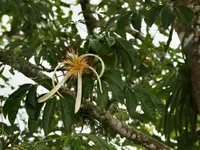
saw greenbrier Care (Smilax bona-nox)

Also known as: Green briar, Kidneyleaf greenbriar, China brier, bamboo brier, chaney briar
saw greenbrier

About saw greenbrier

Saw greenbrier (Smilax bona-nox) is a woody, climbing vine native to the southeastern and south-central United States. It often grows in thickets, wood edges, and fencerows.

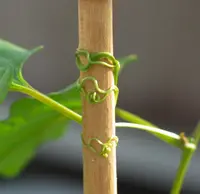
It has glossy, sometimes mottled leaves, strong tendrils, and sharp prickles along its stems, forming dense, protective tangles. Small, greenish flowers are followed by dark berries that feed wildlife.

This species spreads vigorously and can be persistent once established, which makes it hardy but sometimes difficult to manage in small gardens. It prefers sun to partial shade and well-drained soil, and understanding these conditions helps when learning how to care for saw greenbrier.

Main Plant Requirements

Care Difficulty

Easy Care

Light Preference

Partial Shade

Water Requirements

Moderate Water

Temperature Preference

Warm Climate

Hardiness Zone

6–9

Soil Texture

Sandy, Loamy, Clay

Soil pH

Slightly acidic (6.5–7.0), Neutral (7.0)

Soil Drainage

Moist but well-drained

Fertilization

Minimal (feed rarely)

Get Personalized Care Plan

Scan your plant to receive care tips personalized for your specific plant

Available on iOS and Android

How to Care for the saw greenbrier

This thorny woodland vine prefers bright conditions with protection from harsh midday sun.

  • Provide 3–6 hours of sun daily, ideally morning sun with light afternoon shade, or bright dappled light under open trees.
  • Saw greenbrier tolerates partial shade and can survive with 2–3 hours of direct light, but growth is denser and foliage fuller with more sun.
  • In very hot summers, protect from intense afternoon sun to prevent leaf scorch, yet avoid deep shade, which causes weak, stretching shoots.

This hardy vine prefers evenly moist but not saturated soil, especially during active growth.

  • Allow the top 2–5 cm of soil to dry slightly before watering, aiming for consistently moist conditions during spring and early summer growth.
  • Use well-drained, loamy soil so excess water moves away from the rhizomes, reducing risk of root rot and sour, foul-smelling soil.
  • Reduce watering in late fall and winter dormancy, watching for dry, curling leaves as a sign of underwatering and yellowing, limp stems for overwatering.

This species is adapted to warm temperate climates with distinct seasonal changes.

  • Active growth is strongest around 70–85°F (21–29°C), with acceptable performance from about 60–90°F (16–32°C) in most regions.
  • Smilax bona-nox survives brief drops to about 10–15°F (-12 to -9°C) once established, dying back above ground but resprouting from underground parts.
  • In hot summers above 95°F (35°C), provide soil mulch and some afternoon shade to limit heat stress and reduce moisture loss.

This species tolerates a wide humidity range and rarely needs special humidity management outdoors.

Smilax bona-nox grows best in loose, well-drained, moderately fertile ground.

  • Use a loamy or sandy-loam soil with plenty of organic matter to support both the roots and underground rhizomes.
  • Aim for slightly acidic to neutral pH around 6.0–7.0, amending very alkaline soil with compost or leaf mold.
  • Improve drainage and aeration by mixing in coarse sand or fine gravel where soil is heavy or compacted.
  • Avoid waterlogged clay, hardpan layers, or sites where water stands after rain, which promotes root and rhizome rot.

This species can be grown in containers if the pot is prepared for its vigorous rhizomes and climbing stems.

  • Choose a deep, heavy container that resists tipping as vines climb or lean on support structures.
  • Provide a sturdy trellis or external support anchored to the pot so stems do not pull the container off balance.
  • Line the lower third of the pot with coarse gravel or chunky bark to keep drainage pathways open under the root mass.

Smilax bona-nox is a tough native vine that usually needs only light feeding, especially when grown in the ground.

  • Use a balanced, slow-release fertilizer or well-rotted compost in early spring as new growth begins.
  • Apply a light dose once per year for in-ground plants; container plants may benefit from feeding every 6–8 weeks.
  • Dilute liquid fertilizers to 1/2 strength to avoid salt buildup and root burn.
  • Stop feeding in late summer so growth can harden before winter dormancy.

Pruning Smilax bona-nox helps manage vigor, control spread, and maintain access around other plants or structures.

  • Plan main pruning for late winter to very early spring before new shoots emerge.
  • Remove dead, damaged, or weak canes at the base and thin crowded stems to open the plant structure.
  • Cut back overly long or invasive runners to keep the vine within its intended space.
  • Use sharp bypass pruners or loppers and make clean cuts to reduce tearing of the tough stems.

Saw greenbrier is more often transplanted outdoors than grown long term in containers, due to its vigorous roots and rhizomes.

  • Look for roots circling the pot, escaping drainage holes, or a dense root mat as signs a container plant needs more space.
  • Plan transplanting or repotting for early spring or early fall, allowing mild conditions for root recovery.
  • Shift to a container 2–5 cm wider or into a prepared garden bed with loose, well-drained soil.
  • Water thoroughly before and after moving, keep roots shaded, and avoid breaking the rhizomes to reduce transplant shock.

Smilax bona-nox can be propagated, but growth from seed is slow and rhizome spread already provides natural increase.

  • Divide rhizomes in early spring, lifting a section and cutting it into pieces with several buds and roots each.
  • Replant divisions at the same depth in loose, moist, well-drained soil, then water steadily until established.
  • Sow cleaned seeds in fall outdoors or after a cold stratification period to improve germination.
  • Layering long stems into shallowly covered soil segments can root over time in consistently moist conditions.

This species is generally cold hardy in much of its native range and needs only modest winter care once established.

  • Expect foliage to die back in cold climates while underground rhizomes remain viable.
  • Add a 5–8 cm layer of mulch over the root zone in late fall in colder areas to buffer freeze–thaw cycles.
  • For container plants in regions below about 20°F, move pots to an unheated garage or sheltered porch.

Care Tips

Install sturdy support

Provide a durable trellis, fence, or tensioned wire for the vine to climb, and fasten new stems loosely with soft ties so the tendrils can anchor without pulling structures down over time.


Control spread zones

Use in-ground root barriers or plant in large, heavy containers set on hard surfaces if you want to limit rhizome spread and make it easier to remove unwanted shoots each season.

Manage thorn exposure

Site the plant away from narrow paths and work areas, and wear thick gloves and long sleeves when pruning or training stems to prevent injury from the stout prickles.

Wildlife browsing strategy

If deer or rabbits are a concern, protect young shoots with temporary wire mesh cylinders until stems toughen, since new growth is often browsed before the plant can establish fully.

Selective stem renewal

Every 1–2 years, cut a portion of the oldest, most congested stems near the base during dormancy to encourage stronger new canes and maintain a manageable structure when growing saw greenbrier in a designed landscape.

Common Pests and Diseases

Leaf-spotting fungi

This disease causes irregular tan to dark-brown spots on older leaves, often with a yellow halo and occasional tiny black fruiting bodies. Symptoms include gradual thinning of foliage on heavily shaded or crowded stems.

Solution

Prune and discard heavily spotted leaves and any dense, tangled stems to increase air movement and light penetration. Avoid overhead watering when foliage will stay wet for many hours, and if needed in repeated wet seasons, apply a labeled copper or chlorothalonil fungicide to new growth according to local extension guidance as part of broader Smilax bona-nox care instructions.

Rust

This disease produces small, raised orange to brown pustules on the undersides of leaves, sometimes causing yellowing and early leaf drop. Symptoms include patchy defoliation, especially in humid, shaded locations or along woodland edges.

Solution

Remove and dispose of infected leaves and nearby fallen debris to reduce spore sources, and thin crowded vines from fences or shrubs to improve airflow. In areas with yearly recurrence, apply a sulfur or other rust-labeled fungicide to young foliage early in the season, following label directions and avoiding application during high heat.

Smilax leaf-folder caterpillars

These insects roll or fold leaves and tie them with silk, feeding inside the shelter and leaving ragged or skeletonized leaf tissue. This pest is most noticeable on young, tender shoots where folded leaves may yellow and dry out.

Solution

Hand-pick and destroy folded leaves that contain larvae before they complete development, especially on small or ornamental plantings. For heavier infestations, encourage natural predators and, if necessary, use a targeted Bacillus thuringiensis (Bt) product on actively feeding young caterpillars, coating leaf surfaces and repeating as directed.

Sawfly larvae

These insects resemble caterpillars and feed in groups, chewing irregular holes and sometimes stripping leaves on short sections of vine. This pest can cause noticeable defoliation when populations are high on young growth.

Solution

Inspect vines regularly and prune off or crush clusters of larvae when first seen, focusing on heavily damaged shoots. If manual removal is not practical, use a soap-based insecticidal spray or a spinosad product labeled for sawflies, applied in the early morning and kept off flowering plants visited by pollinators.

Spider mites

This pest feeds on the undersides of leaves, causing fine stippling, dulling of the green color, and in severe cases webbing on stems and foliage during hot, dry weather. Symptoms include a dusty or faded appearance and early leaf shed on stressed vines, especially in exposed sites or containers used for saw greenbrier indoor care.

Solution

Rinse foliage thoroughly with a firm stream of water every few days to knock mites off and lower populations, paying attention to leaf undersides. If infestations persist, apply horticultural oil or insecticidal soap to all leaf surfaces, repeating as directed and avoiding use during periods above 85°F to prevent leaf burn.

Interesting Facts

Variable leaf shapes

This species often produces several distinct leaf shapes on the same plant, from nearly unlobed to deeply three-lobed or fiddle-shaped, which can make identification confusing in the field.

Night-fragrant flowers

The small greenish flowers are typically most fragrant at night and are pollinated by nocturnal insects attracted to their scent rather than showy color.

Evergreen in mild climates

In warmer parts of its range it can remain evergreen, forming dense, thorny thickets that provide year-round shelter for small birds and other wildlife.

Botan icon

Did you know?

The stout, flattened prickles on its stems are sharp enough to catch clothing and skin, and this trait, combined with its vigorous scrambling growth, allows it to form nearly impenetrable natural barriers in woodlands and fencerows.

FAQs about saw greenbrier

This vine spreads vigorously by underground rhizomes and bird-dispersed seeds. In favorable conditions it can form dense thickets. Use strong physical barriers and regular pruning if you need to limit its spread in managed landscapes.

Grow Healthy Plants with Botan Care

Keep your plants happy and healthy with plant identification, disease detection, and easy care guidance.

Botan plant care app — identify plants on mobile

Explore More Plants