Provide climbing support
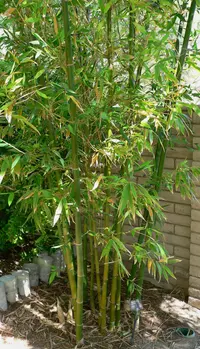
Install a sturdy trellis, wire fence, or arbor early so stems can be tied loosely with soft ties as they elongate, which keeps the plant upright, improves light exposure, and makes harvesting fruit safer and easier.

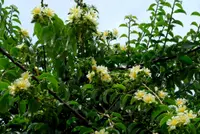
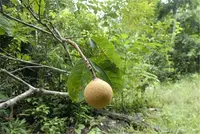
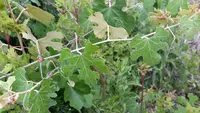
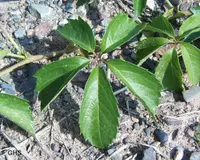
Barbados gooseberry (Pereskia aculeata) is a leafy, climbing cactus with woody stems, spines, and glossy green leaves. It can form dense, scrambling thickets when supported. Small white to cream flowers are followed by edible yellow to orange fruits, which are used in some local cuisines. The plant is native to tropical and subtropical regions of the Americas but is also grown in warm climates elsewhere. It is generally robust and fast-growing, though its thorns and vigorous habit require space and regular control. It tolerates heat and short dry periods but does best with bright light, moderate watering, and well-drained soil, which makes it relatively straightforward to care for Barbados gooseberry.

Care Difficulty
Moderate Care

Light Preference
Full Sun

Water Requirements
Moderate Water

Temperature Preference
Tropical / Frost Sensitive

Hardiness Zone
9–11

Soil Texture
Sandy, Loamy, Organic-rich

Soil pH
Acidic (5.5–6.5), Slightly acidic (6.5–7.0)

Soil Drainage
Well-drained

Fertilization
Light (every 4–6 weeks)
Scan your plant to receive care tips personalized for your specific plant
Available on iOS and Android
Pereskia aculeata needs strong light to fruit and flower well, but foliage can scorch in harsh exposure.
This cactus-like vine prefers deep but infrequent watering that allows the soil to dry slightly between soakings.
This species favors warm, frost-free conditions and reacts quickly to cold snaps.
This cactus tolerates a wide range of humidity and usually thrives in typical indoor air.
This species prefers sharply drained, moderately rich soil that does not stay wet for long.
This species is suitable for container growing when the pot is chosen to support its vigorous, climbing habit.
Pereskia aculeata responds well to modest, consistent feeding during its active growing season.
Pereskia aculeata benefits from controlled pruning to manage size, encourage branching, and remove weak growth.
This vigorous climber often needs more space as it matures, whether grown in containers or in the ground.
New Pereskia aculeata plants are commonly produced from cuttings, with seeds used less often.
This species is frost sensitive and needs protection in regions with cold winters.

Plant Health Check
Not sure what's wrong with your plant? Check your plant's health inside the app.
This cactus retains broad, functional leaves and performs typical C3 photosynthesis, unlike most cacti that use leafless, succulent stems and CAM photosynthesis for water storage.
Its young leaves are eaten as a leafy vegetable in Brazil, and the orange, mucilaginous fruits are used for juices and jellies due to their vitamin C and carotenoid content.
With long, woody, thorny stems, it climbs over trees and structures and has become an invasive species in parts of South Africa and Australia, where it smothers native vegetation.

Genetic and morphological studies show that this species holds a key position in understanding cactus evolution, because its combination of true leaves, woody stems, and cactus-type areoles helps researchers reconstruct how typical leafless, succulent cacti originated from leafy ancestors.
This vine spreads vigorously by long scrambling stems and self-seeding. In warm climates it can form dense thickets, smothering nearby plants. Use strong supports, prune regularly, and dispose of trimmings carefully to prevent unwanted spread.
Keep your plants happy and healthy with plant identification, disease detection, and easy care guidance.