Install sturdy support
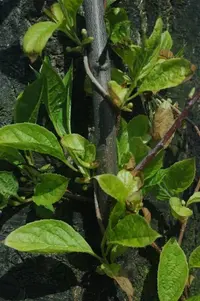
Provide a strong trellis, wire fence, or T-post system before the plant reaches 60–80 cm so stems can be tied loosely with soft ties and kept upright for easier harvesting and disease monitoring.

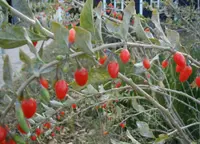
Matrimony vine, Lycium barbarum, is a woody, deciduous shrub grown for its bright orange-red goji berries. It has arching, often sprawling stems with small, narrow leaves and tiny, purple-tinged flowers.
This species is native to parts of China and central Asia but is now cultivated in many temperate regions as a fruiting and hedging plant. It can grow quite vigorously and may need space and pruning.
The plant is generally hardy and tolerant of poor soils once established, which makes it relatively easy to grow for many gardeners. It prefers full sun, well-drained soil, and moderate moisture, and these preferences guide how to care for matrimony vine in home gardens.

Care Difficulty
Easy Care

Light Preference
Full Sun

Water Requirements
Moderate Water

Temperature Preference
Cold Hardy

Hardiness Zone
5–9

Soil Texture
Sandy, Loamy, Clay

Soil pH
Slightly acidic (6.5–7.0), Slightly alkaline (7.0–7.5)

Soil Drainage
Well-drained

Fertilization
Minimal (feed rarely)
Scan your plant to receive care tips personalized for your specific plant
Available on iOS and Android
Lycium barbarum needs abundant direct sun to flower and fruit well.
Lycium barbarum prefers deep, infrequent watering and well-drained soil.
This shrub is cold-hardy yet grows best in moderate temperatures.
Lycium barbarum handles typical indoor humidity but benefits from slightly dry air conditions.
Lycium barbarum prefers light, well-drained soil that does not stay wet after watering.
This species can be grown in containers if the pot supports its deep, woody root system and tall, shrubby growth.
Lycium barbarum benefits from moderate feeding to support steady growth and fruiting.
Pruning supports a strong framework and good fruit production in Lycium barbarum.
This shrub is usually grown in the ground, so focus on careful transplanting rather than frequent repotting.
Lycium barbarum is commonly propagated from semi-ripe cuttings or seeds.
This shrub is generally cold hardy, so outdoor plants in the ground need little winter attention in most temperate climates.

Plant Health Check
Not sure what's wrong with your plant? Check your plant's health inside the app.
Lycium barbarum has been cultivated for its bright red berries in northern China for centuries, especially in Ningxia and Gansu, where distinct local landraces have been selected for fruit size and sweetness.
This species naturally grows in semi-arid regions and on disturbed, often slightly saline soils, showing notable tolerance to both drought and moderate soil salinity compared with many other fruiting shrubs.
Individual plants produce both male and female floral structures and can set fruit on their own, yet bees and other insects still play a major role in pollination and improving fruit set.

Modern genetic studies indicate that Lycium barbarum and the closely related Lycium chinense have been domesticated separately, creating two parallel domestication lineages within the genus associated with different traditional growing regions in East Asia.
This species can spread vigorously by seed and suckering roots, especially in mild climates. In some regions it is considered invasive. Regular pruning, fruit removal, and root barrier edging help keep it contained in managed gardens.
Keep your plants happy and healthy with plant identification, disease detection, and easy care guidance.