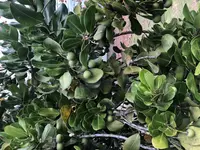
Bladder dock Care (Rumex vesicarius)

Also known as: Ruby dock
Bladder dock

About Bladder dock

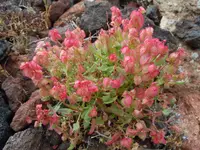
Bladder dock (Rumex vesicarius) is a small annual herb in the buckwheat family, grown mainly for its tangy, edible leaves and decorative seed pods. Plants form low mounds of fleshy, triangular leaves, followed by inflated, bladder-like red or pink seed capsules that give the species its common name.

It is native to arid and semi-arid regions from North Africa through the Middle East to parts of South Asia, where it often grows in disturbed, open ground. The plant favors full sun, moderate moisture, and well-drained, rather light soils, which makes it relatively straightforward to grow in similar conditions.

In suitable climates it can self-seed, so it may persist in the garden without much effort. Gardeners looking to care for Bladder dock mainly need to manage sun exposure and soil drainage.

Main Plant Requirements

Care Difficulty

Easy Care

Light Preference

Full Sun

Water Requirements

Moderate Water

Temperature Preference

Warm Climate

Hardiness Zone

9–11

Soil Texture

Sandy, Loamy, Organic-rich

Soil pH

Acidic (5.5–6.5), Slightly acidic (6.5–7.0)

Soil Drainage

Moist but well-drained

Fertilization

Minimal (feed rarely)

Get Personalized Care Plan

Scan your plant to receive care tips personalized for your specific plant

Available on iOS and Android

How to Care for the Bladder dock

This sun-loving annual herb grows best in bright, open conditions with some protection from harsh extremes.

  • Provide 6–8 hours of direct sun daily; in hot regions, prioritize morning sun with light afternoon shade to prevent leaf scorch on Bladder dock.
  • In cooler climates, full sun all day supports compact growth and stronger flavor, while light, dappled shade is acceptable but may reduce vigor.
  • Avoid deep shade, which causes weak, floppy stems; in summer, use taller crops or shade cloth for partial afternoon filtering if leaves bleach or crisp.

This shallow-rooted species prefers steadily moist but not saturated soil, especially during active growth.

  • Water when the top 2–3 cm of soil feels dry, soaking the root zone thoroughly, then let excess drain away to avoid root rot.
  • In spring and fall, moisture is often sufficient from rain, but in hot, dry periods Rumex vesicarius may need watering every few days, guided by soil feel.
  • Wilting and dull, curling leaves signal underwatering, while yellowing, mushy stems or a sour soil smell point to overwatering or poor drainage.

This annual herb prefers mild to warm conditions and declines quickly in hard frost or extreme heat.

  • Aim for 60–75°F (16–24°C) for best growth; germination and early development are strongest in the lower part of this range.
  • Mature plants tolerate brief dips to about 32°F (0°C), but repeated frosts damage foliage, so plan main growth for frost-free months.
  • In hot summers above 86°F (30°C), growth slows, leaves may turn bitter, and bolting accelerates; use light shade and consistent moisture to reduce heat stress.

This species handles a wide humidity range and usually does not need special humidity control.

  • Target 30–60% relative humidity, which matches most outdoor and indoor household conditions.
  • Dry air rarely harms Bladder dock, but prolonged very dry, hot wind can crisp leaf edges and reduce vigor.
  • To ease stress in very arid climates, shelter plants from strong drying winds and use a light mulch to reduce transpiration.

This species prefers moderately fertile, well-drained soil that does not stay waterlogged.

  • Use a loose sandy or sandy-loam texture with some organic matter so roots get both moisture and air.
  • Blend roughly 60% garden loam or general-purpose mix with 20% coarse sand and 20% compost for Rumex vesicarius.
  • Keep drainage fast; avoid heavy clay or compacted ground that ponds water around the crown.
  • Aim for slightly acidic to neutral pH, about 6.0–7.0, and add coarse material if the surface crusts after rain.

This plant grows reliably in containers when given enough root depth and sharp drainage.

  • Choose a pot at least 20–25 cm deep so the taproot can extend without coiling tightly at the base.
  • Use a heavier material like terracotta or ceramic outdoors to prevent light pots from tipping in wind.
  • Elevate the container slightly on pot feet or bricks so drainage holes stay clear and excess water escapes quickly.

This annual herb performs well in reasonably fertile soil, so heavy feeding is unnecessary for Rumex vesicarius plant care.

  • Use a light application of balanced NPK granular fertilizer or compost at planting to enrich poor soils.
  • During the main growing season, apply a diluted balanced liquid feed at 1/2 strength every 3–4 weeks if growth looks weak or leaves pale.
  • Stop feeding in late season as plants approach flowering and seed set, since extra nutrients no longer improve performance.

Pruning Rumex vesicarius is simple and mainly supports fresh leafy growth and tidy appearance.

  • In spring and early summer, remove yellowing, damaged, or pest-marked leaves with clean scissors or hand pruners.
  • Cut spent flowering stems low at the base to reduce self-seeding and encourage new basal foliage.
  • Thin crowded stems so air and light reach the center of the clump, which helps limit mildew and encourages stronger growth.

This species is usually treated as a short-lived annual, so transplanting is more relevant than long-term repotting.

  • Transplant seedlings outdoors in spring once frost risk passes and they have 2–3 true leaves.
  • Choose a sunny, free-draining site and set plants at the same depth, spacing them 15–25 cm apart to reduce competition.
  • Handle roots gently, firm soil lightly, then water thoroughly to settle roots and limit transplant shock.
  • Containers are uncommon, but if roots circle the pot or growth slows, shift to a slightly larger pot with fresh, well-drained mix.

Rumex vesicarius is most often propagated from seed rather than by division or cuttings.

  • Sow seeds in early spring under cover or directly outdoors after frost danger has passed.
  • Use a light, well-drained seed mix, barely cover seeds, and keep evenly moist at 60–70°F for good germination.
  • Provide bright light and good airflow to prevent damping-off, a fungal issue that kills young seedlings at soil level.
  • Harden off young plants gradually outdoors over 7–10 days before final planting to reduce stress.

In most climates this plant behaves as a frost-tender annual, so extensive winter care is usually unnecessary for caring for Bladder dock.

  • Light frosts often damage or kill foliage, so expect plants to decline with the first hard freezes.
  • In mild winter areas, a thin mulch layer can help protect self-sown seedlings and roots that may overwinter.
  • Container plants in cooler regions can be moved into a bright, frost-free space to extend the harvest a few weeks.

Care Tips

Staggered Succession Sowing

Sow small batches every 2–3 weeks during the cool season so young plants are always replacing older, declining ones, which keeps leaf quality high and reduces the risk of pests building up on aging plants.

Flavor Management Harvesting

Harvest outer leaves young and regularly before they reach full size to maintain a milder, less fibrous texture and encourage the plant to keep producing new, tender foliage from the center.

Wind And Lodging Control

In exposed sites, place low mesh or soft twine supports around the row to prevent tall, soft stems from lodging in strong winds, which keeps leaves clean and easier to harvest.

Seed Head Limitation

Remove most flowering stalks as they appear, leaving only a few for seed saving, to prevent self-seeding around the garden and to keep the plant’s energy focused on producing usable leaves.

Soil Salinity Monitoring

Rotate planting beds each season and avoid sites with a history of heavy fertilizer or manure use, since this species is sensitive to salt buildup and performs best in relatively low-salinity soils when growing Bladder dock.

Common Pests and Diseases

Leaf miners

This pest tunnels inside the leaves, creating pale, winding trails and blotches that can distort young foliage.

Solution

Remove and discard affected leaves as soon as mines are seen, and keep nearby weeds from the Rumex genus cut back to reduce local populations. Floating row covers over young plants and the use of yellow sticky traps can also help monitor and reduce adult leaf miner activity when growing Bladder dock outdoors.

Aphids

These insects cluster on young stems and the undersides of leaves, sucking sap and causing curling, yellowing, and sticky honeydew deposits.

Solution

Wash colonies off with a firm stream of water and pinch back heavily infested shoot tips. If needed, apply insecticidal soap or a light horticultural oil spray, ensuring good coverage on leaf undersides while avoiding application during very hot, sunny periods.

Downy mildew

This disease produces pale, yellowish patches on the upper leaf surface, often with a gray or purplish mold-like growth underneath, and can stunt young plants in cool, humid weather.

Solution

Improve spacing and airflow, water at soil level rather than overhead, and promptly remove and discard badly affected leaves. In areas with recurring issues, rotate planting sites, avoid prolonged leaf wetness, and consider using a copper-based fungicide labeled for leafy vegetables as a preventive treatment if conditions favor infection.

Powdery mildew

This disease causes a white, powdery coating on leaves and stems, which can lead to reduced vigor and premature leaf drop during warm, dry days with cool nights.

Solution

Thin crowded plants, remove affected leaves, and avoid high nitrogen fertilization that encourages soft, mildew-prone growth. If needed, apply a labeled sulfur or potassium bicarbonate product at the first sign of infection, repeating according to label directions while keeping foliage dry between treatments.

Flea beetles

These pests chew many small round holes in leaves, giving them a shot-hole or sieve-like appearance, and are especially damaging to seedlings and young plants.

Solution

Use floating row covers to protect young plants, and keep surrounding soil free of plant debris where adults may shelter. Sticky traps and light tilling between crops can help reduce populations, and in persistent infestations, spot-treat foliage with a neem-based product in the early morning or evening when beetles are most active.

Interesting Facts

Inflated fruit sacs

This species develops distinctive papery, bladder-like outer coverings around its small fruits, which give the plant its common name and help the seeds disperse by wind and water.

Halophyte desert annual

Rumex vesicarius is a salt-tolerant annual that naturally occurs in arid and semi-arid regions, including coastal saline soils and desert wadis, where it completes its life cycle quickly during brief moist periods.

Edible sour leaves

The young leaves and shoots have a pronounced sour flavor due to oxalic acid and are traditionally eaten raw or cooked as a leafy vegetable in parts of North Africa, the Middle East, and South Asia.

Botan icon

Did you know?

In several desert farming traditions, Rumex vesicarius is deliberately sown at the end of crop rows or along field margins as a short-lived salad and cooking green that can be harvested before high heat and drought kill back less adapted vegetables.

FAQs about Bladder dock

Young leaves and tender stems are edible and often used raw or lightly cooked, with a sharp, sour taste from oxalic acid. Individuals with kidney problems or on low-oxalate diets should avoid frequent consumption.

Grow Healthy Plants with Botan Care

Keep your plants happy and healthy with plant identification, disease detection, and easy care guidance.

Botan plant care app — identify plants on mobile

Explore More Plants