Encourage Bushier Growth
Pinch back soft new shoots by 1–2 in in early spring to promote branching and create a denser, more wind-resistant plant instead of a few long, weak stems.

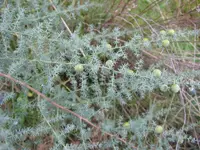
Spiny asparagus (Asparagus acutifolius) is a woody, climbing or scrambling perennial with thin, wiry stems and dense, needle-like cladodes that look like fine spines. It forms a loose, thorny shrub that can tangle through nearby plants or supports.
This species is native to the Mediterranean region, where it grows in dry, rocky scrub and light woodland. It is adapted to heat and drought, which makes it relatively tolerant of occasional neglect.
Spiny asparagus prefers bright light, well-drained soil, and moderate watering, so it suits low-maintenance gardeners who want to learn how to care for Spiny Asparagus without complex routines.

Care Difficulty
Moderate Care

Light Preference
Full Sun

Water Requirements
Low Water

Temperature Preference
Warm Climate

Hardiness Zone
8–10

Soil Texture
Sandy, Loamy, Rocky

Soil pH
Slightly acidic (6.5–7.0), Slightly alkaline (7.0–7.5)

Soil Drainage
Well-drained

Fertilization
Minimal (feed rarely)
Scan your plant to receive care tips personalized for your specific plant
Available on iOS and Android
This Mediterranean shrub prefers bright conditions but copes well with some shade in hot climates.
This drought-tolerant species prefers deep, infrequent watering over constant moisture.
This hardy asparagus shrub tolerates a wide temperature range but grows best in mild conditions.
This species handles a wide humidity range and usually does not need special humidity management indoors.
Asparagus acutifolius prefers lean, well-drained, slightly gritty soil that does not stay wet.
This species is suitable for container growing when the pot is chosen to match its woody, spreading root system.
Asparagus acutifolius is a tough Mediterranean species that needs only light feeding in cultivation.
Pruning Asparagus acutifolius is mainly done to keep a manageable shape and remove weak growth.
This species is more often grown in the ground, but container plants or young Asparagus acutifolius may need occasional transplanting.
Asparagus acutifolius is commonly propagated by seed or by careful division of established clumps.
This Mediterranean shrub is fairly cold hardy and usually needs only modest winter care in mild climates.

Plant Health Check
Not sure what's wrong with your plant? Check your plant's health inside the app.
This species is a woody, scrambling climber native to dry Mediterranean scrub, using its stiff, spiny cladodes and hooked branchlets to lean on surrounding shrubs rather than climb with tendrils.
What look like needle-like leaves are actually modified stems called cladodes, which carry out most of the photosynthesis while the true leaves are reduced to tiny, short-lived scales.
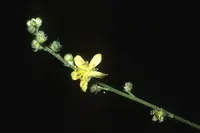
Unlike many related species that flower in spring, this plant typically flowers in late summer to autumn with small, fragrant, pale yellowish flowers that attract bees and other pollinators in Mediterranean habitats.

The young shoots of this species have long been gathered as a wild edible in parts of southern Europe, where they are used in traditional seasonal dishes and valued for their pronounced bitter-aromatic flavor compared to the common garden asparagus.
This species is functionally evergreen in mild climates, holding its needle-like cladodes year-round. In colder or very dry conditions it can partially defoliate, then resprout from the woody base once favorable temperatures and moisture return.
Keep your plants happy and healthy with plant identification, disease detection, and easy care guidance.