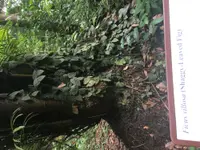
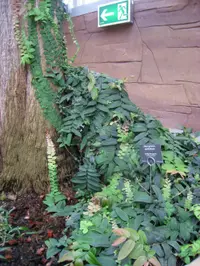
Puawhananga Care (Clematis paniculata)

Also known as: White Clematis, New Zealand clematis
Puawhananga

About Puawhananga

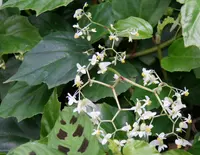
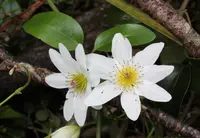
Puawhananga, Clematis paniculata, is a vigorous evergreen or semi-evergreen climbing vine native to New Zealand forests and scrub. It often scrambles over trees and shrubs, forming a light, lacy canopy. Its foliage is usually dark green and leathery, and in season it produces many small, white, fragrant star-shaped flowers that can cover the plant. This natural abundance makes it attractive in gardens where a soft, wild look is desired. In cultivation it prefers well-drained soil, consistent moisture, and a position with good light but some protection from harsh conditions. Understanding how to care for Puawhananga helps gardeners match its forest-edge origins and manage its strong growth habit.

Main Plant Requirements

Care Difficulty

Moderate Care

Light Preference

Partial Sun

Water Requirements

Moderate Water

Temperature Preference

Cold Hardy

Hardiness Zone

7–10

Soil Texture

Loamy, Sandy, Organic-rich

Soil pH

Slightly acidic (6.5–7.0), Neutral (7.0)

Soil Drainage

Moist but well-drained

Fertilization

Light (every 4–6 weeks)

Get Personalized Care Plan

Scan your plant to receive care tips personalized for your specific plant

Available on iOS and Android

How to Care for the Puawhananga

Clematis paniculata prefers bright conditions with several hours of direct sun on its upper growth and cooler, shaded roots.

  • Provide 4–6 hours of direct sun daily, ideally morning to early afternoon; light afternoon shade reduces leaf scorch and prolongs flowering.
  • Tolerates light or dappled shade, but flowering on Puawhananga decreases if it receives less than about 3–4 hours of sun, leading to fewer, smaller blooms.
  • In hot summers, protect from intense late-afternoon sun; use mulches or low plants to shade the root zone while allowing the vine to climb into stronger light.

Clematis paniculata prefers consistently moist but not saturated soil, with extra care during the first 1–2 growing seasons.

  • Water when the top 3–5 cm of soil feel dry, soaking the root zone deeply so moisture penetrates 20–30 cm; avoid light sprinkling that only wets the surface.
  • In spring and summer, monitor during warm, dry spells; drooping leaves that recover at dusk suggest mild drought, while limp, yellowing foliage with wet soil suggests overwatering.
  • Ensure sharply draining soil or raised beds so water does not pool around roots; amend heavy clay with compost and grit to reduce root rot risk for Clematis paniculata.

This species is a cool- to mild-temperate climber that handles winter cold but dislikes extreme, prolonged heat or sudden temperature swings.

  • Supports strong growth and flowering in 60–75°F (16–24°C); short periods up to 85°F (29°C) are acceptable if soil moisture is stable and roots are shaded.
  • Established plants typically tolerate winter lows down to about 14–5°F (-10 to -15°C); mulch the root zone 5–10 cm deep in colder areas to buffer freeze–thaw cycles.
  • In regions with hot summers, prolonged temperatures above 85–90°F (29–32°C) can stress vines; provide afternoon shade, maintain even soil moisture, and avoid dark, heat-reflective walls.

Humidity is not a major factor for Clematis paniculata and Puawhananga grows reliably in typical outdoor levels.

Clematis paniculata prefers deep, moist but sharply draining loam that stays cool at the root zone.

  • Use a loamy soil rich in organic matter, mixing garden soil with compost and coarse sand or fine gravel for structure.
  • Aim for slightly alkaline to neutral pH, roughly 6.8–7.5, as strongly acidic conditions reduce vigor and flowering.
  • Incorporate coarse materials such as grit or pine bark fines through the top 20–30 cm to improve drainage and aeration.
  • Avoid heavy, compacted clay or spots where water stands after rain, since poorly drained soil promotes root rot.

This species can adapt to container growing outdoors if the root zone is kept cool and well drained.

  • Choose a tall, heavy container to provide deep root space and prevent the vine from becoming unstable as it climbs.
  • Line the pot sides with a thin layer of composted bark to help insulate roots from heat while still allowing drainage.
  • Position the container so the base is shaded by low plants or a cover mulch while the top growth can reach full sun.

This vigorous climber benefits from moderate feeding to support strong growth and flowering.

  • Apply a balanced, slow-release fertilizer (around 10-10-10) at half strength in early spring as new growth starts.
  • Top-dress with compost around the root zone once each spring to improve soil structure and nutrient supply for Puawhananga.
  • During the main growing season, supplement with a diluted balanced liquid feed every 4–6 weeks if growth is weak or flowering is light.
  • Stop feeding in late summer and avoid fertilizing during winter dormancy to prevent soft, frost-sensitive growth.

Thoughtful pruning keeps Clematis paniculata flowering well and prevents it from becoming a dense tangle.

  • Carry out main pruning in late winter or very early spring before new growth extends.
  • Remove dead, damaged, or weak stems first, then thin crowded shoots to improve light and air movement.
  • Shorten remaining stems by about one-third to shape the vine and encourage strong new flowering shoots.
  • Use clean, sharp bypass pruners and make angled cuts just above healthy buds.

This climber is usually grown in the ground, but young or container plants sometimes need careful transplanting.

  • Look for roots circling the pot drainage holes, dry-out faster than usual, or slowed growth as signs a container plant needs more space.
  • Plan transplanting or up-potting for early spring or early fall when temperatures are mild and soil is workable.
  • Expect most container plants to need a larger pot every 2–3 years, using deep containers with free-draining, humus-rich mix.
  • Minimize root stress by watering well before moving, handling the root ball gently, and shading the plant for a few days after transplanting.

Clematis paniculata is commonly propagated by cuttings, layering, or seed, though cuttings give the most predictable results.

  • Take semi-ripe stem cuttings in late spring to midsummer, using non-flowering shoots 8–10 cm long with 2–3 nodes.
  • Insert cuttings into a sterile, free-draining mix, keep at 65–75°F with high humidity, and provide bright, indirect light.
  • Use simple layering in spring by pegging a flexible stem into soil, keeping the buried section moist until roots form.
  • Sow fresh seed in autumn in pots outdoors for natural cold stratification, understanding seedlings may vary from the parent.

This species is fairly cold hardy in many temperate regions but still benefits from basic winter protection of its root zone.

  • Tolerates light to moderate frosts once established but young plants are more sensitive to deep freezes.
  • Apply a 5–8 cm layer of mulch over the root area in late fall, keeping material slightly away from the stem base.
  • In very cold areas, loosely tie stems to supports and consider burlap wrapping to reduce desiccating winter winds.
  • Move container-grown plants into a sheltered, unheated but frost-free spot, keeping soil just slightly moist.

Care Tips

Provide sturdy support

Use a strong trellis, wires, or mesh with horizontal elements 10–20 cm apart so vines can twine by their leaf stalks and be spaced for good air movement to reduce fungal issues.

Cool the root zone

Mulch the root area with 5–8 cm of bark or compost and plant shallow-rooted perennials or groundcovers nearby to shade the soil while keeping the stems and vine itself in full light.

Train young shoots

In the first 1–2 seasons, gently tie new shoots to their support with soft ties or garden twine so they establish an even framework that will carry heavier flowering growth later.

Monitor for vine stress

During hot, dry, or windy periods, check the base of the plant for wilting or browning stems, then adjust mulching, watering depth, or wind protection promptly, as this species can suffer sudden wilt from root or stem stress.

Plan long-term space

When growing Puawhananga, allow at least 3–5 m of horizontal or vertical space and keep nearby structures, gutters, and neighboring shrubs in mind so the mature vine can expand without needing severe, health-damaging cutbacks.

Common Pests and Diseases

Clematis wilt

This disease causes sudden blackening and collapse of stems, often just as the plant is coming into strong growth or flower. Symptoms include dark, shriveled sections on young stems and rapid loss of foliage above the affected point.

Solution

Cut out affected stems well back into healthy green tissue and dispose of them in household trash, not compost. Keep the plant base cool and evenly moist with mulch, avoid mechanical damage to stems near soil level, and improve air circulation around the vine to reduce stress and the chance of reinfection.

Powdery mildew

This disease produces a white, powdery coating on leaves, stems, and sometimes flower buds, often during warm, dry periods with poor airflow. Symptoms include distorted new growth and yellowing or premature leaf drop when severe.

Solution

Remove and discard heavily affected leaves and thin overcrowded stems to increase airflow. Water at the base, avoid wetting foliage, and if needed use a labeled horticultural oil or potassium bicarbonate spray applied in the evening and repeated as directed to protect new growth.

Aphids

These insects cluster on young shoots, buds, and the undersides of leaves, sucking sap and excreting sticky honeydew. Symptoms include curled or distorted new growth and the possible development of sooty mold on the honeydew.

Solution

Dislodge colonies with a firm stream of water, repeating every few days, and pinch off heavily infested shoot tips. For persistent infestations, apply insecticidal soap or a light horticultural oil, ensuring full coverage of the undersides of leaves and young stems while avoiding spraying in hot direct sun.

Spider mites

This pest is favored by hot, dry conditions and feeds on leaf undersides, causing fine speckling and a dull, bronzed appearance. Symptoms include very fine webbing between leaves and stems when populations are high.

Solution

Increase humidity around the plant and regularly hose down foliage, paying attention to leaf undersides to knock mites off. Where populations remain high, use insecticidal soap or a horticultural oil labeled for mites, applied thoroughly and repeated at 5–7 day intervals as needed while monitoring for new damage.

Slugs and snails

These pests chew irregular holes in young leaves and can sever emerging shoots at ground level, especially in cool, damp conditions. Symptoms include shredded foliage and missing soft shoot tips near the base of the plant.

Solution

Hand-pick slugs and snails in the evening, use copper tape or barriers around the plant base, and reduce hiding places such as dense debris or boards near the crown. In high-pressure areas, place iron phosphate-based slug pellets around but not touching the stems, following label directions to protect pets and wildlife.

Interesting Facts

New Zealand forest climber

This species is native to New Zealand and is one of the few large, white-flowering vines that naturally climb into the mid to upper canopy of mixed podocarp–broadleaf forests, often draping high tree crowns in bloom.

Specialist moth pollinator

Research in New Zealand has shown that the endemic moth Zelleria maculata is a key pollinator, visiting the flowers at night and transferring pollen as it feeds, which makes this vine part of a specialized native insect–plant interaction.

Seasonal sex expression

Individual plants can show functional male or female flowers in a season, and some can change functional sex between years, an uncommon pattern of sexual expression among woody vines.

Botan icon

Did you know?

In traditional Māori culture, puawhananga (Clematis paniculata) is regarded as a seasonal marker, with its mass spring flowering in the forest canopy used as a visual signal of the transition from the cold season toward the warmer part of the year.

FAQs about Puawhananga

In its native New Zealand, this species can spread vigorously by seed and stems, especially in forest edges. In gardens it can overwhelm small plants if unmanaged, so regular pruning and monitoring of self-seeded seedlings is important.

Grow Healthy Plants with Botan Care

Keep your plants happy and healthy with plant identification, disease detection, and easy care guidance.

Botan plant care app — identify plants on mobile

Explore More Plants