bluebill Care (Clematis pitcheri)

Also known as: Pitcher's leatherflower
bluebill

About bluebill

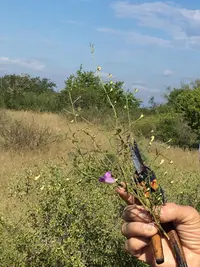
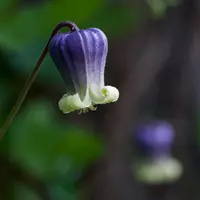
Bluebill, Clematis pitcheri, is a small, twining vine in the buttercup family, grown mainly for its nodding, bell-shaped blue to purple flowers. It typically scrambles through shrubs or over low supports rather than forming a heavy, woody climber.

This species is native to central and southern parts of the United States, often found in open woods, thickets, and along stream banks. Its moderate growth rate and need for support make it manageable but not ideal for very tight spaces.

Gardeners who want to care for bluebill should note that it prefers sun to light shade, well-drained soil, and steady, not soggy, moisture for reliable flowering.

Main Plant Requirements

Care Difficulty

Moderate Care

Light Preference

Full Sun

Water Requirements

Moderate Water

Temperature Preference

Cold Hardy

Hardiness Zone

4–8

Soil Texture

Loamy, Clay, Organic-rich

Soil pH

Acidic (5.5–6.5), Slightly acidic (6.5–7.0)

Soil Drainage

Moist but well-drained

Fertilization

Minimal (feed rarely)

Get Personalized Care Plan

Scan your plant to receive care tips personalized for your specific plant

Available on iOS and Android

How to Care for the bluebill

Clematis pitcheri grows best with strong light on the vine and cooler, shaded roots.

  • Provide 6–8 hours of sun daily, with morning sun and light afternoon shade; full, harsh afternoon sun in hot climates can scorch leaves and fade blooms.
  • Allow light or dappled shade for the lower 15–30 cm of the plant to keep roots cool; mulch helps protect bluebill from overheating and moisture loss.
  • In cooler regions, full sun promotes flowering, while in hotter areas a few hours of filtered light in midafternoon reduce heat stress and wilting.

Clematis pitcheri prefers evenly moist, not soggy, soil with good drainage.

  • Water when the top 3–5 cm of soil feels dry; soak deeply so moisture reaches the root zone, then let excess drain away to prevent root rot.
  • In spring and during hot, dry spells, increase frequency, while in cool or rainy periods reduce watering to avoid constantly wet soil and yellowing leaves.
  • Watch for drooping, dull leaves that perk up after watering as a sign of dryness, and for limp, yellowing foliage or a sour soil smell as signs of overwatering.

This vine handles a wide temperature range but flowers best in moderate conditions.

  • Optimal growth occurs around 65–80°F (18–27°C); stable spring and early summer temperatures support strong shoot growth and bud formation.
  • Clematis pitcheri is cold-hardy in many temperate gardens and can survive winter lows near 0°F (−18°C) when roots are mulched and soil drains well.
  • During summer heat above 90°F (32°C), provide mulch and some afternoon shade to protect roots and foliage, as prolonged extremes can stress the plant and reduce flowering.

Humidity is usually not critical for Clematis pitcheri, which adapts well to typical outdoor air levels.

  • Performs well at 30–60% humidity, matching most temperate garden conditions.
  • Tolerates dry air but may show leaf edge browning and slower growth during extended hot, arid spells.
  • If air is very dry, increase local humidity with mulch over the root zone and companion planting to shade the soil surface.

Clematis pitcheri prefers deep, well-structured soil that stays evenly moist yet drains freely.

  • Use a loamy soil rich in organic matter, with a mix such as 50% garden loam, 30% compost, and 20% coarse sand or fine bark for structure.
  • Aim for slightly acidic to neutral pH around 6.0–7.0, avoiding strongly acidic or alkaline sites that restrict nutrient uptake.
  • Improve drainage in heavy clay by incorporating coarse sand, fine gravel, or pine bark chips through the top 20–30 cm.
  • Avoid compacted, waterlogged, or very shallow soils, which promote root rot and limit root depth and plant stability.

This species can grow successfully in containers if given enough root depth and excellent drainage.

  • Choose a tall, heavy container that is at least 35–45 cm deep to support the vine and prevent tipping in wind.
  • Use a free-draining mix such as 60% peat-free potting mix with 20% compost and 20% perlite or fine bark to avoid soggy roots.
  • Position the pot so the root zone stays shaded and cool, while allowing the vine easy access to a trellis or other vertical support.

Clematis pitcheri benefits from modest, consistent feeding during the active growing season for best flowering.

  • Apply a balanced, slow-release fertilizer (around 10-10-10) in early spring as new growth begins, following label rates.
  • Supplement with a light application of compost around the root zone once in spring to support soil structure and nutrients.
  • During late spring and early summer, use a half-strength balanced liquid feed every 4–6 weeks if flowering is light.
  • Stop feeding bluebill in late summer and avoid fertilizing during winter dormancy to prevent weak, frost-tender growth.

Pruning Clematis pitcheri keeps the vine manageable and supports strong flowering on new growth.

  • Carry out main pruning in late winter to very early spring before buds break.
  • Remove dead, damaged, or weak stems back to healthy wood, and thin crowded shoots to improve air flow.
  • Cut remaining stems down to 30–60 cm to encourage vigorous new flowering shoots.
  • Use clean, sharp bypass pruners and make angled cuts just above a healthy pair of buds.

This species is usually grown in the ground, so focus on careful transplanting rather than frequent repotting.

  • Transplant in early spring or early fall when temperatures are mild and the plant is not under heat stress.
  • Look for signs like roots circling the pot, slow top growth, or quick drying soil as indicators a container plant needs a larger space.
  • Move into a hole or container just 1–2 sizes larger, keeping the root ball intact and setting the crown 5–8 cm below soil level.
  • Water deeply after planting, shade the base for 1–2 weeks, and keep soil evenly moist to reduce root stress and help reestablishment.

Clematis pitcheri is commonly propagated by layering, stem cuttings, or seed for conservation or garden expansion.

  • Take semi-ripe stem cuttings in late spring to mid-summer, using 2–3 node sections placed in a moist, well-drained rooting mix.
  • Maintain high humidity and bright, indirect light at 65–75°F until roots form, usually over several weeks.
  • Use simple layering in spring by pinning a flexible stem to the soil, lightly covering a node so it roots before detaching.
  • Sow fresh seed in pots outdoors in fall to allow natural cold stratification, then transplant seedlings when large enough to handle.

This vine is generally cold hardy in much of the US and needs only modest winter care once established.

  • Tolerates typical frost in USDA zones where it is native, though young plants benefit from extra attention.
  • Apply a 5–8 cm layer of organic mulch around the root zone in late fall, keeping it slightly away from the stems.
  • In very exposed sites, leave some old stems until spring to catch snow and provide minor insulation before cutting back.
  • Move container-grown plants to a sheltered, unheated but frost-free spot, keeping soil just slightly moist through winter.

Care Tips

Provide strong supports

Use a sturdy trellis, wire mesh, or taut strings with thin twine or fishing line that the slender leaf petioles can grip, and install the structure before planting to avoid root disturbance later.

Cool the root zone

Apply a 5–8 cm layer of organic mulch and, if possible, plant shallow-rooted perennials or groundcovers at the base to shade the soil and keep roots cooler than the top growth.

Train new stems

As new shoots elongate in spring, gently wind them through or around the support and secure with soft ties, which prevents wind damage and encourages a well-covered framework rather than a tangled clump.

Monitor for clematis wilt

Check stems regularly in late spring and early summer for sudden blackening and collapse, then cut affected stems back into healthy tissue and dispose of them, which often allows the crown to resprout cleanly.

Plan seasonal rejuvenation

Every few years, remove 1–3 of the oldest, thickest stems to the base in late winter to open the plant, stimulate vigorous new flowering shoots, and simplify caring for bluebill over the long term.

Common Pests and Diseases

Clematis wilt

This disease causes sudden blackening and collapse of stems, often just as the plant is coming into active growth or bloom. Symptoms include one or more shoots drooping, turning dark, and dying back rapidly from the top down.

Solution

Cut out affected stems at least several inches below the last visible dark tissue and dispose of them in the trash, not compost. Keep the crown well mulched and evenly moist, protect stems from mechanical damage, and plant in a position with cool roots and good air movement to reduce stress and lower disease risk, which is central to Clematis pitcheri care instructions.

Powdery mildew

This disease shows as white to gray, powdery patches on leaves and young stems, which may cause leaf distortion and premature yellowing. Symptoms include reduced vigor and a generally dull, dusty appearance on foliage, especially in warm, dry air with poor airflow.

Solution

Remove and discard affected leaves to reduce spore load, then improve air circulation by thinning crowded growth and avoiding overhead watering in the evening. If conditions stay favorable for the disease, use a targeted fungicide labeled for ornamentals or apply regular sprays of horticultural oil or potassium bicarbonate according to label directions.

Spider mites

These pests create fine webbing on leaves and cause tiny pale stippling that can progress to bronzing and leaf drop in hot, dry conditions. This pest is often hard to see without a hand lens and tends to build up on plants grown against warm walls or fences.

Solution

Rinse foliage thoroughly with a firm stream of water, including the undersides of leaves, 2–3 times per week for several weeks to knock down populations. In persistent cases, apply insecticidal soap or horticultural oil to all leaf surfaces, repeating as directed, and raise humidity around the vine while avoiding leaf wetness that remains overnight.

Clematis leaf spot

This disease produces irregular tan to brown spots on leaves, sometimes with darker borders, which can merge into larger dead patches and lead to early defoliation. Symptoms include thinning foliage and a generally weakened plant if infections recur over several seasons.

Solution

Prune out and discard heavily spotted leaves and any affected stems, and clean up fallen foliage around the base to remove sources of reinfection. Provide good airflow, avoid overhead watering, and, if needed, apply a suitable ornamental fungicide at the first sign of spotting to protect new growth.

Slugs and snails

These pests chew ragged holes in young leaves and can severely damage new shoots emerging from the crown, especially in moist, shaded sites. This pest often feeds at night, leaving slime trails and irregular damage near ground level.

Solution

Hand-pick slugs and snails in the evening, use iron phosphate bait around the base of the vine, and remove hiding places such as dense debris or boards near the crown. Keeping the area slightly drier at soil level and using coarse mulch like crushed gravel around stems can also reduce feeding pressure on emerging shoots.

Interesting Facts

Bell-shaped flower design

The nodding, urn- to bell-shaped purple flowers of Clematis pitcheri are adapted to protect pollen from rain while still allowing access to pollinators like bumblebees and small solitary bees.

Prairie and glade specialist

This species is naturally found in open woodlands, rocky glades, and prairie edges in the central United States, showing good tolerance of heat, summer drought, and alkaline, limestone-derived soils.

Woody base, herbaceous top

Clematis pitcheri forms a woody, perennial base but sends up mostly herbaceous, twining stems each growing season, an intermediate growth habit that helps it resprout reliably after winter or light disturbance.

Botan icon

Did you know?

In parts of its native range, Clematis pitcheri often uses tall prairie forbs and grasses instead of shrubs or trees as climbing supports, effectively turning upright herbaceous plants into a living trellis network across open habitats.

FAQs about bluebill

Poor flowering often comes from too much shade, heavy pruning at the wrong time, or low nutrient reserves. Avoid cutting old wood in late winter, apply a balanced fertilizer in spring, and ensure several months of undisturbed growth.

Grow Healthy Plants with Botan Care

Keep your plants happy and healthy with plant identification, disease detection, and easy care guidance.

Botan plant care app — identify plants on mobile

Explore More Plants