climbing sorrel Care (Begonia glabra)

climbing sorrel

About climbing sorrel

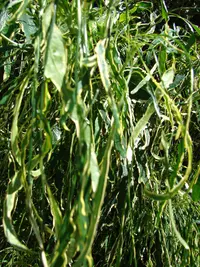
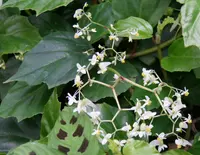
Climbing sorrel (Begonia glabra) is a fast-growing, vining begonia valued for its delicate leaves and ability to quickly cover supports. It typically climbs or trails, forming thin, flexible stems that can be trained on trellises, moss poles, or hanging baskets.

In the wild, it occurs in warm, humid forests of Central and South America, often using trees for support. The plant prefers bright, filtered light, consistent moisture, and an airy, well-drained substrate.

Its rapid growth and tolerance of pruning make it relatively easy for intermediate growers, but it dislikes drought, waterlogging, and cold drafts. Understanding how to care for climbing sorrel helps keep its foliage dense and healthy indoors.

Main Plant Requirements

Care Difficulty

Moderate Care

Light Preference

Bright Indirect Light

Water Requirements

Keep Soil Moist

Temperature Preference

Tropical / Frost Sensitive

Hardiness Zone

10–11

Soil Texture

Loamy, Peaty, Organic-rich

Soil pH

Acidic (5.5–6.5), Slightly acidic (6.5–7.0)

Soil Drainage

Moist but well-drained

Fertilization

Light (every 4–6 weeks)

Get Personalized Care Plan

Scan your plant to receive care tips personalized for your specific plant

Available on iOS and Android

How to Care for the climbing sorrel

Begonia glabra prefers bright, indirect light similar to a shaded forest edge.

  • Provide 4–6 hours of filtered or dappled light daily, such as under taller plants or shade cloth that softens direct rays.
  • Tolerates partial shade, but if stems stretch or leaves lose color, move it gradually to a slightly brighter location.
  • Avoid harsh midday and afternoon sun, which can scorch climbing sorrel leaves; gentle morning sun is acceptable in cooler seasons.

Begonia glabra prefers evenly moist but never waterlogged soil.

  • Water when the top 2–3 cm of soil feels dry, using enough water so it drains freely from the root zone rather than pooling.
  • Reduce frequency in cooler months, allowing the top layer to dry a bit more while avoiding complete drying of the root area.
  • Watch for limp, curling leaves as a sign of underwatering, and yellowing or mushy stems as possible overwatering and poor drainage.

This species thrives in consistently warm, frost-free conditions.

  • Ideal growth occurs at 65–80°F (18–27°C), with stable temperatures supporting steady leaf and stem development.
  • Avoid letting temperatures drop below 55°F (13°C), as cold stress can cause leaf drop and damage tender stems.
  • Protect from frost and from hot, dry air above 86°F (30°C) by providing shade, increased humidity, and good air movement during heat waves.

This species prefers moderately high humidity to keep foliage and stems healthy.

  • Aim for 50–70% humidity; it tolerates brief dips lower but dries and crisps at prolonged 30–40%.
  • Brown, crispy leaf edges, stalled growth, and leaf drop indicate chronic low humidity stress in climbing sorrel.
  • Increase humidity with a nearby humidifier, grouped plants, or a pebble tray, but keep leaves dry to limit fungal issues.

Begonia glabra grows best in a loose, airy, organic-rich growing medium that drains quickly.

  • Use a mix of roughly 40% peat or coco coir, 40% fine bark, and 20% perlite or pumice to balance moisture and aeration.
  • Ensure water drains from the pot within seconds; the mix should stay lightly moist but never heavy, compacted, or waterlogged.
  • Aim for slightly acidic to neutral pH, around 6.0–7.0, which supports nutrient uptake and root health.
  • Avoid dense garden soil or pure compost, which restrict root oxygen and increase risk of rot for Begonia glabra.

This species is very suitable for container growing due to its vining, shallow-rooted habit.

  • Choose a wide, shallow pot to give horizontal root space and allow stems to trail or climb supports without tipping the container.
  • Select a heavier material such as ceramic or stone if training stems upward so the container remains stable as vines elongate.
  • Raise the pot slightly on feet or a stand so drainage holes clear the surface and excess water can exit quickly after each watering.

Begonia glabra benefits from light, consistent feeding during active growth but is sensitive to excess fertilizer.

  • Use a balanced liquid fertilizer (for example 10-10-10 or 20-20-20) diluted to 1/4–1/2 strength for climbing sorrel in spring and summer.
  • Apply every 3–4 weeks during the growing season on moist soil to reduce root burn risk.
  • Skip or reduce feeding to 1 light application every 6–8 weeks in fall and winter when growth slows.
  • Organic options like dilute compost tea can replace synthetic feeds but must also be kept weak and infrequent.

Pruning supports a neat, vigorous Begonia glabra and encourages fuller, branching growth.

  • Best time is late winter to early spring, before strong new growth starts.
  • Remove dead, yellowing, or damaged stems and any tangled or overcrowded vines with clean, sharp scissors.
  • Tip back overly long shoots just above a node to promote branching and a denser habit.
  • Disinfect tools before and after use to limit spread of fungal or bacterial diseases.

This species prefers modest containers and light repotting rather than frequent disturbance of its roots.

  • Check for roots circling the pot, pushing through drainage holes, or noticeably slow growth as signs it needs more space.
  • Plan to repot every 2–3 years in spring, stepping up only 2–5 cm in pot diameter with a well-drained, organic-rich mix.
  • Water lightly the day before, then gently loosen the root ball and tease apart circling roots without tearing large sections.
  • After repotting, firm the mix gently, water thoroughly once, then keep in bright, indirect light and slightly drier soil for 7–10 days to reduce stress.

Begonia glabra is commonly propagated from stem cuttings, which root reliably in warm, humid conditions.

  • Take 7–10 cm non-flowering stem cuttings in late spring or early summer, each with 2–3 nodes.
  • Remove lower leaves, optionally dip the cut end in rooting hormone, and insert into moist, well-drained mix or perlite.
  • Maintain 70–75°F, high humidity, and bright, indirect light; use a clear cover or propagator for stable moisture.
  • Vent covers daily to prevent rot, and pot on into a richer mix once roots are 2–3 cm long and new growth appears.

This tropical species is frost tender and needs protection in regions with cold winters.

  • Move container plants indoors before temperatures drop below 50°F, providing bright, indirect light and stable conditions.
  • Keep soil slightly drier in winter, allowing the top layer to dry before watering again to limit root problems.
  • Avoid cold drafts, sudden temperature swings, and direct contact with cold window glass around the foliage.

Care Tips

Provide climbing support

Install a rough-textured trellis, moss pole, or horizontal wires near the pot and gently tie new shoots with soft ties so the plant can attach and form a dense, stable curtain of foliage over time.

Encourage fuller growth

Pinch or trim overly long, bare vines just above a node during active growth to stimulate branching and create a thicker, more compact display instead of a few sparse runners.

Manage aerial roots

Guide aerial roots toward a damp moss pole or support rather than the wall, which helps the plant anchor securely and reduces staining or damage to indoor surfaces.

Strategic repot timing

Repot only when roots visibly circle the pot base or push out of drainage holes, then move up just 2–3 cm in pot diameter to avoid excess wet substrate that can stress thin, vining roots.

Prevent mite issues

In warm, dry indoor air, routinely inspect leaf undersides and lightly rinse the foliage with lukewarm water every few weeks to discourage spider mites, a common pest on delicate vine begonias when growing climbing sorrel in homes.

Common Pests and Diseases

Powdery mildew

This disease causes a white, powdery coating on leaves, stems, and petioles, often starting on older foliage in humid, low-airflow conditions. Symptoms include distorted new growth and gradual yellowing and drop of affected leaves.

Solution

Remove heavily infected leaves, improve air circulation around vines, and avoid wetting foliage when watering. Apply a sulfur or potassium bicarbonate fungicide labeled for ornamentals, and keep humidity moderate rather than constantly high for more reliable Begonia glabra care.

Botrytis blight

This disease produces soft, water-soaked spots that develop fuzzy gray mold on leaves, stems, and flowers, especially in cool, damp conditions. Symptoms include rapid collapse of tender growth and spotting where leaves touch wet surfaces.

Solution

Cut off all affected tissue and dispose of it, then increase airflow and reduce crowding around the plant. Keep leaves dry, avoid overhead watering, and if conditions stay cool and humid, use a botrytis-targeted fungicide according to label directions.

Spider mites

These pests cause fine speckling, dulling, and bronzing of leaves, and may leave delicate webbing along the undersides and between leaf nodes. This pest thrives in warm, dry indoor air and can quickly weaken thin climbing stems.

Solution

Rinse vines thoroughly under a gentle shower or spray, focusing on leaf undersides, then repeat every few days to disrupt the life cycle. For stronger infestations, use insecticidal soap or a horticultural oil labeled for mites, applied carefully to all leaf surfaces while maintaining slightly higher humidity and regular monitoring.

Mealybugs

These insects appear as white, cottony clusters in leaf axils, on stems, and around nodes, often causing sticky honeydew and sooty mold. This pest weakens the plant, leading to stunted growth and yellowing leaves on long, trailing stems.

Solution

Dab visible insects with cotton swabs dipped in 70% isopropyl alcohol, then gently rinse the plant after treatment. For larger populations, use repeated applications of insecticidal soap or horticultural oil, isolate the plant from others, and inspect all nodes and undersides of leaves regularly.

Bacterial leaf spot

This disease causes small, translucent, water-soaked spots on leaves that may turn brown, angular, and sometimes surrounded by a yellow halo. Symptoms include rapid spread across crowded foliage, especially when leaves stay wet for long periods.

Solution

Immediately remove and discard infected leaves, avoid splashing water onto foliage, and water at the base so leaves dry quickly. Improve air movement, reduce overhead misting, and, if problems persist, use a copper-based bactericide suitable for ornamentals, applied strictly according to label directions to limit further spread.

Interesting Facts

Natural rock climber

This species produces long, wiry stems with specialized anchoring roots and adhesive hairs that allow it to climb rock faces and tree trunks in its native tropical habitats, rather than remaining a ground-dwelling begonia.

Variable leaf shapes

Leaves on the same plant can vary noticeably in size and outline depending on light and moisture, which makes identification in the wild more challenging than for many other begonias.

Wide Neotropical range

This species occurs across a broad swath of lowland and lower montane forests in Central and northern South America, showing strong adaptation to warm, humid, shaded environments.

Botan icon

Did you know?

In some parts of its native range, this species is one of the few begonia vines that naturally forms dense, curtain-like mats on vertical rock walls, creating unique microhabitats that help retain moisture and shelter small invertebrates and epiphytic seedlings.

FAQs about climbing sorrel

Brown leaf edges usually result from low humidity, underwatering, or a buildup of fertilizer salts. Check soil moisture, flush the pot occasionally, and increase humidity. Avoid direct hot drafts and sudden temperature swings to prevent further damage.

Grow Healthy Plants with Botan Care

Keep your plants happy and healthy with plant identification, disease detection, and easy care guidance.

Botan plant care app — identify plants on mobile

Explore More Plants