Install Low Trellis
Provide a low, sturdy trellis or wire mesh 30–60 cm high so stems can scramble naturally, which keeps growth off the ground, reduces rot on wet soil, and makes monitoring for pests much easier.

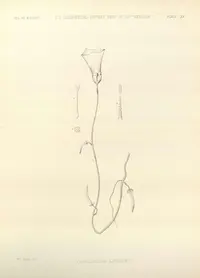
Paiute false bindweed (Calystegia longipes) is a perennial vine native to arid regions of the western United States, especially desert and semi-desert habitats. It typically scrambles over rocks or low shrubs, forming slender, twining stems.
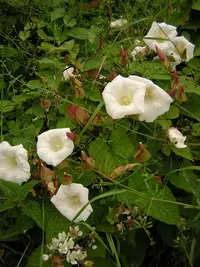
The plant carries narrow leaves and showy, funnel-shaped white to pale pink flowers that open in daylight and attract pollinators. Its drought tolerance and preference for well-drained, often sandy or gravelly soils reflect its desert origin.
For gardeners, it is moderately easy to manage if its spreading habit is controlled and the site provides full sun and dry to moderately moist soil. Understanding how to care for Paiute false bindweed starts with respecting its naturally vigorous, sun-loving, and drought-adapted character.

Care Difficulty
Easy Care

Light Preference
Full Sun

Water Requirements
Moderate Water

Temperature Preference
Cold Hardy

Hardiness Zone
5–9

Soil Texture
Sandy, Loamy, Rocky

Soil pH
Slightly acidic (6.5–7.0), Neutral (7.0)

Soil Drainage
Well-drained

Fertilization
Minimal (feed rarely)
Scan your plant to receive care tips personalized for your specific plant
Available on iOS and Android
This sun-loving vine needs strong light to flower well in most outdoor sites.
This species prefers drying between deep waterings rather than constant moisture.
This plant is adapted to temperate, often arid climates with cool winters and warm summers.
This species is adapted to dry, open habitats and does not have special humidity needs.
Calystegia longipes prefers lean, well-drained, sandy or gravelly soil that mimics its native dry habitats.
This species can be grown in containers if the pot is set up to accommodate its twining, spreading habit and dry-soil preference.
Calystegia longipes is a tough native vine that usually needs minimal feeding in garden soil.
Pruning Calystegia longipes helps manage its spreading habit and maintain flowering vigor.
This vine is usually grown in the ground, so focus on careful transplanting rather than frequent repotting.
Calystegia longipes is commonly propagated by seed and by division of established clumps.
This species is generally cold hardy in its native range and needs little dedicated winter care.

Plant Health Check
Not sure what's wrong with your plant? Check your plant's health inside the app.
This species is narrowly native to the Mojave Desert region of California and Nevada, where it grows on arid slopes, desert scrub, and open rocky ground rather than the moist habitats favored by many other bindweeds.
Unlike many relatives that form long twining stems, it typically stays compact and low, often forming short, scrambling shoots that hug the ground to avoid intense desert winds and exposure.
The species name longipes refers to its relatively long flower stalks and elongated outer floral parts (sepals), which give the pale funnel-shaped flowers a more extended, stalked appearance compared with many congeners.
This species performs best outdoors in sunny, dry, open sites that mimic its native desert and scrub habitats. Paiute false bindweed indoor care is challenging long term because typical indoor light and airflow are usually insufficient for strong, compact growth.
Keep your plants happy and healthy with plant identification, disease detection, and easy care guidance.